Top 5 Benefits of Using Rectangular Duct Elbows for Efficient HVAC Systems
When it comes to designing efficient HVAC systems, the choice of duct fittings plays a crucial role in enhancing airflow and overall system performance. Among various components, the Rectangular Duct Elbow stands out as a vital element that significantly improves the functionality of heating, ventilation, and air conditioning systems. By gracefully changing the direction of airflow, these elbows not only facilitate smoother transitions but also contribute to the optimal distribution of air throughout a space.
One of the primary benefits of utilizing Rectangular Duct Elbows is their ability to minimize pressure loss, which can often be a challenge in ductwork design. This reduction in resistance leads to improved energy efficiency and cost savings over time. In addition, their design allows for better space management, an important consideration in both residential and commercial settings. Moreover, these elbows can be tailored to suit specific design requirements, making them versatile solutions for a variety of HVAC applications.
In the following sections, we will delve deeper into the top five benefits of using Rectangular Duct Elbows, highlighting how they contribute to the overall efficacy of HVAC systems. From improving airflow dynamics to enhancing energy efficiency, these components are fundamental to mastering the art of efficient climate control.
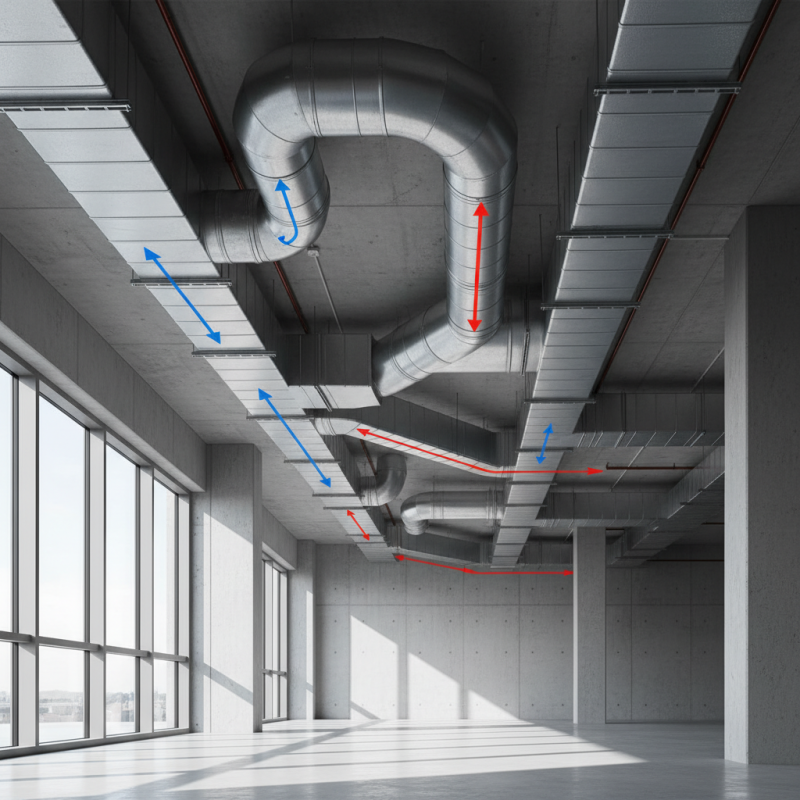
Benefits of Rectangular Duct Elbows in HVAC Systems
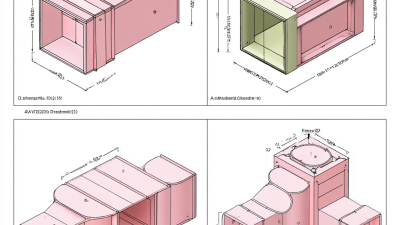
Rectangular duct elbows
play a crucial role in enhancing the efficiency of HVAC systems. One of the main advantages is their ability to maintain smooth airflow while changing directions. This smooth transition minimizes turbulence, leading to reduced pressure drops and improved energy efficiency. By utilizing rectangular duct elbows, HVAC systems can deliver conditioned air more effectively, ensuring consistent temperature control throughout a space.
When installing
rectangular duct elbows, it's essential to consider the angle of the turns.
Gentle curves promote better airflow compared to sharp angles, which can create unnecessary resistance. Additionally, proper sealing at the joints is vital to prevent air leaks that can compromise system performance.
Tips for optimizing your HVAC system with rectangular duct elbows include regularly inspecting and maintaining the ductwork to eliminate obstructions and leaks. Also, consider conducting airflow analysis to ensure that the elbows enhance rather than hinder system efficiency. By focusing on these details, you can maximize the benefits of using rectangular duct elbows in your
HVAC systems, leading to better comfort and lower energy costs.
Understanding HVAC System Efficiency and Airflow Dynamics
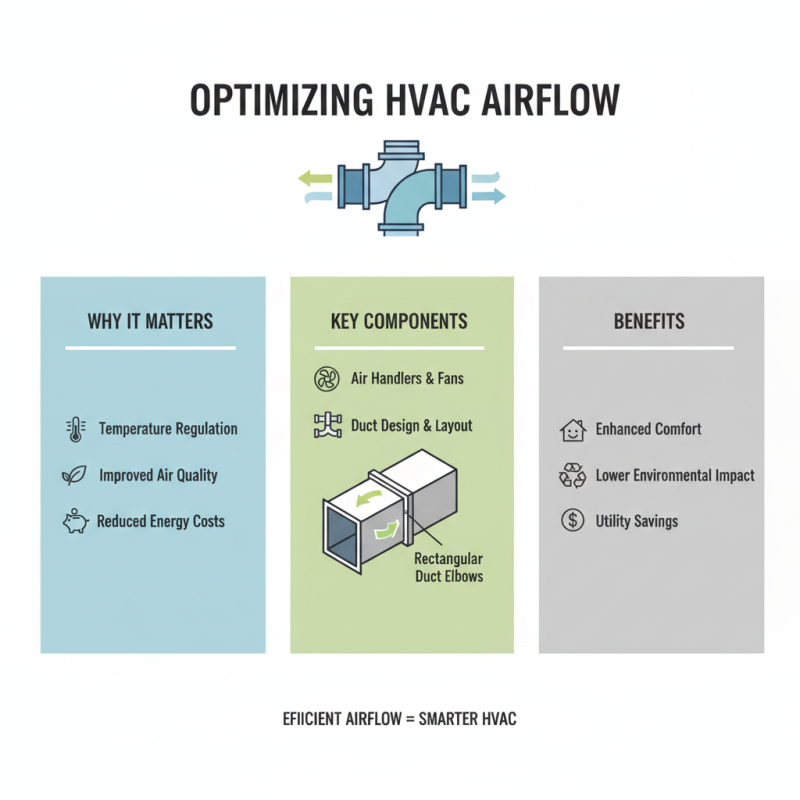
In the realm of HVAC systems, understanding airflow dynamics is critical to optimizing efficiency and ensuring comfort within a space. Airflow, which is the movement of air through ducts, plays a vital role in regulating temperature and maintaining indoor air quality. Efficient airflow reduces the energy consumption of heating and cooling systems, leading to lower utility costs and a minimized environmental impact. Proper duct design, including the use of rectangular duct elbows, is essential for creating a streamlined path for air movement, enhancing overall system performance.
Rectangular duct elbows facilitate smooth transitions between sections of ductwork, mitigating turbulence that can impair airflow. By reducing sharp bends and abrupt changes in direction, these elbows ensure that air travels more efficiently throughout the system. This design not only enhances the speed at which air reaches various rooms but also helps maintain consistent temperature levels. Improved airflow dynamics can result in a better distribution of conditioned air, ultimately contributing to a more comfortable indoor environment while supporting the HVAC system's longevity.
The Role of Rectangular Duct Elbows in Reducing Energy Loss
Rectangular duct elbows play a crucial role in enhancing the efficiency of HVAC systems by effectively reducing energy loss. According to the American Society of Heating, Refrigerating and Air-Conditioning Engineers (ASHRAE), improperly designed ductwork accounts for approximately 15% of energy losses in HVAC systems. By incorporating rectangular duct elbows, which are specifically designed to minimize airflow resistance, HVAC professionals can significantly improve system efficiency. The use of these fittings allows for smoother transitions in airflow, reducing turbulence and pressure drops that commonly lead to increased energy consumption.
To optimize the performance of your HVAC system, consider these tips: First, ensure that rectangular duct elbows are sized appropriately for your system. According to the Energy and Environmental Analysis report, correctly sized ductwork can lead to energy savings of up to 20%. Additionally, maintain a consistent airflow direction; this minimizes resistance and maximizes efficiency. Regular inspections and maintenance of duct systems, including elbows, can further reduce the likelihood of energy loss, as buildup and obstructions may negatively impact airflow.
Utilizing rectangular duct elbows also contributes to improved indoor air quality. The smooth transitions they provide help in minimizing dust and pollutant accumulation within ductwork. Reports show that effective duct design can enhance airflow quality, leading to a healthier environment. Implementing these fittings not only focuses on energy efficiency but also promotes a sustainable approach to HVAC system design, ultimately benefiting both the user and the environment.
Top 5 Benefits of Using Rectangular Duct Elbows for Efficient HVAC Systems
| Benefit |
Description |
Impact on Energy Efficiency |
| Improved Airflow |
Rectangular duct elbows are designed to create smooth transitions, reducing turbulence and allowing for better airflow. |
Enhances system performance and reduces energy consumption. |
| Reduced Noise |
The design of rectangular elbows can minimize noise caused by air movement compared to traditional ducting. |
Leads to a quieter operating environment, which can enhance comfort in HVAC applications. |
| Space Efficiency |
Rectangular ducts take up less space in tight installations compared to round ducts. |
Allows for more efficient use of building space, potentially lowering construction costs. |
| Energy Savings |
By reducing friction and pressure loss, rectangular duct elbows can lower energy use in heating and cooling. |
Contributes to overall energy efficiency in HVAC systems. |
| Versatile Design |
Rectangular duct elbows can be easily configured to fit various system layouts. |
Increases design flexibility, leading to more optimized HVAC systems. |
Enhancing Space Utilization with Rectangular Duct Elbows
Rectangular duct elbows are essential components in HVAC systems, providing significant advantages in space utilization. The design allows for flexible routing of air distribution, which is crucial in commercial buildings where maximizing usable space is a priority. According to the American Society of Heating, Refrigerating and Air-Conditioning Engineers (ASHRAE), implementing efficiently designed ductwork can improve airflow by up to 30%, optimizing energy use. Rectangular elbows help in minimizing wasted space while maintaining the required airflow patterns, thus enhancing the overall efficiency of the system.
Moreover, the use of rectangular duct elbows can lead to more streamlined installations. Unlike traditional round ducts, rectangular options can be fitted into tighter spaces, allowing for intricate configurations. This is particularly valuable in retrofitting older buildings, where space constraints often pose significant challenges. A report by the National Institute of Standards and Technology (NIST) highlighted that smart duct designs could reduce installation time by up to 20%, illustrating the effectiveness of these components in enhancing operational efficiency.
Tips: When selecting rectangular duct elbows, ensure they comply with local building codes to prevent potential airflow issues. Additionally, consider using elbows with larger radii, as they reduce turbulence and improve air circulation within the duct system. Lastly, regular maintenance checks can help prevent blockages, ensuring that your HVAC system operates at peak efficiency.
Comparative Analysis: Rectangular vs. Round Duct Elbows in HVAC
When considering ductwork for HVAC systems, the choice between rectangular and round duct elbows is crucial for achieving optimal airflow efficiency. Rectangular duct elbows offer certain advantages due to their design. They can seamlessly fit into tight spaces and allow for better airflow management in buildings where every inch counts. Additionally, rectangular elbows can be more beneficial in systems that require multiple turns, as they reduce turbulence and maintain the airflow speed better than round counterparts in such configurations.
Tips for selecting the right duct elbows: consider the layout of your HVAC system to determine whether rectangular or round elbows will provide better airflow efficiency. Take into account the specific needs of your space; for example, in areas where high air volume is necessary, rectangular elbows may perform better. Furthermore, always ensure proper insulation around duct elbows to minimize energy loss and maintain efficiency.
On the other hand, round duct elbows facilitate smoother airflow in many situations and are less prone to restrictions. They can be easier to install and may result in lower material cost due to their simpler design. Analyzing the unique requirements of your HVAC system and the characteristics of your building will help you make an informed choice between rectangular and round duct elbows, ensuring efficient operation and comfort.