What Are the Benefits of Using Stainless Steel Elbow Fittings?
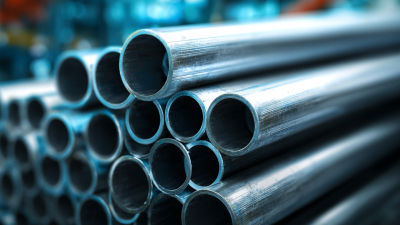
Stainless Steel Elbow fittings have become essential in various industries, including plumbing and manufacturing. Their durability and resistance to corrosion make them a preferred choice. According to a report by the International Stainless Steel Forum, stainless steel consumption is projected to grow by 3.5% annually over the next five years. This growth highlights the increasing reliance on stainless steel materials, particularly elbow fittings.
Industry expert Dr. Emily Chen states, "Stainless Steel Elbow fittings are critical for ensuring the long-term performance of piping systems." Her insight underscores the necessity of using quality materials. However, many users still overlook the importance of selecting the right type of elbow fitting for specific applications.
Different sectors must consider the specific demands placed on these fittings. Factors such as pressure, temperature, and fluid type can greatly impact their performance. As industries continue to evolve, understanding these elements will be crucial for maximizing the benefits of Stainless Steel Elbow fittings. The choices made today will influence operational efficiency tomorrow.
Benefits of Stainless Steel Elbow Fittings in Plumbing Applications
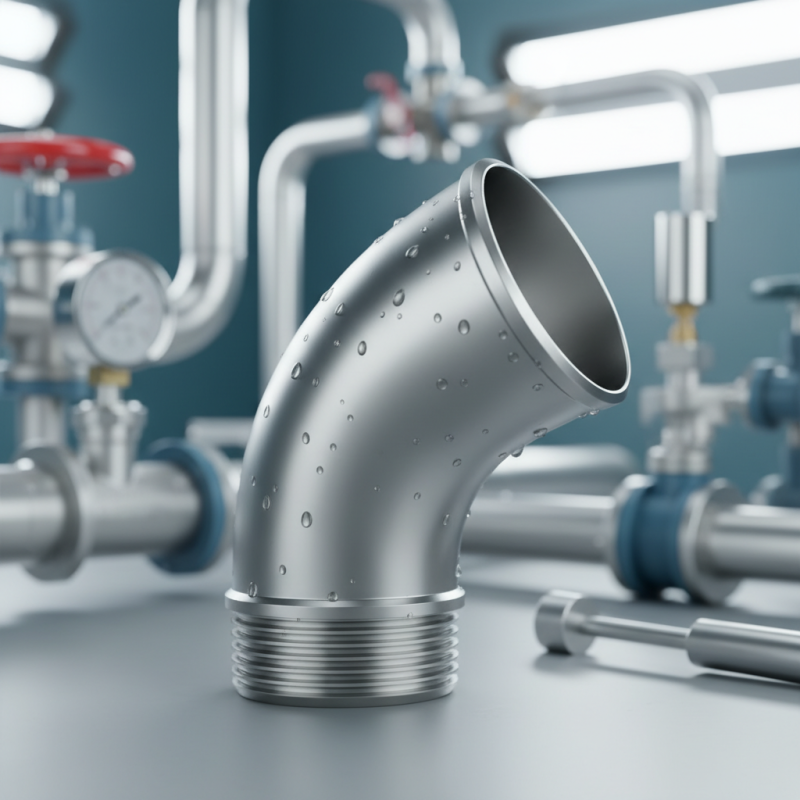
Stainless steel elbow fittings are crucial in plumbing applications. They provide durability and resistance to corrosion, making them ideal for various environments. According to a report by the International Stainless Steel Forum, stainless steel pipes can last over 50 years with minimal maintenance. This longevity is especially important in plumbing, where replacements can be disruptive and costly.
In addition to durability, these fittings maintain structural integrity under high pressure. With the ability to withstand temperatures up to 1,200°F, they are suitable for both hot and cold water systems. Studies show that stainless steel components can reduce system failures, as they resist scaling and fouling. However, the initial cost can be higher than other materials, which may be a concern for budget-conscious projects.
A common issue is the installation process. While adaptable, some plumbers might struggle with precise fitting, leading to leaks. This can diminish the benefits, causing frustration. Choosing the right size and angle is essential. Despite these challenges, the overall resilience and performance of stainless steel elbow fittings make them a preferred choice in modern plumbing.
Corrosion Resistance: Why Stainless Steel Stands Out in Harsh Environments
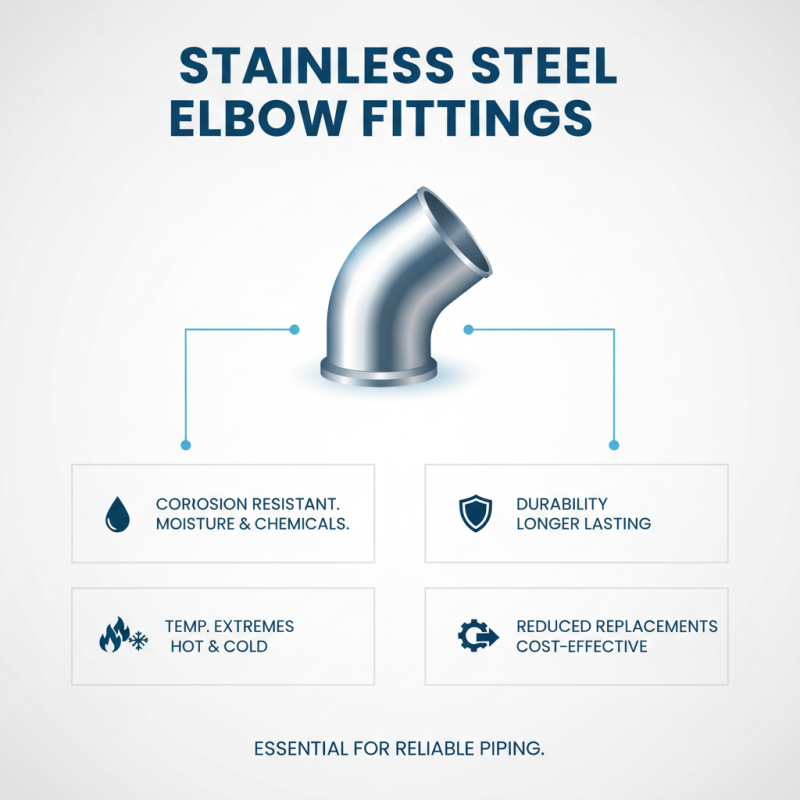
Stainless steel elbow fittings are essential in various piping applications. Their corrosion resistance is a standout feature. In harsh environments, metal corrosion is a major concern. Stainless steel can handle moisture, chemicals, and extreme temperatures. This durability ensures longer-lasting systems, reducing the need for frequent replacements.
Using stainless steel also means lower maintenance costs over time. Regular inspections may still be needed, but the resilience is significant. Tip: Always check for signs of corrosion, even in stainless steel. Regular maintenance can prolong the lifespan of your fittings.
Another advantage is the aesthetic appeal of stainless steel. Its sleek, shiny finish enhances the visual aspect of installations. However, it’s worth reflecting on how this choice impacts your overall project budget. Tip: Balance between initial costs and long-term savings. Stainless steel may cost more upfront, but its lifespan can justify the investment. Make informed choices for effective results.
Durability and Longevity: The Economic Advantage of Stainless Steel Fittings
Stainless steel elbow fittings are known for their impressive durability. These fittings resist corrosion and wear, making them ideal for various environments. When installed, they can last for years without significant maintenance. This longevity translates into fewer replacements, saving time and costs in the long run.
Using stainless steel also means less worry about leaks or failures. Once in place, these fittings provide a secure and stable connection. However, they can be more expensive upfront. Businesses might hesitate to invest initially. Yet, the overall savings from fewer replacements often outweigh this initial cost.
Choosing the right elbow fittings is crucial. Not every project needs stainless steel; other materials might suffice. Evaluate the specific needs carefully. Consider factors like the environment and pressure. Making the wrong choice here can lead to complications and unexpected expenses. Understanding these details can lead to a wiser investment in the long run.
Ease of Installation: How Stainless Steel Elbows Simplify Pipe Connections
Stainless steel elbow fittings offer significant advantages for pipe connections. One major benefit is their ease of installation. When connecting pipes, the smooth curves of stainless steel elbows create a seamless transition. This design reduces the need for additional fittings or complicated joints.
Installation is simplified due to the precise angles of these elbows. They allow for easy alignment of pipes, which can be crucial in tight spaces. Imagine trying to fit pipes in a small area; these elbows make it much easier. However, one must ensure proper torque when securing fittings. Over-tightening can lead to leaks, which is a common misstep.
Stainless steel elbows are lightweight yet durable. Their resistance to corrosion means they last longer in various environments. Still, one should always inspect them before use. Look for any signs of wear or damage. Even the best materials can have flaws, and these could compromise the system. Regular checks can prevent costly repairs down the line.
Versatility of Use: Applications of Stainless Steel Elbow Fittings in Various Industries
Stainless steel elbow fittings are essential in many industries. Their versatility allows for diverse applications, making them a preferred choice in construction, food processing, and chemical manufacturing. According to a recent industry report, the global stainless steel fittings market is expected to grow by 5.3% annually. This growth highlights their importance and widespread use.
In the construction sector, these fittings enable seamless pipe connections, which is crucial for efficient plumbing systems. They resist corrosion, ensuring longevity. In food processing, stainless steel prevents contamination. This keeps food safe and maintains quality. Many factories now rely on stainless steel elbow fittings to meet strict hygiene standards.
Tips: Always check for quality certifications when sourcing fittings. Reliable suppliers offer better durability and performance.
Despite their advantages, the cost can be a barrier. Some companies opt for cheaper options, leading to frequent replacements. This can increase long-term expenses significantly. It’s essential to weigh the initial costs against potential savings in maintenance and replacement.
What Are the Benefits of Using Stainless Steel Elbow Fittings? - Versatility of Use: Applications of Stainless Steel Elbow Fittings in Various Industries
| Industry |
Application |
Benefits |
| Food and Beverage |
Piping systems for fluid transfer |
Corrosion resistance and hygiene |
| Chemical Processing |
Transport of corrosive fluids |
Durability and resistance to harsh chemicals |
| Construction |
Framework and piping systems |
Strength and structural integrity |
| Automotive |
Exhaust systems |
High-temperature resistance |
| Marine |
Pipeline systems on ships |
Resistance to saltwater corrosion |