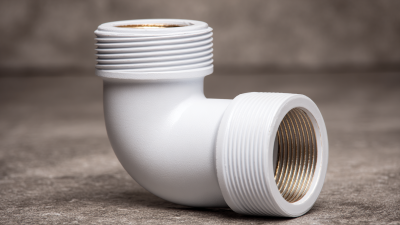
Top 10 Best Stainless Steel Elbows for Your Plumbing Needs?
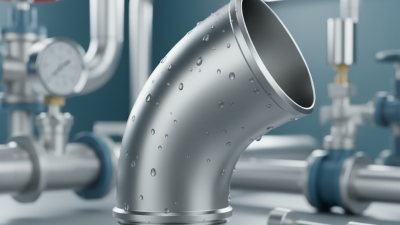
In plumbing, the choice of piping materials significantly influences the system's longevity and efficiency. Stainless Steel Elbow fittings are essential components that ensure smooth transitions in piping systems. According to the International Stainless Steel Forum, the use of stainless steel in plumbing can reduce maintenance costs by up to 30%. However, not all elbows are created equal, and poorly made fittings can lead to leaks and failures.
Selecting the right Stainless Steel Elbow requires careful consideration of material grade and design. The American Society of Mechanical Engineers recommends using elbows that conform to industry standards for durability and performance. Yet, many options on the market lack quality assurance. Reportedly, up to 40% of elbows fail inspection due to inadequate manufacturing processes.
Investing in reliable Stainless Steel Elbows can prevent costly repairs in the long run. Plumbing issues often arise from neglecting quality during installation. Homeowners and contractors alike must prioritize choosing high-quality components. In doing so, they ensure a more robust plumbing system.

Top Materials Used in Stainless Steel Elbows for Plumbing Applications
When selecting stainless steel elbows for plumbing needs, the material plays a crucial role. Stainless steel is favored due to its excellent resistance to corrosion and high durability. There are various grades available, and each is tailored for specific applications. For instance, 304 stainless steel is common in residential use. It balances cost and strength well. However, in industrial settings, 316 stainless steel is often preferred for its superior corrosion resistance.
Another material to consider is forged stainless steel. It adds strength, especially in high-pressure environments. Forged fittings are generally more reliable, but they come at a higher cost. Consider your specific needs before choosing. Moreover, keep in mind that not all stainless steel is created equal. Some grades may not perform well under certain conditions, such as extreme temperatures or highly acidic environments. It's essential to evaluate the environment where the elbow will be used.
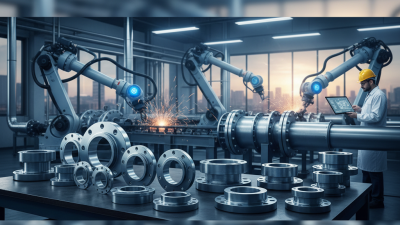
Welding joints in stainless steel elbows can be another challenge. A poor weld may result in leaks or weak points. Proper techniques and equipment are vital for securing a durable joint. Sometimes, achieving a perfect weld can feel elusive. A small error could lead to significant issues down the line. Assess your skills and ensure you have the right tools for the job. Balancing quality and cost is critical for successful plumbing projects.
Key Considerations When Choosing Stainless Steel Elbows for Durability
When selecting stainless steel elbows for plumbing, durability is key. These fittings must withstand high pressure and resist corrosion. The material you choose can greatly affect the longevity of your plumbing system.
Consider the grade of stainless steel. Different grades offer varying levels of resistance to rust and chemicals. Higher-grade materials often last longer and perform better under adverse conditions. Look for features like a smooth interior surface. This aids in preventing blockages and turbulence in water flow.
Tips for choosing the right fits: Always check for certifications. They indicate quality. A warranty can provide peace of mind. Measure correctly before purchasing. This avoids returns and frustrations. Keep in mind that thicker walls enhance durability but may cost more. Reflect on your plumbing environment. Harsh elements may require stronger materials.
Comparative Analysis of Different Types of Stainless Steel Grades in Plumbing
When choosing stainless steel elbows for plumbing, understanding different grades is crucial.
Stainless steel grades vary in corrosion resistance,
strength, and weldability. The most common grades for plumbing applications are
304 and 316.
Grade 304 is resistant to rust but is less durable in harsh environments.
In contrast, grade 316 offers superior corrosion resistance, particularly in saline conditions.
This grade is often recommended for coastal regions, where humidity and salt can accelerate deterioration.
Recent data from the American Society of Mechanical Engineers shows that nearly
70% of plumbing failures stem from material selection.
Poor choices can lead to leaks and costly repairs.
For instance, using lower-grade stainless steel may save money upfront.
However, it can lead to significant long-term expenses.
Tips: Always evaluate the environment where the plumbing will be installed.
Additionally, consider the water composition; high chloride levels can corrode lower-grade stainless steel.
Finally, don’t forget to consult with industry professionals about the best materials for specific projects.
Your choices today impact durability and maintenance
in the future.
Industry Standards and Certifications for Stainless Steel Plumbing Fittings
When it comes to plumbing, choosing the right fittings is crucial. Stainless steel elbows are among the most popular choices. They offer durability and resistance to corrosion. However, not all stainless steel fittings are created equal. Understanding industry standards is essential for making informed decisions.
Certifications indicate compliance with performance and safety standards. Common certifications include ASTM and ASME, which ensure materials meet specific criteria. These standards focus on dimensions, mechanical properties, and corrosion resistance. A well-defined standard can prevent costly mistakes during installation.
When selecting stainless steel elbows, consider the grade of steel. Different grades may affect the longevity and performance of your plumbing system. Look for fittings that boast a high level of passivation for enhanced corrosion resistance. Reflect on your specific plumbing needs and requirements. Investing time to understand standards can save money in the long run.
Maintenance Tips for Enhancing Longevity of Stainless Steel Plumbing Elbows
Maintaining stainless steel plumbing elbows is crucial for their longevity. Regular cleaning helps prevent corrosion. A 2022 industry report found that uncleaned surfaces may lead to rust formation, even in stainless steel. Use mild soap and water, and avoid harsh chemicals that can damage the finish. Gritty materials can cause surface scratches, which then serve as corrosion points.
Temperature fluctuations can also affect the durability of plumbing elbows. A study showed that stainless steel's integrity can weaken when repeatedly exposed to extreme heat and cold. Insulating elbows can help mitigate this risk. Moreover, ensure that the installation is done correctly. Improper alignment can create unnecessary stress on the joints. This adds pressure, increasing wear and tear on the elbows.
Visual inspections can go a long way. Look for signs of wear or discoloration. Noticing these early can prevent bigger issues down the line. A small crack might not seem significant but can lead to leaks. Regular checks can save time and costs. Remember, careful handling during installation and maintenance is vital for enhancing the lifespan of stainless steel plumbing elbows.