What is Brass Elbow Fittings and Their Uses in Plumbing?
Brass Elbow Fittings are essential components in plumbing systems. They allow for smooth directional changes in piping. The durability of brass makes these fittings an ideal choice for various applications. According to a recent industry report, the global brass fittings market is projected to grow significantly. This growth underscores the importance of high-quality materials in plumbing.
In residential and commercial settings, Brass Elbow Fittings play a crucial role. They are not only resistant to corrosion but also hold up well under pressure. Studies indicate that using reliable fittings reduces the chances of leaks. This can save money and prevent water damage in the long run.
However, not all brass fittings are created equal. Some may not meet industry standards, leading to potential failures. It is vital to choose fittings from reputable manufacturers. The choice of high-quality Brass Elbow Fittings can impact system efficiency and longevity. Careful selection and proper installation contribute to a more robust plumbing system.
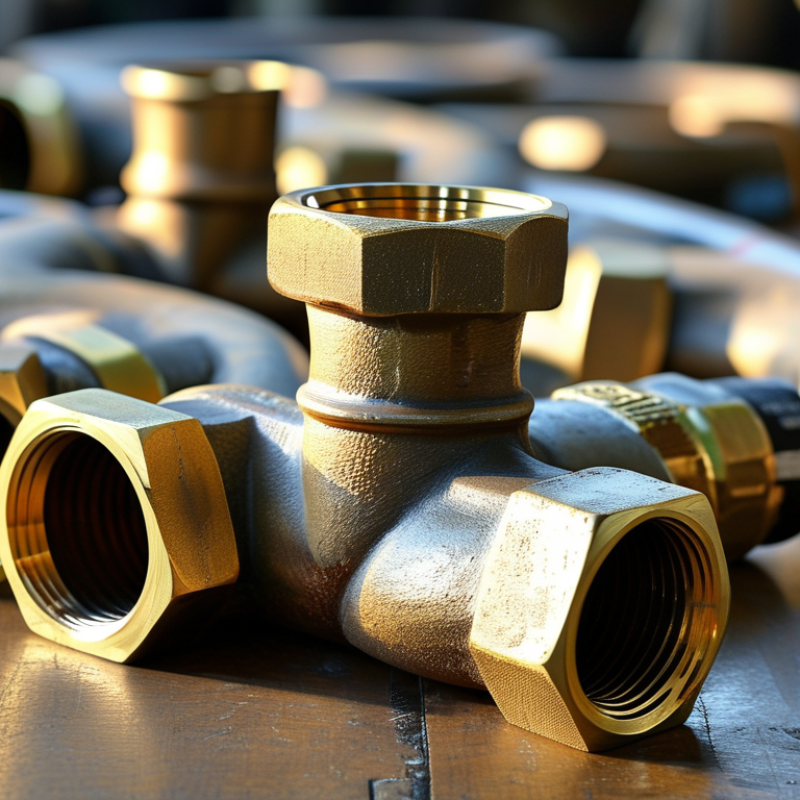
What are Brass Elbow Fittings and Their Composition in Plumbing Systems?
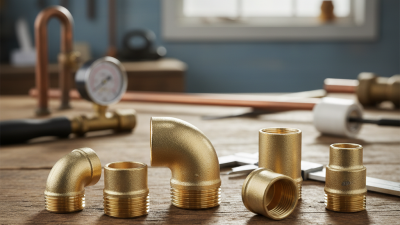
Brass elbow fittings are essential components in plumbing systems. They are used to change the direction of pipes, typically at a 90-degree angle. These fittings facilitate smooth flow and maintain pressure within the plumbing setup. Their design allows for easy connection between pipes, reducing the risk of leaks.
The composition of brass fittings is crucial. Brass is an alloy made of copper and zinc, known for its durability and resistance to corrosion. This strength ensures that brass elbow fittings withstand high-pressure environments. Additionally, this material offers good thermal conductivity. However, it's important to verify the quality of brass used. Not all brass fittings are created equal.
Installation requires care. Improper fitting can lead to issues like leaks or pressure loss. Users need to consider factors such as pipe size and fittings compatibility. Regular maintenance of these fittings is important. Corrosion or wear over time can compromise their functionality, necessitating timely inspections. Understanding these details helps ensure the longevity and reliability of plumbing systems.
What is Brass Elbow Fittings and Their Uses in Plumbing?
| Aspect |
Details |
| Material |
Copper Zinc Alloy |
| Common Sizes |
1/2", 3/4", 1" |
| Connection Type |
Male and Female Threads |
| Rust Resistance |
High |
| Main Uses |
Connecting piping at angles, redirecting flow |
| Applications |
Water supply, HVAC systems, gas lines |
| Advantages |
Durable, corrosion-resistant, reliable connections |
| Installation Method |
Threaded connections with Teflon tape |
Key Types of Brass Elbow Fittings and Their Applications in Plumbing
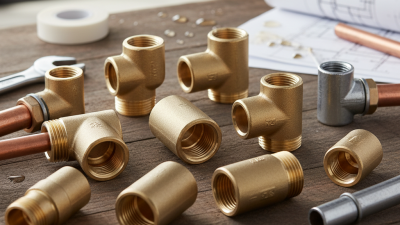
Brass elbow fittings are essential in plumbing systems. They allow pipes to change direction, which is crucial for effective water flow. Commonly used in residential and commercial settings, these fittings come in various angles. The most standard options are the 90-degree and 45-degree elbows. Each type serves different layout needs.
Applications of brass elbow fittings are diverse. They connect pipes in tight spaces where straight runs are not possible. For instance, using a 90-degree elbow can guide pipes around corners in walls or ceilings. A 45-degree elbow is often preferred for gradual turns, minimizing pressure loss.
While brass is a durable material, it can corrode over time. Regular inspections can reveal signs of wear or oxidation. Ensuring the fittings are securely installed is vital for preventing leaks. Plumbing professionals often recommend checking connections periodically. This proactive approach can save homeowners from costly repairs later.
Benefits of Using Brass Elbow Fittings Over Other Materials in Plumbing
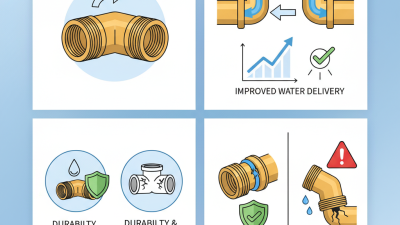
Brass elbow fittings are widely used in plumbing systems. They provide efficient connections between pipes at various angles. Their durability makes them a preferred choice among professionals. According to industry reports, brass fittings have a longevity of over 50 years, significantly reducing the need for frequent replacements.
One major benefit of brass over other materials is its resistance to corrosion. A study by the American Society of Plumbing Engineers found that brass fittings significantly outperform plastic and steel counterparts in longevity and reliability. In fact, brass can withstand extreme temperatures and pressures better than many alternatives. This reliability is crucial in maintaining the integrity of plumbing systems.
Additionally, brass offers excellent sealing capabilities. This reduces the chances of leaks, a common issue in plumbing. Leaks can lead to costly repairs and water damage. While brass may have a higher initial cost, its long-term savings and reliability make it a wiser choice. Investing in brass fittings often results in fewer service calls and repairs over time.
Installation Techniques for Brass Elbow Fittings and Common Mistakes
Brass elbow fittings are vital in plumbing systems. They enable pipes to change direction, ensuring water flows smoothly. Proper installation is crucial to avoid leaks and system failures. Industry reports indicate that over 20% of plumbing issues stem from improper fitting installations.
When installing brass elbow fittings, ensure clean, debris-free surfaces. Dirty surfaces can affect sealing. Use the right tools for tightening. Applying excessive force can damage the threads or lead to cracks. Additionally, always check for any signs of wear on the fittings before installation. Regular maintenance of these parts can prevent costly repairs later on.
Tips: Always use plumber's tape for a better seal. A little bit goes a long way. Before finalizing the installation, pressure test the system. This simple step can save you from potential mishaps. Don't overlook the importance of following manufacturer guidelines. Every detail matters in ensuring a leak-free plumbing system.
Maintenance Practices for Ensuring Longevity of Brass Elbow Fittings in Plumbing
Maintaining brass elbow fittings is essential for plumbing longevity. Proper care ensures these fittings resist corrosion and wear. Regular inspections can help identify potential issues early. Look for signs of leaks or discoloration, which might indicate corrosion. If you notice any wear, it might be time for a replacement.
Cleaning is another critical practice. Use mild soap and a soft brush to remove buildup. Avoid abrasive materials, as they can scratch the surface. If fittings are heavily tarnished, a specialized brass cleaner can restore their shine. However, be cautious with strong chemicals; they can cause more harm than good.
Proper installation also plays a role in maintenance. Ensure that fittings are not over-tightened, as this can lead to cracks. Using thread sealant can help create a better seal without excessive pressure. Remember, correcting mistakes in plumbing installation can be challenging and costly. Regular maintenance and attention to detail prevent these headaches in the future.