China Top Copper Elbow Fitting Guide for Plumbing Systems?
In the plumbing industry, the significance of using high-quality fittings is paramount. Among these, the Copper Elbow Fitting stands out for its effectiveness in facilitating smooth plumbing connections. According to a report by the International Copper Association, copper plumbing products exhibit superior durability and corrosion resistance compared to alternatives. This data underscores a fundamental insight: using reliable materials can enhance the overall longevity of plumbing systems.
Despite the advantages, sourcing the right Copper Elbow Fitting can be challenging. Variability in manufacturing standards may lead to inconsistencies. A 2022 market analysis revealed that over 30% of fittings do not meet required quality benchmarks. Such discrepancies can lead to issues like leaks and reduced efficiency. It highlights the necessity for careful selection and quality assurance.
In the pursuit of creating effective plumbing systems, understanding structural integrity is crucial. This involves not only choosing the right Copper Elbow Fitting but also recognizing the implications of poor choices. As we navigate through this guide, we will explore essential considerations and identify benchmarks for quality fittings. This journey emphasizes the importance of making informed decisions in plumbing systems.
Understanding Copper Elbow Fittings in Plumbing Systems
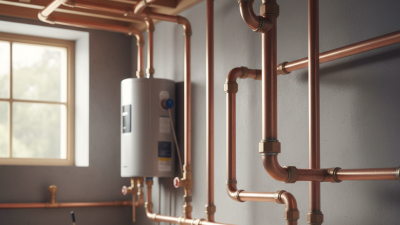
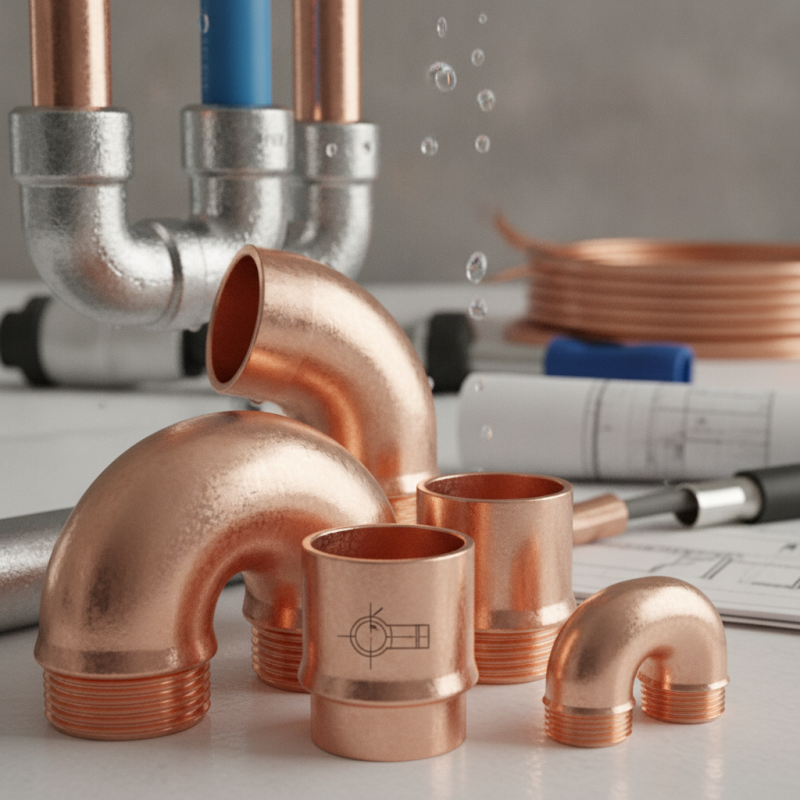
Copper elbow fittings are essential in plumbing systems. They allow pipes to change direction, making them versatile. The 90-degree elbow is common, helping with sharp turns. A 45-degree elbow can create gentler bends, reducing flow resistance.
Installation of copper elbow fittings requires precision. Properly soldering these fittings can be challenging. Misalignment during installation may lead to leaks. Use a pipe cutter for clean edges. Deburring the pipes helps ensure a tight seal.
Choosing the right fitting is crucial. Consider the size and pressure of your plumbing system. Inadequate fittings can result in costly repairs. Knowing the specifications of copper fittings is important. They must meet industry standards for safety. Pay attention to grading; not all copper is equal.
China's Copper Elbow Fittings in Plumbing Systems
This chart illustrates the percentage distribution of various copper elbow fitting sizes used in plumbing systems across China. Understanding these dimensions can help in selecting the right fittings for specific applications.
Types of Copper Elbow Fittings Available for Plumbing
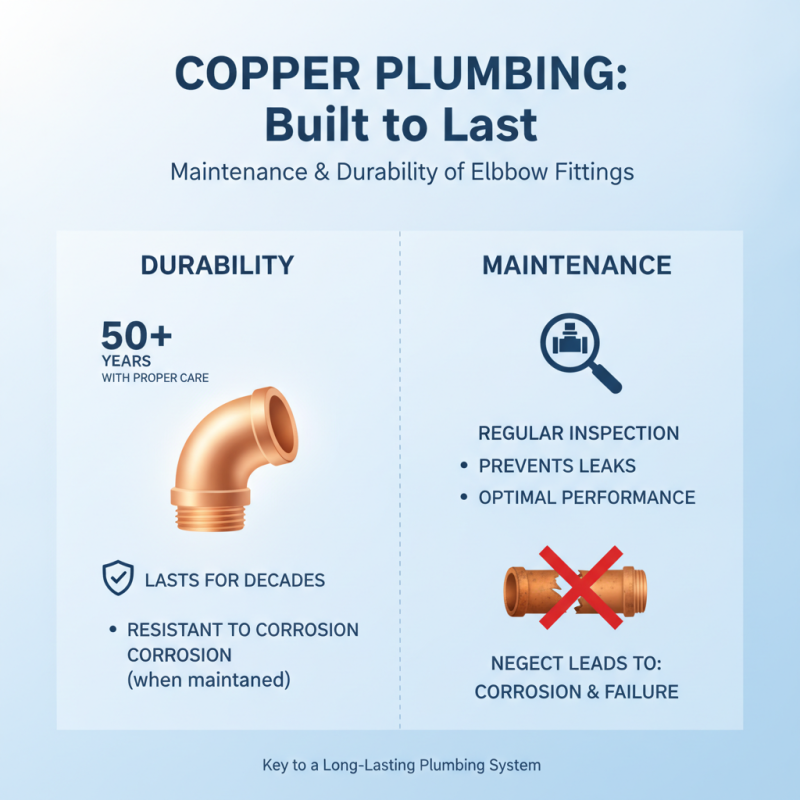
When it comes to plumbing systems, copper elbow fittings play a crucial role in maintaining the integrity of water flow. These fittings allow pipes to change direction smoothly, minimizing pressure loss. According to a report by the International Copper Association, copper’s thermal conductivity and resistance to corrosion make it highly favored for plumbing.
There are several types of copper elbow fittings available. The most common are 90-degree and 45-degree elbows. Each type serves distinct purposes. For instance, a 90-degree elbow is ideal for sharp turns, while a 45-degree elbow provides a gentler curve, reducing water turbulence. There are also soldered and press-fit options for installation, catering to various plumbing preferences.
Tips: Always ensure your elbows are compatible with your chosen pipe size. A mismatch can lead to leaks. Regularly check your installations for signs of wear or corrosion. Ignoring small issues may result in larger, costly repairs later.
In summary, understanding different types of copper elbow fittings enhances plumbing efficiency. Being informed can lead to better choices, helping you avoid future headaches. The right fitting truly makes a difference in overall system performance.
Key Factors to Consider When Choosing Copper Elbow Fittings
When selecting copper elbow fittings for plumbing systems, several key factors warrant consideration. First, the fit and finish of the elbow play a crucial role. Properly fitted elbows reduce the risk of leaks, which can lead to costly repairs. Industry reports indicate that nearly 20% of plumbing failures are due to improper fittings. This highlights the necessity for meticulous selection and installation.
Another essential aspect is the corrosion resistance of the fittings. Copper fittings must meet specific industry standards. According to the Copper Development Association, high-quality copper elbows can resist corrosion for decades when installed correctly. However, variations in copper quality exist, causing some products to deteriorate faster than others. Always check materials and certifications before purchase.
Lastly, evaluate the size of the elbow fittings. Sizing mistakes can lead to inefficient water flow. Research shows that up to 30% of plumbing inefficiencies can be traced back to incorrect fitting sizes. Conducting proper measurements and consulting with plumbing professionals can mitigate this risk. Investing time in these details enhances system performance while ensuring reliability.
Installation Tips for Copper Elbow Fittings in Plumbing Systems
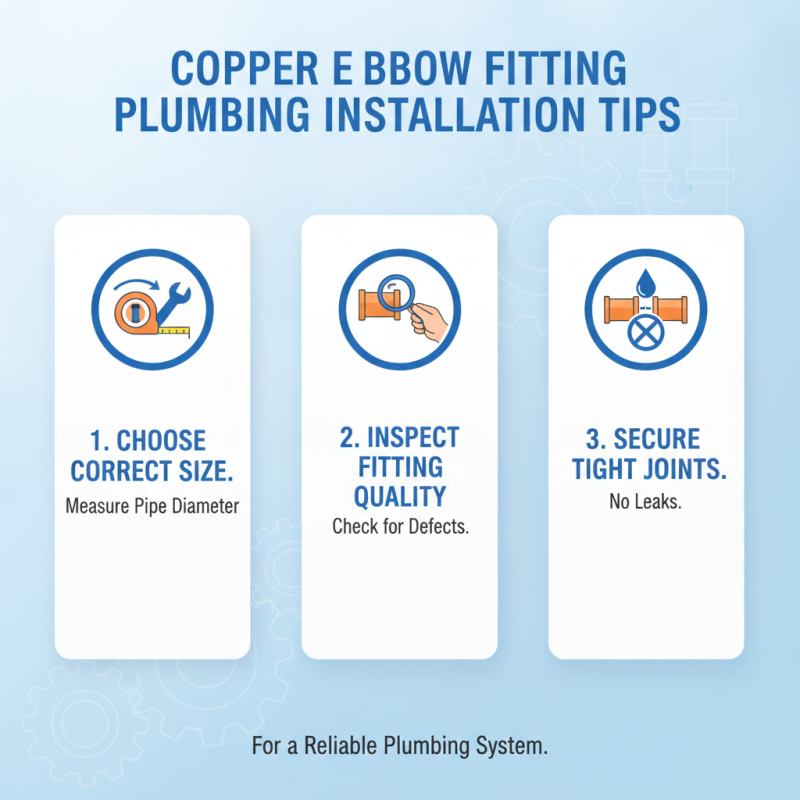
When installing copper elbow fittings in plumbing systems, it's crucial to ensure tight, leak-free joints. Start by choosing the right size of the fitting based on your pipe diameter. Measure carefully, as accurate dimensions lead to a better fit. Always check the quality of the elbow fitting before purchase. Any defects can compromise your plumbing system.
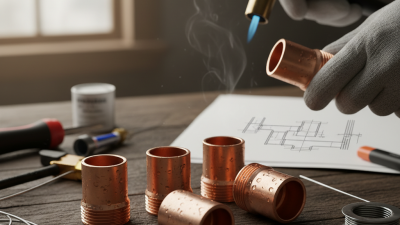
Before soldering the fittings, clean both the fitting and the pipe ends thoroughly. Use a cloth to remove dirt, grease, or oxidation. This preparation helps the solder adhere better, but it can be easy to overlook. Once cleaned, apply flux evenly to both surfaces. Flux helps prevent oxidation during soldering.
As you begin soldering, heat the joint evenly. Avoid overheating, which can cause the copper to burn or warp. After applying the solder, you should check for leaks. Allow the joint to cool naturally. Sometimes, imperfections may lead to small leaks, which need to be addressed quickly. Regularly inspect installed fittings for any signs of wear or leaks; being proactive can save time and expenses.