China Top Flange Source Factory for High Quality Manufacturing Solutions?
In the fast-evolving manufacturing landscape, China stands as a pivotal Flange Source Factory, delivering high-quality solutions. The global flange market is projected to reach $25 billion by 2027, with a significant share attributed to Chinese manufacturers. Their expertise in producing flanges adheres to stringent international standards, offering reliability and longevity in various industrial applications.
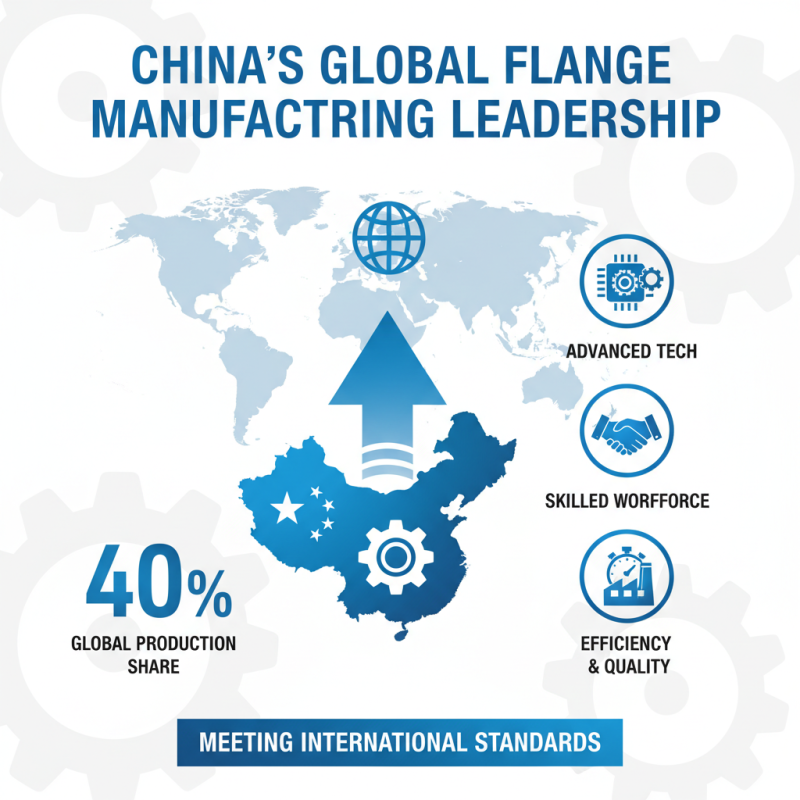
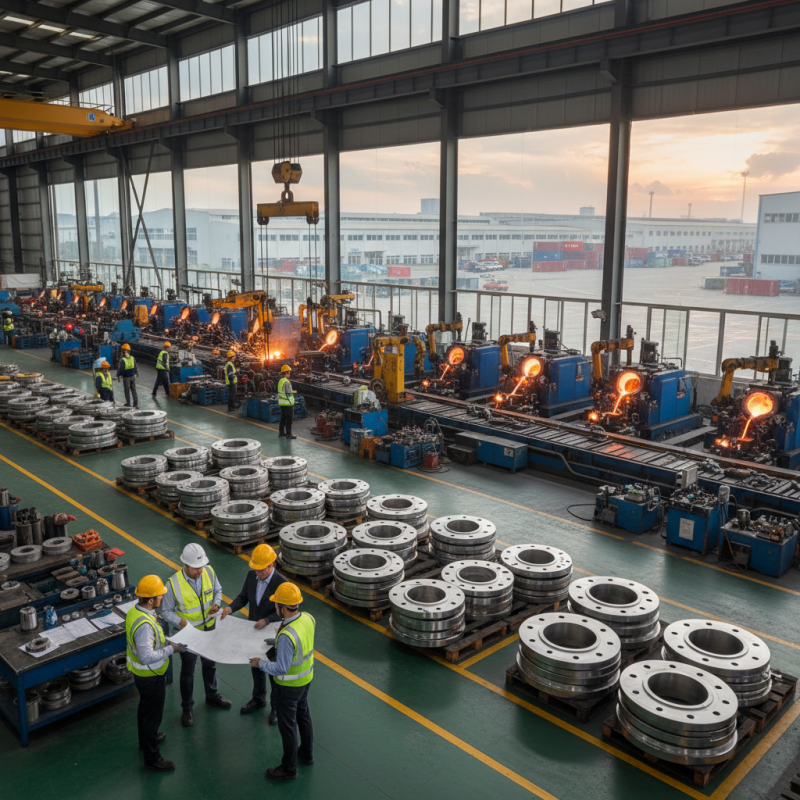
China's production capabilities are impressive. Advanced technologies and skilled labor contribute to the industry's robustness. Reports indicate that over 40% of the world's flanges are produced in China, showcasing its dominance. However, challenges remain. Quality control and consistency are critical concerns for many buyers. Not all manufacturers meet high standards, leading to potential setbacks in supply chains.
Choosing the right flange source involves scrutiny. Buyers must assess the credibility and technical capabilities of their suppliers. Authenticity and rigorous testing are paramount. The potential risks of subpar flanges can compromise entire projects. Therefore, establishing trusted partnerships with reputable factories fosters a more reliable supply network in the long run.
China's Position in Global Flange Manufacturing Industry
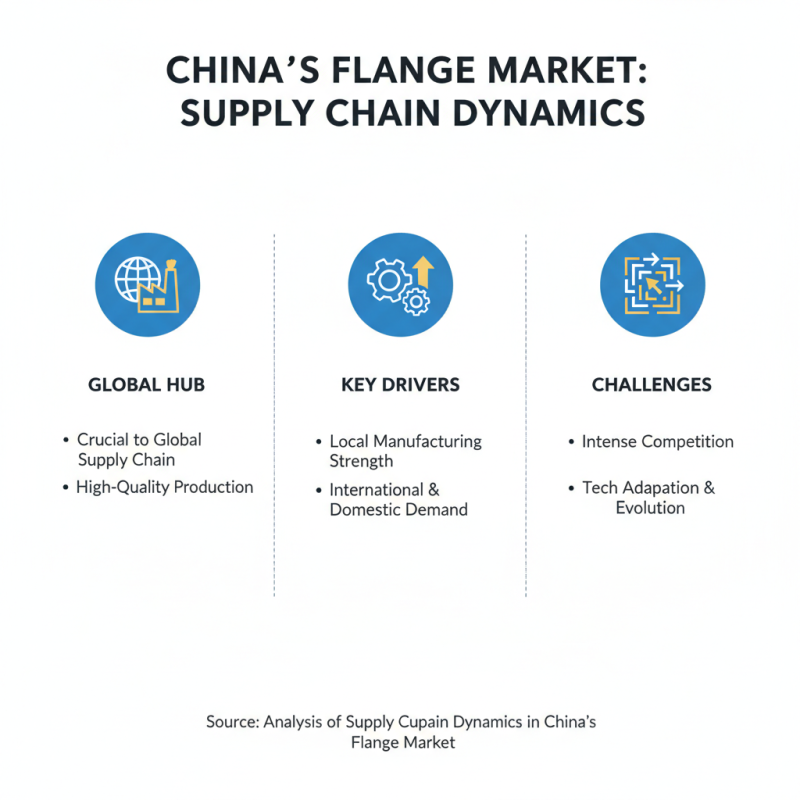
China has established itself as a major player in the global flange manufacturing industry. According to recent market reports, China accounts for over 40% of the world's flange production. This leadership position is largely driven by advancements in manufacturing technology and a skilled workforce. The country’s factories operate with a focus on efficiency, enabling them to meet international quality standards.
Despite these strengths, challenges remain. Some manufacturers face pressure from increasing labor costs and stricter environmental regulations. Reports indicate that about 30% of smaller factories struggle to comply with these new standards. This discrepancy can lead to inconsistencies in product quality across the industry. Companies must adapt quickly to maintain their competitive edge in this evolving landscape.
Moreover, supply chain disruptions caused by global events have highlighted vulnerabilities. Flange manufacturers are now reassessing their sourcing strategies. The need for diversified supply chains is becoming critical. Flexibility and innovation will be key for sustaining China's dominant position in the flange market over the coming years.
Key Manufacturing Standards and Certifications for Flange Products
High-quality flange manufacturing requires strict adherence to international standards and certifications. Flanges are critical components in plumbing and piping systems, often subjected to high pressure and temperature. In 2021, the global flange market was valued at approximately $12 billion, with a compound annual growth rate (CAGR) expected to reach 5% by 2028. This growth reflects the increasing demand in sectors like oil and gas, construction, and manufacturing.
Key manufacturing standards for flange products include ASTM, ASME, and ISO certifications. ASTM F1545 ensures that flanges meet the necessary specifications for safety and performance. ASME B16.5 and B16.47 outline dimensional requirements. ISO certifications, such as ISO 9001, focus on quality management systems. These standards assure customers of reliability. However, lapses can occur due to varying interpretations of these certifications, leading to inconsistencies in product quality.
Tip: Always verify certifications with suppliers. Not all flanges that meet basic standards possess the detailed quality assurance required for critical applications. Engaging with manufacturers that prioritize transparent quality processes can mitigate risks. Additionally, consider third-party inspections to ensure compliance and performance.
Flange quality can sometimes be overlooked. Products may be incorrectly classified or sourced from unverified suppliers. This raises concerns about durability and safety in installations. Industry reports indicate that up to 30% of flange failures stem from poor manufacturing practices. Understanding these risks is crucial for end-users seeking reliable products for their projects.
Technological Advancements in High-Quality Flange Production
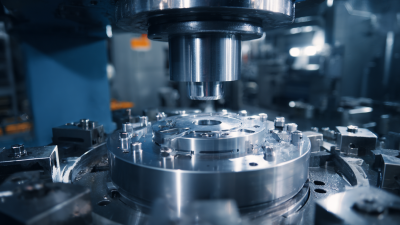
Technological advancements have revolutionized flange production, enhancing quality and efficiency. Sophisticated machinery now allows for precision in the manufacturing process. Automated systems reduce human error, achieving tighter tolerances than ever before. High-speed CNC machines are game-changers, delivering consistent results with minimal waste.
However, these advancements are not without challenges. The initial investment in technology can be substantial. Small manufacturers may find it difficult to keep up. Training workers to operate advanced equipment requires time and resources. Additionally, as technology evolves, companies must continuously adapt. Failure to innovate may lead to obsolescence in a competitive market.
Sustainable practices are gaining traction in flange manufacturing. Energy-efficient processes and recyclable materials are becoming standard. Many companies are exploring eco-friendly options, yet the transition is often slow. The pressure to adopt green solutions must be balanced with cost management. As the industry evolves, the quest for high-quality production remains a shared goal among manufacturers.
Technological Advancements in High-Quality Flange Production
Market Trends and Future Outlook for Chinese Flange Manufacturers
China is emerging as a leading player in the flange manufacturing sector. Recent industry reports show that the country's flange export market is projected to reach USD 5 billion by 2025. This growth is driven by increased demand from industries such as oil and gas, construction, and aerospace. Chinese manufacturers are focusing on advanced technologies for production efficiency and quality control.
Despite this potential, challenges exist. Many manufacturers struggle with quality consistency. Reports indicate that nearly 25% of produced flanges do not meet international standards. This inconsistency can harm buyer trust and impact long-term growth. Addressing quality issues requires investment in better training and technology.
The future outlook for Chinese flange manufacturers remains optimistic. With a growing emphasis on sustainability, many companies are shifting towards eco-friendly practices. Industry forecasts suggest that adopting green technologies could increase competitiveness. However, the need for rigorous quality assurance remains. Adapting to market demands while maintaining high standards will be critical for sustained success.