How to Choose the Best Wear Plate Material for Your Needs?
Choosing the right wear plate material is crucial for various industrial applications. The right material can enhance efficiency and durability. However, the selection process can be overwhelming due to many options available.
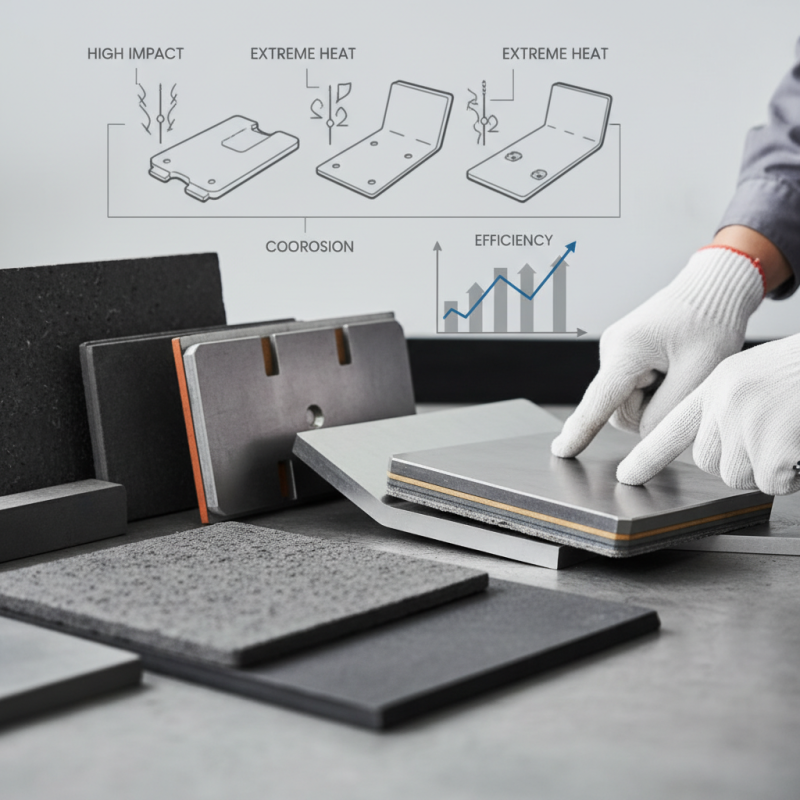
Different environments require different properties in wear plate materials. For instance, high-impact operations may need tougher plates. Similarly, applications exposed to extreme temperatures may benefit from heat-resistant materials. Understanding these conditions can improve decision-making.
It’s important to consider both short-term and long-term needs. Sometimes, what seems like a cost-effective choice may lead to quicker wear or damage. Evaluating the total lifecycle of wear plate material can lead to better investments. Thoughtful consideration of these factors can ensure optimal performance and longevity in your operations.
Understanding Wear Plates and Their Applications
Wear plates are critical components in many industries, serving to protect equipment from abrasion and impact. Their applications span mining, construction, and manufacturing. According to a report by the International Journal of Advanced Manufacturing Technology, wear plates account for approximately 60% of wear-related equipment failures. This highlights their importance in ensuring operational efficiency.
When selecting wear plate materials, it’s essential to consider various factors, including the environmental conditions and types of materials being processed. Hardfaced materials are often preferred for extreme wear, but they may not be ideal in all scenarios. For instance, a softer material might be more suitable for environments where flexibility is necessary. Research suggests that simplifying the wear plate selection process can lead to costly mistakes.
The choice of wear plate not only affects the longevity of equipment but also impacts operational costs. Inadequate materials can lead to premature failures. A study published in Wear Materials Journal found that the right wear plate can reduce replacement costs by up to 30%. It's crucial to understand specific operational demands to make informed decisions. Balancing durability with cost-effectiveness requires thorough analysis and reflection on past experiences.
Wear Plate Material Comparison
Key Factors to Consider When Selecting Wear Plate Materials
Choosing the right wear plate material is essential for optimal performance in harsh environments. Key factors include abrasion resistance, impact strength, and corrosion resistance. According to industry reports, manganese steel is often favored for its toughness, while hardened steel offers better wear resistance. Industry studies reveal that wear plates can reduce maintenance costs by up to 30% when chosen wisely.
Thickness is another critical consideration. Thicker plates may resist wear better but can add weight and affect mobility. On the other hand, thinner plates may wear out quickly. A report by the Association of Equipment Manufacturers suggests that a well-matched wear plate can last up to three times longer than an inadequate one under similar conditions.
Temperature and chemical exposure also play roles. Some materials become brittle in cold conditions, while others degrade with certain chemicals. The variable working environments necessitate careful material selection based on comprehensive testing and existing case studies. A reflective approach to these factors can lead to a more informed choice, avoiding pitfalls that lead to premature wear and failure.
Common Materials Used for Wear Plates and Their Properties
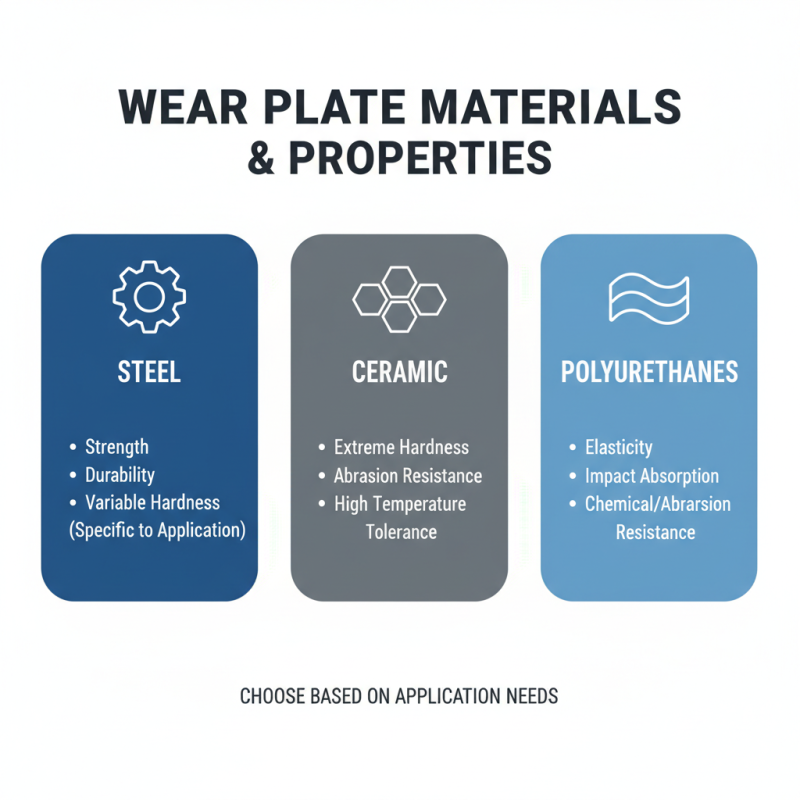
When selecting wear plate materials, understanding their properties is essential. Common materials include steel, ceramic, and polyurethanes. Steel is a widely used option due to its strength and durability. Hardness levels can vary, so it's vital to choose based on the specific application needs.
Ceramic materials offer excellent wear resistance and can withstand high temperatures. However, they can be brittle. This brittleness means that while they excel in some environments, they may fail in others. Polyurethanes are flexible and can absorb shock well, but they may not be suitable for extreme conditions.
Each material comes with its own pros and cons. It is crucial to consider factors like impact resistance, temperature fluctuations, and chemical exposure. An informed choice will reflect the nature of the application and the environment in which the wear plates will function. These factors can significantly influence the lifespan and performance of wear components.
Cost vs. Performance: Making an Informed Choice
When selecting wear plate material, understanding the balance between cost and performance is crucial. Often, your immediate budget may tempt you to choose cheaper options. However, low upfront costs can lead to higher long-term expenses. Cheaper materials might wear down faster, necessitating more frequent replacements. This can ultimately negate any savings.
Tips: Always analyze your operational environment. If your application involves high wear and tear, investing in durable materials may be wiser. Consider the long-term implications of material choice, rather than short-term savings.
Different materials offer varying performance attributes. Steel might be cost-effective, but ceramics offer superior wear resistance. Your decision should align with specific operational requirements, like temperature or chemical exposure. It’s important to assess the material properties that matter for your situation.
Tips: Conduct a cost-benefit analysis. Weigh potential downtime against the durability of wear plates. Evaluate how often replacements will be needed and their associated costs. This reflection can guide your material choice effectively.
Maintenance and Longevity of Different Wear Plate Materials
Choosing the right wear plate material is crucial to achieving optimal performance and longevity. Different materials have unique characteristics that affect their maintenance needs. For instance, steel wear plates require regular inspection for signs of wear and corrosion. They can last long but need maintenance in harsh environments.
Tips: Always keep an eye out for early signs of degradation. This can help prevent sudden failures. Regular cleaning can also extend the life of your wear plates.
On the other hand, composite wear plates often offer better resistance to abrasion but can be more sensitive to chemicals. These plates may require less frequent maintenance but should still be monitored regularly. Look for cracks or looseness in installation points. Ignoring these can lead to bigger issues.
Tips: Document the condition of your wear plates during inspections. You might not see problems immediately, but tracking changes can reveal trends over time. Don't hesitate to consult a materials expert if you notice irregularities.