How to Choose the Best Wear Resistant Steel for Your Needs?
Choosing the right wear resistant steel is crucial for many industries. This material plays a vital role in enhancing the lifespan of equipment and structures. Wear resistant steel is designed to withstand harsh conditions, heavy loads, and abrasive materials. Understanding your specific needs will help you make the best choice.
When evaluating wear resistant steel, consider factors such as hardness, thickness, and tensile strength. Each application may demand different qualities. For instance, some operations require high abrasion resistance, while others might prioritize impact resistance. Knowing the environment where the steel will be used is necessary.
Consulting with experts can provide valuable insights. Their experience ensures you choose the right product. However, it’s important to reflect on potential limitations. Sometimes, the best option may not meet all your expectations. Embracing this uncertainty can lead to better decision-making.
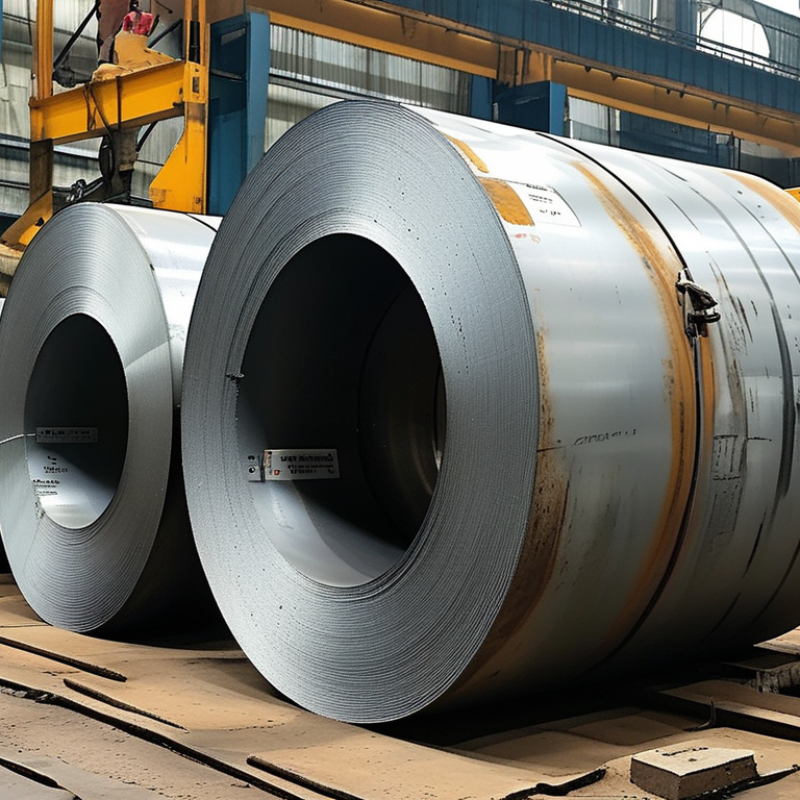
Understanding Wear Resistant Steel: Definition and Importance
Wear resistant steel plays a crucial role in various industries, particularly where heavy machinery and equipment face abrasive wear. This type of steel is designed to withstand wear caused by friction, impact, and other destructive forces. It is often essential in mining, construction, and manufacturing sectors. According to a report by the International Journal of Engineering Materials and Manufacture, wear resistant steel can increase equipment life by 30-50%. This significant increase leads to reduced maintenance costs and operational downtime.
Understanding the properties of wear resistant steel is vital. The hardness, toughness, and chemical composition determine its performance. Various hardness levels, measured on the Brinell or Rockwell scales, indicate how well a steel can resist wear. For instance, steels with a hardness rating of 500 BHN (Brinell Hardness Number) are suitable for applications in quarrying and recycling. However, higher hardness does not always translate to better performance. There is a trade-off between hardness and ductility. This balance is critical to ensure that the steel does not become too brittle and fail under impact.
Selecting the appropriate wear resistant steel often involves challenges that require careful evaluation. Specific applications may call for customized solutions reflecting unique operating conditions. Industry experts suggest conducting thorough assessments of workloads and environments before making a decision. While there is no one-size-fits-all answer, considering factors like temperature, presence of corrosive elements, and anticipated wear patterns are essential. This nuanced approach helps to avoid costly mistakes and optimizes performance.
Key Factors to Consider When Selecting Wear Resistant Steel
Selecting wear resistant steel requires careful consideration of multiple factors.
Hardness is a critical criterion. A harder material typically offers higher wear resistance.
According to a recent study by the American Society for Metals, hardness ratings can vary significantly, impacting performance in various industries.
For example, steel with a Rockwell hardness of 60 or higher is often ideal for mining equipment, where abrasion is common.
The application environment plays a key role as well. Elevated temperatures can weaken some steels, reducing their effectiveness.
A report by the European Steel Association highlights that steels designed for high-temperature applications retain their hardness better than standard options.
Additionally, improve your understanding of the expected wear mechanisms. Impact and sliding wear have different effects on materials.
The ability to identify these wear types can lead to better material selection.
Cost-effectiveness is also a crucial consideration. While higher quality steel may come with increased upfront costs, the long-term savings on maintenance and replacements can outweigh these expenses.
A recent analysis indicated that investing in premium wear resistant steel could reduce downtime and maintenance costs by up to 30%.
This highlights the importance of making informed decisions based on a comprehensive understanding of your specific needs.
Types of Wear Resistant Steel and Their Applications
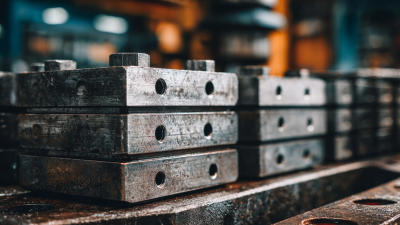
When selecting wear resistant steel, understanding the different types available is crucial. Abrasion-resistant steel, for example, is designed to withstand heavy wear. It is commonly used in mining, construction, and manufacturing industries. This type often boasts a high hardness level, enhancing its durability under harsh conditions.
Another category is impact-resistant steel, which is tailored for applications where heavy impacts occur. Think of machinery components or transport equipment exposed to shocks. Its ability to absorb energy makes it ideal for such scenarios. However, "wear" can mean different things. You may find that a particular steel type does not perform well in unique environments, such as high temperatures or corrosive atmospheres.
Lastly, composite wear resistant steels blend different properties for tailored solutions. These materials can be complex and may require expert knowledge for optimal application. When making your choice, consider not just the cost, but also the specific demands of your application. Sometimes a more expensive option is a better long-term investment. The decision-making process can be challenging and it's essential to rethink your needs periodically.
Evaluating Quality and Performance Standards for Wear Resistant Steel
When evaluating wear-resistant steel, quality and performance standards are critical. ASTM A532 is a key specification used in industries involving heavy wear. This standard outlines the composition and mechanical properties vital for ensuring longevity and durability under abrasive conditions. Understanding these specifications helps determine which type of wear-resistant steel suits specific environments, from mining to construction.
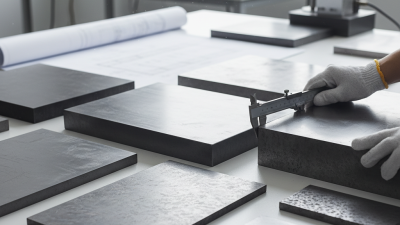
The effectiveness of wear-resistant steel also depends on hardness. Hardness is often measured on the Brinell or Rockwell scales. Studies show wear resistance increases significantly as hardness rises. For instance, steel with a hardness of 500 Brinell exhibits up to 25% better wear resistance than lower grades. However, harder steels can become brittle, posing challenges in extreme conditions. This balance between hardness and toughness needs careful consideration.
Moreover, the manufacturing process impacts performance. Techniques like quenching and tempering can enhance strength and wear resistance. Research indicates that steels which undergo these processes show a marked improvement in their life expectancy. Nevertheless, miscalculations in processing can lead to inconsistent quality. Regular testing and adherence to standards ensure reliability in choosing the right steel for demanding applications.
Cost Considerations in Choosing Wear Resistant Steel Solutions
When selecting wear resistant steel, cost considerations play a crucial role. Many industry reports highlight that wear resistant steel can vary widely in price, depending on its composition and manufacturing method. For instance, medium-carbon steels offer a balance of hardness and ductility at a lower price, while high-performance alloys may significantly increase overall costs. According to industry analysis, companies can save up to 25% by opting for materials suited to their specific operational needs rather than defaulting to the highest grade available.
Another factor to consider is the longevity of the material. Studies indicate that high-quality wear resistant steel can outlast standard grades by up to 50%. This extended lifespan can justify the initial investment. However, businesses must analyze their usage patterns. Some sectors may not require the longest-lasting solutions, and this may lead to over-specification. Regularly reviewing operational needs is essential for balancing performance and cost.
Furthermore, recycling and sustainability may impact costs. Every ton of recycled steel can save about $300 in production costs. However, the consistency in quality might return to haunt expectations. It’s crucial to evaluate the potential trade-offs between upfront costs and lifecycle performance before making a commitment. Understanding these nuances empowers businesses to make informed decisions in their material choices.