How to Choose the Right Wear Plate Material for Your Needs?
Choosing the right wear plate material can be a daunting task. Various industries face wear challenges regularly. The market for wear plate solutions has grown significantly, reaching approximately $4 billion globally in recent years. This growth highlights the increasing demand for durable and efficient materials.
When selecting wear plate material, factors such as impact resistance and corrosion resistance must be considered. Not every material suits every application. For instance, steel plates may offer high strength but can suffer from corrosion. In contrast, polymeric plates provide better corrosion resistance. However, they may lack the needed strength for heavy-duty applications.
Research shows that improper material selection can lead to increased maintenance costs and downtime. These issues can disrupt production processes and reduce efficiency. It's crucial to reflect on specific needs and challenges. Careful consideration of wear plate material is essential for optimal results. Selecting the best option requires a nuanced understanding of material properties and application environments.
Understanding Wear Plates and Their Applications
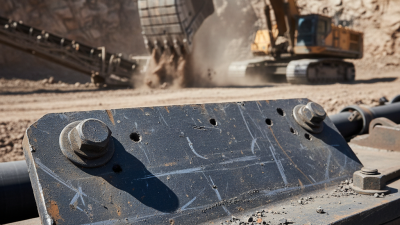
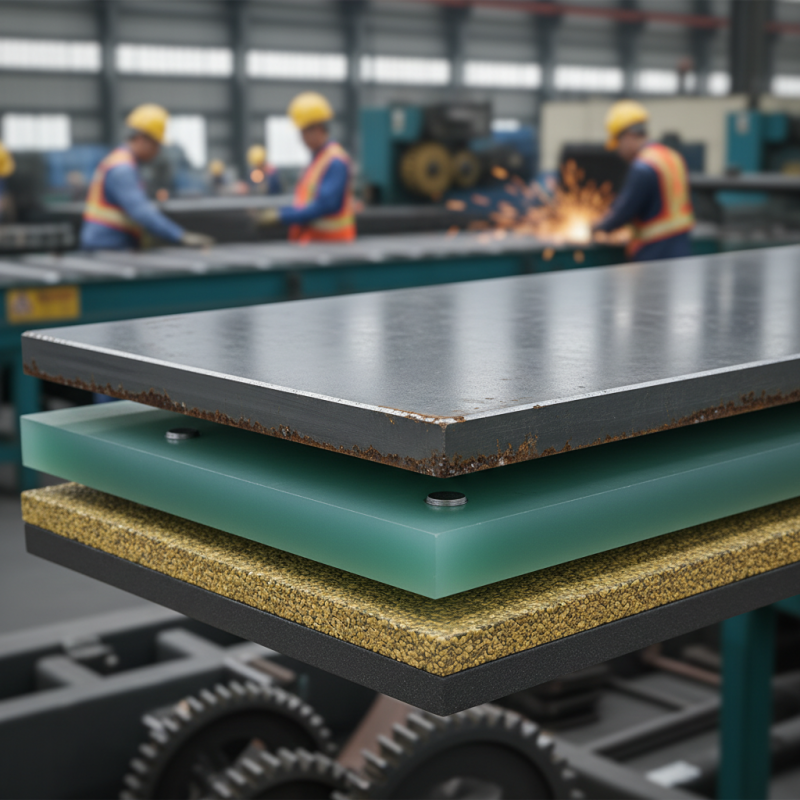
Wear plates are crucial components in many industries. They protect equipment from wear and enhance operational efficiency. Commonly, wear plates are used in mining, construction, and material handling applications. They face harsh conditions, and selecting the right material can impact performance significantly.
Different materials serve different purposes. For example, steel plates are tough and durable. However, they might not be suitable for highly abrasive materials. On the other hand, ceramic wear plates excel in reducing friction but can be brittle. Understanding the specific application is vital. The right choice can minimize downtime and increase productivity. Choosing the wrong material might lead to excessive wear, resulting in frequent replacements.
Several factors need consideration. The environment plays a significant role. Is there high impact? Or is it primarily abrasion? The temperature can also affect material choice. A material that works well at room temperature might fail in extreme heat or cold. Each application poses unique challenges. Careful analysis ensures the optimal wear plate selection.
Key Factors to Consider When Selecting Wear Plate Materials
When selecting wear plate materials, several key factors come into play. Durability is paramount. According to industry reports, wear plates made from high-carbon steel can withstand significant abrasion. These materials often resist wear and tear better than softer alternatives. Hardness ratings are crucial here; a higher rating usually indicates greater resistance. However, one must also consider brittleness. Some hard materials can fracture under impact, leading to costly failures.
Another essential factor is corrosion resistance. Certain environments pose risks like moisture or chemicals. For instance, stainless steel wear plates excel in such conditions but may not provide the best abrasion resistance. Balancing these properties can be challenging. The selection process should involve a thorough analysis of the specific operating conditions.
Lastly, weight and ease of installation matter. Heavier plates can increase the load on machinery and may complicate handling. These elements can be overlooked in the decision-making process. It's important to weigh the benefits against the drawbacks. Ultimately, the right material should meet both performance demands and practical considerations.
How to Choose the Right Wear Plate Material for Your Needs?
| Material Type |
Hardness (HB) |
Tensile Strength (MPa) |
Temperature Resistance (°C) |
Wear Application |
| Steel |
250 - 700 |
400 - 1000 |
400 |
Construction, Mining |
| Chrome Carbide Overlay |
600 - 800 |
1000 - 1200 |
550 |
High Abrasion Areas |
| Alumina |
1500 - 1800 |
300 - 400 |
1000 |
High Temperature Applications |
| Polyurethane |
80 - 90 Shore A |
80 - 100 |
70 |
Impact Resistance |
| Titanium |
250 - 350 |
800 - 900 |
600 |
Aerospace, High Performance |
Common Types of Wear Plate Materials and Their Properties
Choosing the right wear plate material can be challenging. Several types of wear plate materials are available, each with unique properties. Steel plates are quite popular due to their strength and durability. They withstand harsh environments well. However, they can be heavy and may rust if not properly maintained.
Another option is plastic wear plates. They offer excellent resistance to corrosion and chemicals. They're much lighter than steel. However, they may not handle high temperatures very well. This can limit their use in certain applications.
Hardfacing materials, like tungsten carbide, stand out for their wear resistance. They excel in high-impact situations. However, they can be expensive and difficult to install. Each material comes with its pros and cons. It's crucial to evaluate the specific needs of your application before making a decision.
Evaluating the Cost-Effectiveness of Different Wear Plates
Choosing the right wear plate material is crucial for any industrial operation. Cost-effectiveness is often at the forefront of decision-making. Different materials vary in price and performance. For example, alloys may offer superior hardness but come at a premium cost. On the other hand, plastic wear plates are more budget-friendly but may wear out faster.
Evaluating the life cycle of each material is essential. How long will they last under your specific conditions? A cheaper option may save you money upfront but could lead to higher replacement costs. Often, businesses overlook maintenance costs. If a material requires frequent replacement, the savings diminish quickly.
It's also important to consider the environment in which these wear plates will be used. High temperatures or corrosive substances can drastically affect performance. Use cases vary widely. Take time to assess what aligns best with your operational needs. Test different materials, and gather data on their performance. In the end, the best choice may not always be the most economical one. Balancing upfront costs and longevity is vital for real cost-effectiveness.
Recommendations for Specific Industries and Use Cases
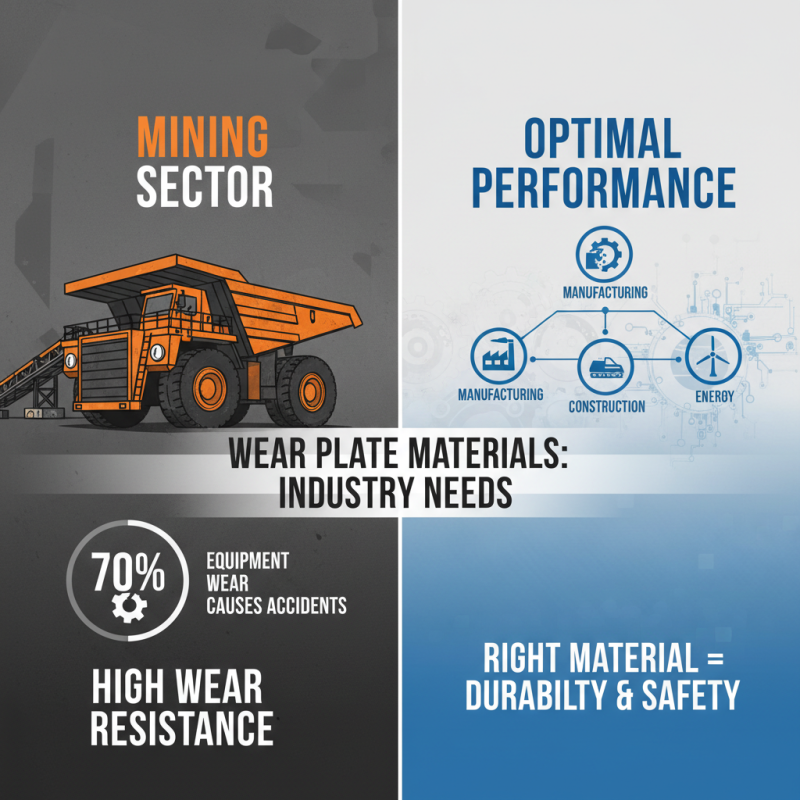
Choosing the right wear plate material can significantly affect performance. Different industries have unique needs. For example, the mining sector often requires high wear resistance. Reports suggest that 70% of mining accidents stem from equipment wear issues. Therefore, selecting robust materials is crucial.
In the construction industry, wear plates endure constant abrasion. Steel and ceramic composites are popular choices. These materials provide durability and strength. However, they may also be prone to cracking under extreme conditions. It’s essential to conduct thorough testing before implementation.
Tips: Always analyze the environment where wear plates will be used. Consider temperature fluctuations and chemical exposure. Also, consult recent industry reports. They offer valuable insight into performance standards. Balancing cost and quality is key, but don’t overlook potential long-term savings from investing in better materials.