How to Choose the Best Wear Resistant Steel for Your Needs?
When selecting the right Wear Resistant Steel, expertise is crucial. Industry expert Dr. Emily Carter states, "Choosing the right steel can significantly impact equipment lifespan." With various options available, understanding your specific needs is vital.
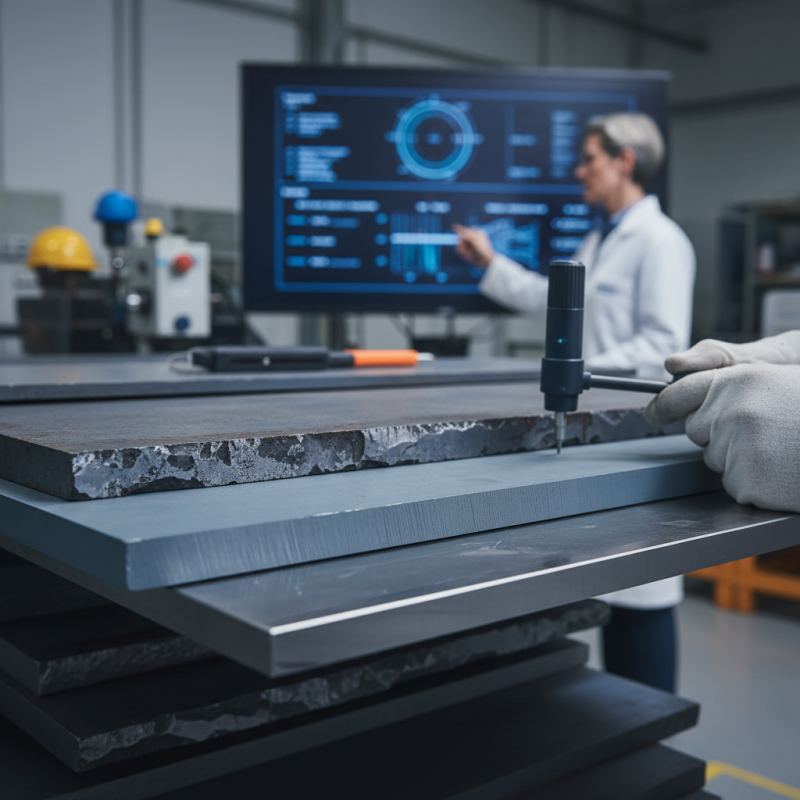
Wear Resistant Steel is designed to withstand harsh conditions. It excels in applications like mining, construction, and manufacturing. Each application's demands vary, influencing your choice of steel type.
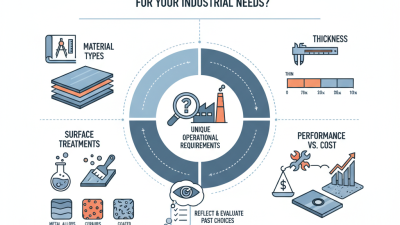
Manufacturers offer different grades and compositions. An informed decision reduces costs and downtime. However, some might overlook critical factors. Reflecting on your organization’s requirements ensures a better fit. The right choice relies on experience, application specifics, and expert advice.
Understanding Wear Resistant Steel: Definition and Types
Wear resistant steel is essential in industries where abrasion and wear are prevalent. This type of steel is engineered to withstand significant wear and extends the lifespan of equipment. There are several categories of wear resistant steel, including high carbon steels, alloy steels, and hardened cast irons. Each type offers unique properties ideal for specific applications. According to the Steel Construction Institute, wear resistant steel can enhance wear life by up to 300%.
High carbon steels are known for their hardness and tensile strength. They are often used in mining and construction equipment. Alloy steels come with added elements like chromium or nickel, which improve toughness and resistance to impact. Meanwhile, hardened cast irons are generally used where high impact resistance is vital, such as in industrial machinery. A report by the National Association of Manufacturers indicates that using the correct type of wear resistant steel can reduce maintenance costs by up to 30%.
Choosing the right type can be challenging. It requires understanding specific operational conditions. Factors include the nature of materials being processed, temperature, and impact forces. Sometimes, an inappropriate selection can lead to premature failure and higher expenses. Therefore, analyzing the operational environment is crucial for decision-making.
How to Choose the Best Wear Resistant Steel for Your Needs?
| Type of Wear Resistant Steel |
Hardness (HB) |
Typical Applications |
Key Advantages |
| AR 400 |
400 |
Chutes, Hoppers, and Mining Equipment |
Good wear resistance and ductility |
| AR 500 |
500 |
Excavator buckets, Crusher plates |
Higher hardness for increased wear resistance |
| Wear Plate |
250-600 |
Construction and Mining Machinery |
Customization options and good impact resistance |
| Chrome Moly Steel |
300-400 |
High-Stress Applications |
Excellent toughness and strength |
| Teflon Coated Steel |
Varies |
Food Processing and Pharmaceutical Industries |
Non-stick properties and corrosion resistance |
Key Factors to Consider When Selecting Wear Resistant Steel
When selecting wear resistant steel, several key factors come into play.
Hardness is paramount. A hardness level of 450 BHN is often recommended for high-wear applications. This can significantly enhance the material’s lifespan.
However, higher hardness can lead to brittleness, which might not be ideal in certain environments.
Another critical aspect is chemical composition. Elements like chromium and manganese improve wear resistance and toughness.
Research shows a balanced alloy can offer optimal performance. Yet, ensuring the right balance is challenging, as too much of one element can compromise the steel's integrity.
Also, consider the manufacturing process. Techniques such as heat treatment can refine grain structure, increasing toughness.
Data from industry reports indicate that properly heat-treated wear resistant steel can outlast untreated variants by 30%.
Not all providers follow best practices in steel production. Assessing the credibility of manufacturers is essential. Look for certifications and test reports to ensure reliability.
Applications of Wear Resistant Steel in Various Industries
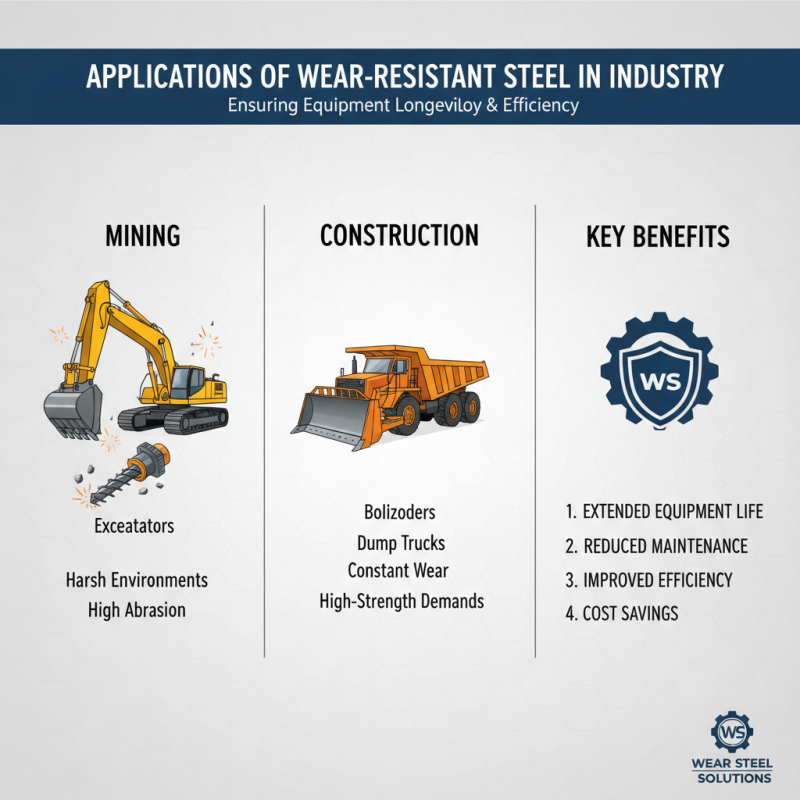
Wear resistant steel plays a crucial role in various industries, ensuring equipment longevity and efficiency. For instance, the mining sector extensively uses wear resistant steel in machinery like excavators and drills. These applications demand materials that can withstand harsh environments and high abrasion levels. Similarly, the construction industry relies on high-strength steel for equipment that faces constant wear, such as bulldozers and dump trucks.
Tips for choosing the right wear resistant steel include understanding the specific needs of your project. Consider factors like impact resistance, corrosion resistance, and flexural strength. It's vital to review different grades of steel for their suitability. Also, be aware that not all applications will benefit from the same steel type. Testing samples before making a significant investment may save time and money.
In agriculture, wear resistant steel is found in equipment like plows and harvesters. These machines operate in tough conditions, encountering soil and rocks. Choosing high-quality materials can significantly reduce downtime. However, some users overlook maintenance practices. Regular inspections can prevent unexpected failures and enhance the lifespan of the equipment. Awareness of these details can lead to better decision-making in material selection.
Comparing Different Grades of Wear Resistant Steel
When selecting wear-resistant steel, understanding the differences in grades is essential. Each grade offers unique properties suited to specific applications. For instance, Hardox and Domex grades are popular in industries requiring high-tensile strength. They excel in impact resistance and durability. This is vital for machinery operating in harsh conditions.
It's critical to consider both the environment and the wear factors. Some grades withstand abrasive materials, while others resist impact stress. Choosing the wrong grade can lead to frequent replacements and increased costs. For example, using a low-grade steel in high-impact conditions may result in quick degradation.
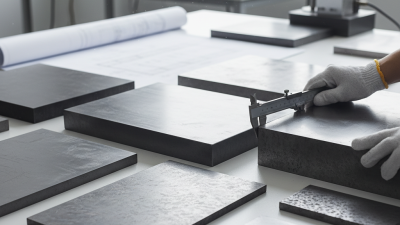
Also, the thickness of the steel plays a pivotal role in performance. Thicker materials often provide better longevity against wear.
Even with all the options, finding the best fit can be daunting. Incomplete knowledge about grade specifications can lead to improper choices. It’s wise to consult with experts to assess specific needs. Many industries face challenges with misalignment in selecting materials. Engaging in discussions about real-world applications can clarify choices. Understanding input from practitioners can significantly enhance decision-making.
Maintenance and Longevity of Wear Resistant Steel Solutions
When discussing the longevity of wear-resistant steel solutions, it's essential to consider several factors. Regular maintenance can significantly extend the lifespan of these materials. According to recent industry reports, unmaintained wear-resistant steel parts can lose up to 50% of their effectiveness after just a year in harsh conditions. Proper lubrication and routine inspections can prevent early wear and tear.
The environment plays a crucial role in the durability of wear-resistant steel. For instance, exposure to extreme temperatures or corrosive substances can accelerate degradation. Studies show that maintaining an optimal operating temperature can enhance the performance and longevity of wear-resistant steel by 30%. It’s essential to assess the specific environmental conditions in which these materials will operate.
Training operators on proper handling can reduce unforeseen damage. An untrained operator may not identify early signs of wear, leading to costly repairs. In some cases, a small crack can escalate and require full replacement. Investing in operator education will yield long-term savings. These details can help businesses make informed decisions about their wear-resistant steel needs.