How to Choose the Right Seamless Square Tube for Your Project?
Choosing the right seamless square tube for your project can be challenging. Industry expert John Smith once said, "The right tube can elevate a project’s quality dramatically." This highlights the importance of making informed decisions in material selection.
Seamless square tubes offer unique advantages. They are strong, flexible, and provide uniformity. However, not all tubes are created equal. It’s crucial to consider factors like material grade, thickness, and application type. These details will impact the tube's performance.
Many often overlook their specific project needs. Without proper evaluation, errors can occur. Rushing choices could lead to project delays or increased costs. Take your time to reflect on all aspects before making a decision. When done right, the seamless square tube can be an asset to any project.
Understanding Seamless Square Tubes: Definition and Applications
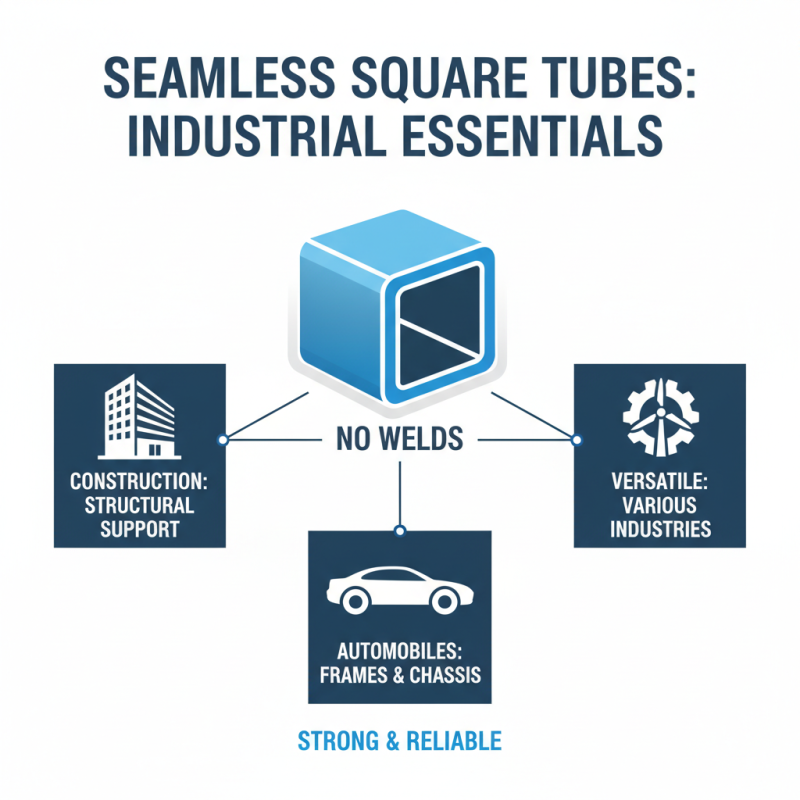
Seamless square tubes are essential in various industries. These tubes are hollow and have a uniform cross-section. They are made without welds, making them strong and reliable. In construction, they provide structural support. In automobiles, they are used for frames and chassis. The applications are vast, showcasing their versatility.
When selecting seamless square tubes, consider material type and thickness. Steel is commonly used for its strength. Aluminum offers lightweight options, suitable for projects needing portability. It's crucial to match the tube's size to your design specifications. This affects functionality and aesthetics. Small deviations can impact your entire project.
Tips: Always double-check your measurements before ordering. A slight error can lead to compatibility issues. Evaluate the load-bearing requirements of your project. Not all tubes are designed to handle heavy weights. Seek expert advice if unsure about your choices. Sometimes, trial and error is part of the process.
Key Factors to Consider When Selecting Seamless Square Tubes
When selecting seamless square tubes, several key factors come into play.
First, consider the material. Common options include
stainless steel, aluminum, and
carbon steel. Each type offers unique properties. For instance,
stainless steel resists corrosion well.
Aluminum is lightweight and easy to work with.
Carbon steel provides strength but might need protective coatings.
Next, think about dimensions. The size and wall thickness of the tubes impact their strength and application.
A thicker wall can bear more load. However, it also adds weight.
It’s essential to find a balance that suits your project's needs.
Too heavy may complicate transportation, while too light might lead to structural issues.
Lastly, examine the finish and surface treatment.
A smooth finish can enhance appearance and functionality. Consider how the final product will be used.
Will it be painted or exposed?
Each decision carries weight.
Sometimes, an overlooked detail can create significant challenges later.
Reflect on your choices carefully.
Material Types and Their Strength Characteristics in Seamless Tubing
Choosing the right seamless square tube for your project involves understanding various material types and their strength characteristics. Steel is a popular choice for many applications. It offers excellent strength and durability. Stainless steel, while more expensive, provides corrosion resistance. This makes it ideal for outdoor applications or harsh environments.
Aluminum is another option. It is lightweight and easy to work with. However, it may not withstand heavy loads as well as steel. Consider the specific requirements of your project. Each material has its strengths and weaknesses. Assess the load, environment, and longevity required.
**Tip:** Always consult with a materials expert if you're unsure. Their insights can help you avoid costly mistakes. A small miscalculation can lead to property damage or safety issues.
Another material to think about is carbon fiber. It offers a unique combination of strength and lightness. However, it can be more difficult to source and work with. Understanding how different materials affect your tube's performance is crucial. Evaluate each option carefully. It saves time and resources in the long run.
Strength Characteristics of Different Seamless Tube Materials
Industry Standards and Specifications for Seamless Square Tubes
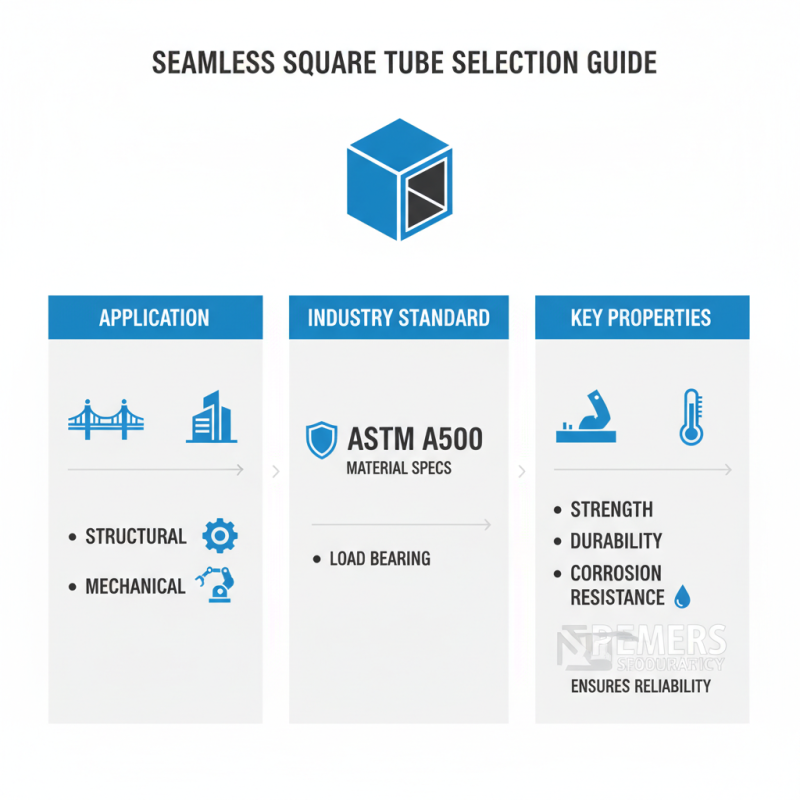
Choosing the right seamless square tube involves understanding industry standards. Different applications require specific properties. ASTM A500 is often referenced. This standard outlines material specifications for structural tubing. It ensures the tube will perform under various loads.
The dimensions of seamless square tubes vary by industry requirement. Wall thickness, width, and length play crucial roles. Thin-walled tubes can be lightweight. But they may lack durability. In contrast, thicker options provide strength but add weight. It’s essential to strike a balance based on project needs.
Inspecting the surface finish is equally important. A polished finish often enhances aesthetics. However, a rough finish might be suitable for certain applications. Ensure the tube meets your project’s cleanliness requirements. Poor surface quality could lead to issues later. Choosing the right tube requires careful consideration of these factors. Mistakes can be costly, so thorough research is essential.
Cost-Benefit Analysis: Assessing the Value of Seamless Tubes in Projects
When considering seamless square tubes for your project, a thorough cost-benefit analysis is essential. The initial price may seem high. However, the durability and strength of seamless tubes can lead to significant long-term savings. They are less likely to fail under pressure, reducing maintenance costs. This aspect is particularly important in structural applications.
Think about the specific needs of your project. For instance, what load will the tubes bear? Will they be exposed to harsh environments? Evaluating these factors can reveal the true value of investing in seamless options. Cheaper alternatives might save you money initially but could lead to costly replacements.
Reflect on the overall project goals. Are aesthetics as important as functionality? Weighing these decisions can help clarify the right choice for your needs. Sometimes, the cheapest option isn’t the best in the long run. Quality often trumps price when safety and longevity are at stake.
How to Choose the Right Seamless Square Tube for Your Project?
| Material |
Wall Thickness (mm) |
Weight (kg/m) |
Cost per Meter ($) |
Tensile Strength (MPa) |
Typical Applications |
| Steel |
3 |
7.85 |
25 |
400 |
Construction, Structural Frames |
| Stainless Steel |
2 |
5.85 |
45 |
520 |
Fluid Transfer, Corrosive Environments |
| Aluminum |
4 |
2.70 |
30 |
300 |
Aerospace, Automotive Parts |
| Carbon Fiber |
2.5 |
1.20 |
150 |
700 |
High-Performance Sports Equipment |