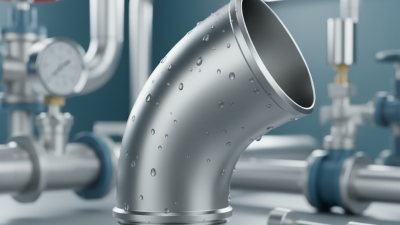
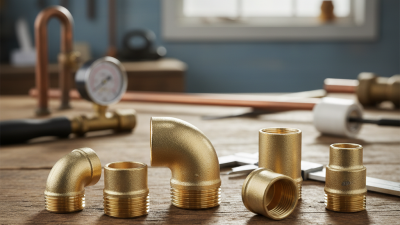
What is Male To Female Elbow and its Uses in Plumbing?
The plumbing industry often utilizes a variety of fittings, one of which is the Male To Female Elbow. This component is essential for connecting pipes at an angle, making it indispensable for many plumbing systems. Designed to accommodate pipes of different genders, it serves as a crucial link in ensuring proper flow and direction of water.
Understanding the specific applications of a Male To Female Elbow enhances both efficiency and reliability in plumbing installations. While it seems straightforward, the intricacies of selecting the right elbow require a good grasp of plumbing standards and specifications. This fits within the wider context of plumbing, where each component plays a vital role in the overall system's functionality.
Professionals in the field often emphasize the importance of choosing quality materials for elbows to prevent leaks and ensure durability. A poorly chosen Male To Female Elbow could lead to problems like water damage or system failures. Being mindful of these details can greatly impact a project's success and longevity, showcasing the importance of experience and knowledge in plumbing.
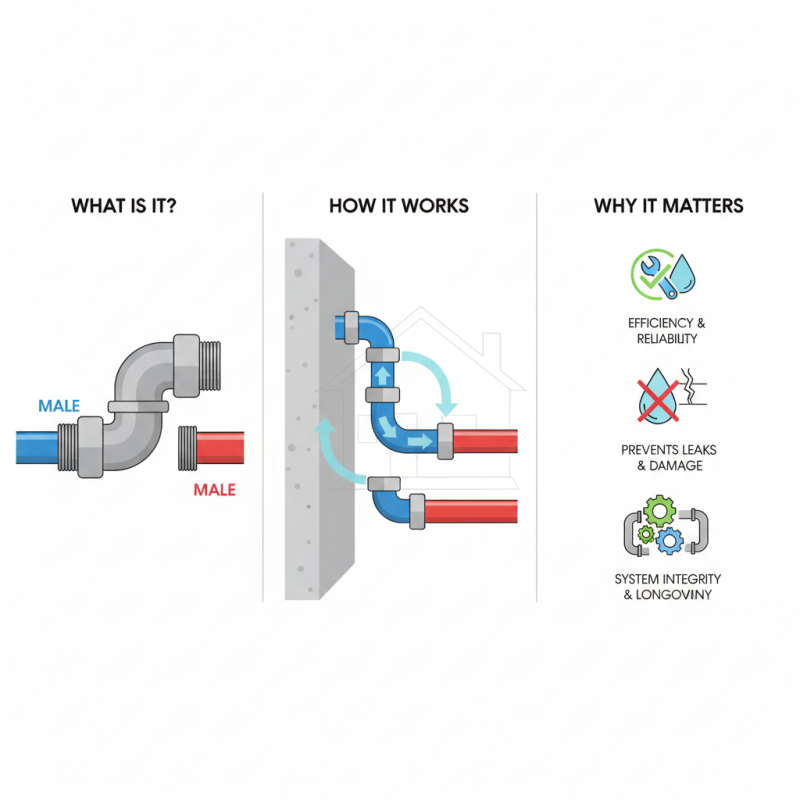
Understanding Male To Female Elbow: Definition and Function
A male to female elbow is a crucial component in plumbing. This fitting allows for a change in direction in pipe systems, typically at a 90-degree angle. Its design consists of a male threaded end and a female threaded end, facilitating easy connections between pipes of different orientations. Plumbers often use it in tight spaces where a direct connection isn’t feasible.
Installation requires attention to detail. Proper threading ensures a leak-free fit. Plumbers should inspect the threads for damage, as this can lead to complications. These elbows come in various materials, including brass and PVC, each offering different durability and resistance. Selecting the right material is essential for the specific application, especially in high-pressure systems.
While a male to female elbow is efficient, mistakes can happen. Over-tightening the fitting may cause cracks. Furthermore, using incompatible materials can lead to failure. Many DIY enthusiasts overlook these details, which can result in costly repairs. Understanding these nuances in plumbing can make all the difference in achieving a reliable system.
What is Male To Female Elbow and its Uses in Plumbing?
| Dimension |
Description |
Material |
Common Uses |
| 1/2 inch |
Small male to female elbow for tight spaces |
PVC |
Indoor plumbing, irrigation systems |
| 3/4 inch |
Standard size for residential plumbing |
Copper |
Water supply lines, HVAC systems |
| 1 inch |
Larger elbow for commercial use |
Brass |
Industrial plumbing, heavy-duty applications |
| 1.5 inch |
Used in larger plumbing systems |
PVC |
Drainage systems, wastewater management |
Common Applications of Male To Female Elbow in Plumbing Systems
Male to Female elbows are essential fittings in plumbing systems. They connect pipes with different threading types. Designed to facilitate smooth transitions, these elbows can redirect flow in confined spaces.
In residential plumbing, these fittings are commonly used for water supply lines. A report from the American Society of Plumbing Engineers indicates that about 30% of plumbing leaks are due to improper connections. Therefore, using the right fitting, such as a Male to Female elbow, is critical for maintaining system integrity.
Commercial applications also benefit from these elbows. They play a significant role in HVAC systems, carrying water or air through ducts. Various industry studies note that poorly installed fittings can lead to excessive energy costs. It’s vital to choose the correct size and material. While these elbows are straightforward components, their importance cannot be overlooked.
Installation Guidelines for Male To Female Elbow in Plumbing Projects
Installing a male to female elbow in plumbing projects can seem straightforward, but it requires attention to detail. Start by ensuring all surfaces are clean. Any debris can interfere with sealing. Use a clean cloth to wipe the threads of both fittings. This step helps prevent leaks.
Next, apply the appropriate plumbing tape to the male threads. Wrap it tightly, but don’t overdo it. Some people use too much tape, which can cause difficulty in threading the fitting. Screw the male end of the elbow into the female fitting carefully. Hand-tighten it first, then use a pipe wrench, ensuring not to over-tighten. Over-tightening can damage the threads or crack the fitting.
Once installed, check for leaks. After turning the water supply back on, observe the connection closely. A slight drip may indicate a need for adjustment. Sometimes, even a well-installed elbow can leak if it wasn't threaded properly. This process might seem simple, but mistakes can happen, reminding us to always double-check our work for reliability.
Maintenance Tips for Male To Female Elbows in Plumbing Systems
Maintaining Male to Female elbows in plumbing systems is crucial for long-lasting performance.
These fittings can wear out due to various factors, including exposure to moisture, temperature changes, and
pressure fluctuations. Regular inspections can reveal signs of wear and tear.
Check for leaks or corrosion around the connections.
Such simple checks can prevent bigger plumbing issues.
Cleaning these fittings often goes unnoticed.
Using a soft cloth can remove debris and buildup. Avoid harsh chemicals that may damage the materials.
Proper lubrication of the threads can also enhance their longevity.
This maintenance practice ensures that the fittings remain functional and reliable.
However, not all users remember to perform these simple tasks.
It’s important to reflect on the installation process. A poorly installed elbow
can lead to unnecessary leaks or failures. Ensure the fitting is tightly secured without over-tightening,
which can cause damage. Recognizing these small details can make a significant difference in the plumbing system’s
overall performance. Neglecting these aspects might lead to inconvenient repairs
in the future.