What Are the Top 10 Flange Source Factories in China?

China’s flange industry operates within one of the world’s largest steelmaking ecosystems. The World Steel Association reported that China produced approximately 1.005 billion tonnes of crude steel in 2024, out of 1.883 billion tonnes worldwide. This figure provides useful industrial context, but it does not prove that any individual supplier makes reliable flanges. Buyers still need to check production records, material traceability, and inspection procedures.

This guide examines ten Chinese flange source factories through practical sourcing criteria: product range, manufacturing capability, quality documentation, export experience, and responsiveness. Look for details such as heat-number traceability, dimensional inspection records, and clear material certificates—not just polished catalog photos. ASME and ISO standards can help buyers define technical requirements, while independent audits and sample testing provide additional evidence. Details matter.

A “Flange Source Factory” may manufacture products directly, or rely partly on subcontractors. That distinction can affect lead times, consistency, and accountability. Public company profiles rarely tell the whole story, and rankings can change with project requirements. A factory suitable for standard carbon-steel flanges may not fit a demanding alloy-steel order. This list is a starting point, not a substitute for due diligence. Verify each supplier’s current certifications, production scope, and inspection process before placing an order.
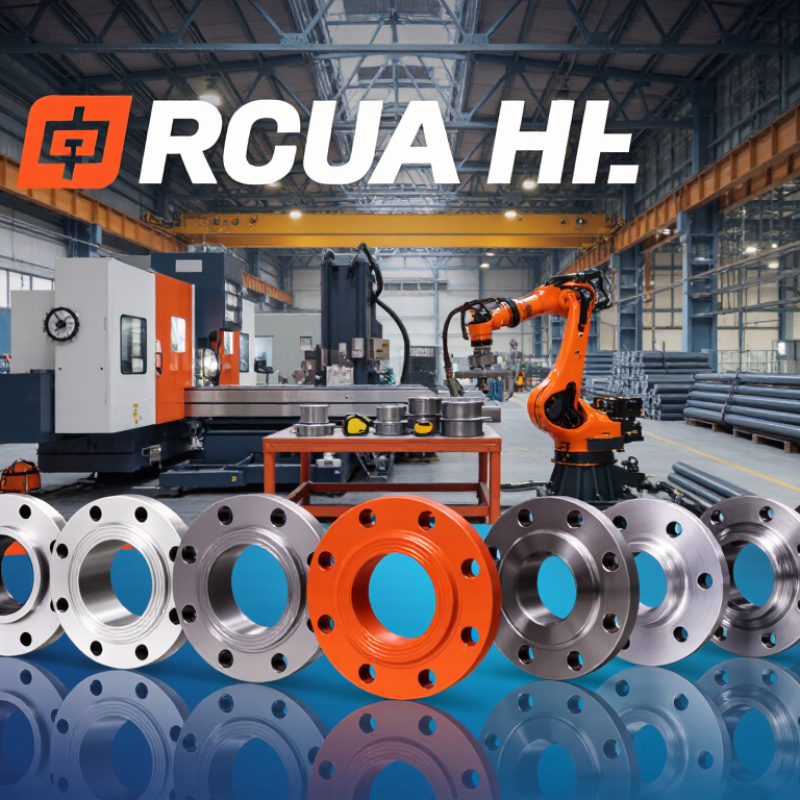
What Are the Top 10 Flange Source Factories in China?

Understanding China’s Flange Manufacturing and Factory Types

What Are the Top 10 Flange Source Factories in China?
Understanding China’s Flange Manufacturing and Factory Types

China’s flange suppliers are not all the same kind of factory. Some forge steel blanks, machine finished flanges, or handle both stages in-house. Others focus on stainless steel, large diameters, or custom orders. These differences affect lead time, inspection, and traceability. The World Steel Association reported that China produced 1,005.1 million tonnes of crude steel in 2024. That figure shows the scale of the upstream steel industry, not the capacity or quality of any individual flange factory.

When comparing factories, identify their actual production model. A forging-focused plant may offer control over forming, while a machining-focused shop may rely on purchased blanks. Integrated factories can reduce handoffs, but integration alone does not prove consistent quality. Ask for material certificates, dimensional inspection records, and details on heat treatment and non-destructive testing. Check that sample documentation matches the proposed order. A polished brochure is not evidence. I would also question unusually short lead times; sometimes, though not always, they reflect assumptions worth checking.

Tips: Request a process flow and a recent inspection report. Confirm who performs each production step. For critical dimensions, agree on tolerances before ordering, and clarify how deviations are handled. Small details matter.
Criteria for Identifying Leading Flange Source Factories

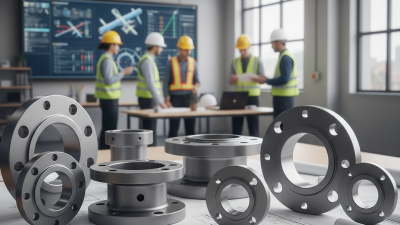
A credible list of China’s leading flange source factories should be built on verifiable performance, not polished catalogs. Check whether the factory can provide material certificates linked to identifiable heat or batch numbers. Compare flange dimensions, pressure ratings, facing finish, and applicable technical standards against your drawings. Ask how inspection results are recorded and whether nonconforming pieces are separated before packing. Paperwork matters.

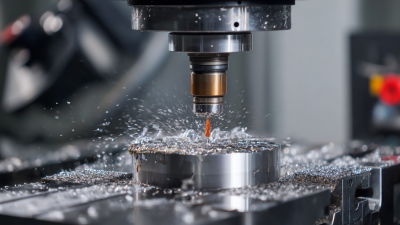
Production capability deserves a close look. A factory may offer many flange types, but its actual machining equipment, tooling, and inspection instruments should match the products you need. Ask to review sample inspection reports, including measurements of bolt-hole spacing and sealing-face dimensions. For critical orders, clarify whether pressure or leak testing applies, and request documented results when relevant. An in-person audit can reveal practical details: organized material storage, calibrated gauges, and clear identification on finished parts.

Also assess traceability, delivery planning, and technical communication. A fast reply is useful, but precise answers about tolerances and material substitutions are better. No scorecard is perfect; a small supplier with consistent inspection records may be a safer fit than a larger factory with vague documentation. Compare evidence across several orders, not one attractive sample.

What Are the Top 10 Flange Source Factories in China? — Criteria for Identifying Leading Flange Source Factories
No. Evaluation Criterion What to Verify Why It Matters
1 Product and standard coverage Confirm that the factory can manufacture the required flange types, sizes, pressure classes, facing types, and materials. Check the applicable drawings and standards, such as ASME B16.5 for covered pipe flanges and flanged fittings. Standards and dimensions vary by product range. Matching the purchase specification helps prevent fit-up and interchangeability problems.
2 Material traceability Request material test certificates and confirm that heat or batch numbers can be traced from raw material through production and final shipment. For applicable orders, specify the required inspection-document type, such as EN 10204 Type 3.1. Traceable records help verify material identity and connect inspection results to the supplied products.
3 Quality management system Check the scope, issuing body, validity, and site address on any claimed ISO 9001 certificate. Review documented procedures for inspection, nonconformities, corrective action, and record control. A valid quality system supports consistent process control, but certification alone does not prove that a particular product meets its specification.
4 Manufacturing process capability Identify which operations are performed in-house and which are subcontracted, including forging, heat treatment, machining, and surface finishing. Ask for process flow records and equipment capability relevant to the order. Knowing the production route clarifies responsibility, lead-time dependencies, and where process controls need to be checked.
5 Inspection and testing Review inspection plans and sample records for dimensional checks, material verification, marking, and any specified mechanical or nondestructive tests. Confirm test methods, acceptance criteria, and the required inspection stage. Inspection should demonstrate conformity to the agreed specification; tests should be selected according to the product, material, and purchase requirements.
6 Dimensional control Check whether the factory uses calibrated measuring equipment and records critical dimensions, including bolt-hole layout, bore, thickness, facing, and overall dimensions as applicable. Reliable dimensional inspection supports assembly fit and helps identify deviations before dispatch.
7 Material and grade suitability Confirm the specified material grade and governing material standard for the service conditions. For example, ASTM A105 covers carbon steel forgings for piping applications, while ASTM A182 covers forged or rolled alloy and stainless steel pipe flanges and fittings within its scope. Material selection must match the design and service requirements. A material designation should not be treated as interchangeable with another without engineering approval.
8 Production capacity and delivery control Ask for a realistic production schedule, current capacity for the requested product mix, material availability, and a documented process for monitoring order milestones. Capacity claims are most useful when tied to the specific order, production route, and delivery commitment.
9 Packaging, marking, and export documentation Verify that product marking, corrosion protection, packaging, packing lists, certificates, and shipping documents can meet the purchase order and destination requirements. Clear identification and suitable packaging help protect products in transit and simplify receiving inspection.
10 Auditability and commercial transparency Confirm the actual manufacturing site, arrange a suitable audit or third-party inspection when needed, and clarify quotation scope, tolerances, exclusions, payment terms, and warranty provisions in writing. Verifiable site and commercial information reduces uncertainty and helps ensure that the evaluated production source is the one fulfilling the order.
Evaluation note: This table is a buyer’s assessment framework, not a ranking of named factories. Apply the criteria to each candidate against the project specification, and verify certificates, capabilities, and product records directly before placing an order.

Top 10 Flange Source Factories in China

Choosing among the top 10 flange source factories in China takes more than comparing prices. A dependable shortlist should include manufacturers with clear production capabilities, documented material controls, and inspection records. Ask whether the factory makes the required flange type, size range, pressure class, and material grade in-house. A polished catalogue is not proof of consistent output.

Look for specific evidence. Request a sample material certificate, dimensional inspection report, and photos of marked products beside measuring tools. Check how the factory handles heat numbers, surface defects, and changes to order specifications. These details matter when flanges must fit existing pipework. Ask about lead times using your actual quantities, not a convenient sample order. Small test orders can reveal a lot.

Visit the workshop if possible. Observe machining areas, storage conditions, and how finished parts are protected from damage. Some suppliers may outsource steps; that is not automatically a problem, but the process should be disclosed. Rankings can shift with product type, delivery needs, and inspection standards. A factory suited to standard carbon-steel flanges may not be the right choice for a custom stainless-steel order. I would still verify every claim independently.

Comparing Factory Capabilities, Products, and Certifications

A useful comparison of China’s top ten flange source factories should begin with production capability, not catalogue size. The World Steel Association’s World Steel in Figures 2024 reports that China produced 1,019.1 million tonnes of crude steel in 2023. That scale supports a deep industrial supply base, but it does not prove any factory can make a specific flange reliably. Ask whether the plant controls forging, heat treatment, machining, and inspection in-house. Look for practical evidence: press capacity, furnace records, calibrated measuring tools, and traceable material test reports. Details matter.

Product range is another test. Compare carbon steel, stainless steel, and alloy steel options, plus pressure classes, dimensions, and applicable standards such as ASME B16.5 or EN 1092-1. Certifications need close review. ISO 9001 can indicate a documented quality system, but check its scope, site address, issuer, and expiry date; it is not product approval. For export projects, verify required conformity documents against the destination market and purchase specification. Request sample inspection records and witness a pressure or dimensional check where feasible. A clean audit room can impress. It can also hide gaps. I would compare at least three recent orders, since one polished sample says little about repeat production.

How to Choose a Suitable Chinese Flange Supplier

How to Choose a Suitable Chinese Flange Supplier

A supplier’s catalog can look complete, but the details reveal more. Match the flange material, dimensions, facing, and pressure rating to your actual piping specification. Ask for sample inspection records and material certificates linked to the production batch. Check whether the factory can explain its machining tolerances and inspection steps clearly. Vague answers deserve a follow-up. If possible, review a sample flange with calipers and compare its bore, bolt holes, and finish against your drawing. A polished sample alone is not enough; repeatability across a full order matters.

Tips: Request a written quotation with material grade, standard, quantity, lead time, and packaging details. Ask how the factory prevents mix-ups between similar sizes. Confirm who handles quality checks before shipment.

Communication is also part of supplier quality. Send one clear drawing revision and note any critical dimensions. See how quickly the supplier flags missing information. That small exchange can show whether the team understands your application or simply accepts every request. I would not choose on price alone; a slightly cheaper flange can cost more if dimensions vary or delivery slips. Still, no checklist guarantees a perfect order. Keep approval samples and inspection records for comparison when repeat purchases arrive.