Top Female Threaded Elbow Suppliers for Global Buyers

Choosing the right Female Threaded Elbow supplier can influence an entire piping project. A small fitting may face pressure, vibration, heat, and repeated maintenance. Its threads must engage cleanly. Its body must resist corrosion. Its dimensions must remain consistent across thousands of units.

Global buyers need more than attractive catalogs. They should examine material options, including brass, stainless steel, and reinforced polymers. Thread standards matter too. BSP and NPT connections are not automatically interchangeable. Buyers should verify pressure ratings, temperature limits, surface treatment, and available inspection reports. Batch traceability is valuable when a shipment reaches several job sites.

Richard Trethewey, a respected plumbing and heating expert, has said, “The best plumbing is the plumbing you don’t see.” That principle applies directly to every Female Threaded Elbow installed behind walls, under equipment, or inside industrial systems. Reliable suppliers understand this hidden responsibility. They provide dimensional drawings, sample approval, production records, and responsive technical support.

This guide reviews leading suppliers for international buyers. It considers manufacturing experience, quality systems, export capability, and communication standards. It also looks at practical details, such as packaging thread protectors and corrosion-resistant cartons. These details can prevent damage during long ocean transport.

No supplier is perfect. A polished website proves little. Some specifications may remain unclear until buyers ask difficult questions. That is why independent verification, sample testing, and clear purchase terms still matter. A dependable supplier earns trust through repeatable performance, not promises alone.
Top Female Threaded Elbow Suppliers for Global Buyers

Understanding Female Threaded Elbows and Their Industrial Uses

A female threaded elbow changes a pipe’s direction while connecting to a male-threaded component. Its ports contain internal threads, usually at 45 or 90 degrees. These fittings are common in compact piping layouts.

Fit matters.

Thread standards require careful attention. NPT and BSP threads are not automatically interchangeable, even when their sizes appear similar. Mixing them may cause leakage, damaged threads, or difficult maintenance. Sealant selection also depends on the fluid, temperature, and operating pressure. For water systems, brass or stainless steel often provides dependable service. Plastic elbows may suit lighter chemical or irrigation applications. Carbon steel is useful in stronger industrial assemblies, but corrosion protection remains important.

Industrial uses include compressed-air lines, water treatment equipment, instrumentation panels, cooling circuits, and process machinery. In hydraulic systems, buyers should verify pressure ratings rather than trust appearance. A small elbow can become a failure point. I have seen maintenance teams overlook wall thickness because the thread looked accurate. That assumption is risky. Global buyers should request thread gauges, material certificates, dimensional reports, and batch traceability from suppliers. Clear drawings and sample inspections reduce disputes across borders. Packaging also matters, especially for fine threads exposed to moisture. No supplier is perfect. A supplier that responds clearly to technical questions is usually easier to assess than one offering only attractive prices.
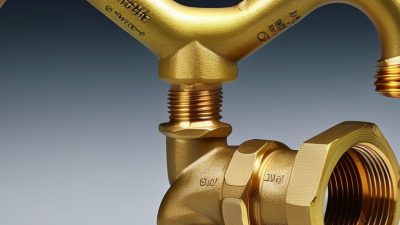

Key Standards, Materials, Sizes, and Connection Types

Top Female Threaded Elbow Suppliers for Global Buyers

Reliable female threaded elbow suppliers should state the exact thread standard, material grade, size range, and test method. Common standards include ASME B1.20.1 for NPT threads and ISO 7-1 or EN 10226 for pressure-tight pipe connections. These systems are not interchangeable. A fitting may appear suitable but still leak after installation.

Material selection depends on the fluid, temperature, pressure, and surrounding environment. Brass works well in many water and air systems, while stainless steel 304 offers stronger corrosion resistance. Stainless steel 316 is more suitable for chloride exposure and demanding process areas. Carbon steel can support higher mechanical loads, but it needs proper surface protection. Ask suppliers for heat numbers, material certificates, dimensional reports, and pressure-test records. Paperwork matters.

Sizes often range from 1/8 to 4 inches, with DN sizes used in many international projects. Confirm whether dimensions follow NPS, DN, or a custom drawing. Connection types may include female NPT, female BSPT, female BSPP, or metric threads. Sealing methods differ. Tapered threads may use approved sealant, while parallel threads usually require a gasket or sealing washer. Small details cause costly delays. In practical sourcing, one missing thread gauge record can weaken confidence in an otherwise capable supplier. I would also check batch consistency, because a polished sample does not prove stable production.

Top Female Threaded Elbow Suppliers for Global Buyers - Key Standards, Materials, Sizes, and Connection Types

Product Category Common Applicable Standards Typical Materials Nominal Size Range Thread and Connection Types Typical Applications Key Buyer Checks
Forged carbon steel 90° elbow ASME B16.11; ASME B1.20.1 for NPT threads ASTM A105 carbon steel NPS 1/8 to 4; Class 2000, 3000, or 6000 where specified Female NPT × female NPT; also available with male-female combinations Industrial piping, compressed air, oil and gas service, utility lines Confirm pressure class, heat treatment, material certificates, and thread gauge inspection
Forged stainless steel 90° elbow ASME B16.11; ASTM A182; ASME B1.20.1 ASTM A182 F304/F304L or F316/F316L stainless steel NPS 1/8 to 4; commonly Class 3000 or 6000 Female NPT; BSPT or BSPP may be supplied for regional requirements Chemical processing, food equipment, water treatment, marine and corrosive environments Select F316/F316L for improved resistance to chlorides; verify passivation and surface condition
Brass female threaded elbow Applicable national or regional product standard; ISO 7-1 or ASME B1.20.1 thread options Forged or machined brass, commonly copper-zinc alloy suitable for plumbing service DN6 to DN50; approximately 1/8 to 2 inches Female BSPT, female BSPP, or female NPT Potable water, heating systems, refrigeration, instrumentation and low-to-medium pressure service Check dezincification resistance, lead-content requirements, pressure rating, and water-contact approvals
Ductile iron threaded elbow ISO 49 or equivalent malleable/ductile iron fitting requirements; ISO 7-1 thread options Ductile iron with protective coating where required Typically DN8 to DN100; approximately 1/4 to 4 inches Female BSPT or other regionally specified tapered pipe threads Water, gas, fire-protection and general utility piping Verify coating type, corrosion protection, pressure class, dimensional conformity, and service medium
Socket-weld and female-thread combination elbow ASME B16.11; ASME B16.5 compatibility requirements where applicable Carbon steel, stainless steel, alloy steel, or nickel alloy NPS 1/8 to 4, depending on material and pressure class Socket-weld end × female NPT or other specified female thread High-integrity process lines, hydraulic systems and compact equipment assemblies Confirm weld-end bore, socket depth, thread form, material traceability, and non-destructive testing requirements
Sanitary stainless steel threaded elbow Material requirements based on ASTM A270 or project specification; thread standard specified separately 304/304L or 316/316L stainless steel Commonly 1/2 to 2 inches for equipment and process connections Female NPT, BSPP, or hygienic threaded connection according to system design Food, beverage, pharmaceutical and clean-process equipment Review internal finish, cleanability, dead-leg risk, elastomer compatibility, and sanitary documentation
Instrumentation mini elbow ASME B1.20.1, ISO 7-1, or ISO 228-1 according to the selected thread system 316 stainless steel, brass, or nickel-plated brass Typically 1/16 to 1/2 inch Female NPT, female BSPP, female BSPT, or metric female thread Pressure gauges, sensors, analytical instruments and control panels Check port size, leakage rate, pressure-temperature rating, burr-free passages, and dimensional tolerances
Low-temperature or alloy-steel elbow ASME B16.11; ASTM A350 or ASTM A182 material requirements as specified Low-temperature carbon steel, alloy steel, or nickel-containing grades NPS 1/8 to 4; pressure class selected for the design condition Female NPT or other approved tapered pipe thread Cryogenic support systems, low-temperature hydrocarbon service and demanding industrial piping Verify impact-test temperature, heat number traceability, hardness, pressure rating, and application limits
Buyer note: Threaded elbows should be selected by confirming the thread standard, nominal size, pressure class, material grade, temperature range, corrosion conditions, and applicable local approvals. Female pipe threads are not automatically interchangeable across NPT, BSPT, BSPP, ISO metric, and other thread systems.

How to Evaluate Female Threaded Elbow Suppliers

Top Female Threaded Elbow Suppliers for Global Buyers

How to Evaluate Female Threaded Elbow Suppliers

Evaluating female threaded elbow suppliers requires more than comparing prices. Check the material grade, thread standard, pressure rating, and operating temperature. A reliable supplier should provide technical drawings and test reports. Ask whether threads are inspected with calibrated gauges. Small errors can cause leaks during installation.

In practical sourcing work, I compare samples with drawings before approving a bulk order. Confirm the thread type, size range, wall thickness, and surface finish. Request material certificates with heat numbers and inspection dates. Production records should support traceability. Also review lead times, minimum order quantities, packaging, and export documentation. A polished catalog is not proof of manufacturing ability. I once overlooked carton protection, and several fittings arrived with damaged threads. That mistake changed my inspection checklist.

Tips: Request three samples from different production batches. Test thread fit with the matching connector. Check sealing faces under bright light. Ask for pressure-test procedures, not only final results. Verify whether inspections are performed internally or by an independent laboratory. Clear answers matter. Vague answers deserve caution. Supplier communication also reveals operational reliability, especially when specifications change. Leave room for rechecking; even experienced buyers can miss details in fast negotiations.

How to Evaluate Female Threaded Elbow Suppliers

A practical buyer-weighted framework for comparing suppliers of female threaded elbows. The percentages represent evaluation priorities rather than company or brand performance data.

Thread compatibility, material quality, pressure performance, dimensional consistency, certifications, delivery reliability, and total cost are key factors for global procurement decisions.

Leading Supplier Regions and Global Sourcing Considerations

Top Female Threaded Elbow Suppliers for Global Buyers

Leading Supplier Regions and Global Sourcing Considerations

East Asia remains a major sourcing region for female threaded elbows, supported by broad metalworking capacity and export infrastructure. South Asia is also competitive, especially for carbon steel and stainless steel fittings. European suppliers often offer stronger documentation, tighter process control, and specialized materials. North American sources can reduce delivery risk for regional projects. However, supplier location alone proves little.

UN Comtrade data under HS 7307 tracks iron or steel tube fittings, including elbows, sockets, and adapters. It does not isolate female threaded elbows. This limitation matters.

Buyers should not treat trade volume as direct proof of product leadership. UNCTAD reports that maritime shipping carries over 80% of global merchandise trade by volume, making port access and freight reliability important. The 2023 World Bank Logistics Performance Index also shows meaningful differences in customs efficiency and shipment reliability across sourcing countries.

Technical qualification should follow ASME B16.11, ISO 7-1, or the project’s required standard. Request material certificates, thread-gauge records, pressure-test evidence, and coating details. Inspect samples for clean threads, uniform wall thickness, and burr-free openings. A low quote can still be expensive. Hidden costs often appear through rework, delays, or incomplete documents. I would also compare two shipping seasons, not one. Data can look convincing while actual delivery performance remains uneven.

Quality Control, Certifications, Pricing, and Delivery Factors

Choosing top female threaded elbow suppliers requires more than comparing catalog photos. Experienced buyers inspect thread accuracy, wall thickness, and surface finish on production samples. A reliable supplier should provide material certificates, pressure-test records, and traceability from billet to packed fitting. Certifications matter, but their scope and validity must match the product and destination market. A certificate alone proves little.

Quality control should include thread gauges, dimensional checks, leak testing, and random batch inspection. Ask how rejected parts are separated and recorded. Small inconsistencies can cause costly installation delays. Pricing should include tooling, packaging, inspection, customs paperwork, and possible replacement costs. The lowest quotation is not always the best value. Sometimes, buyers discover this too late.

Delivery depends on alloy availability, production capacity, port schedules, and protective packaging. Request a realistic lead time, not an attractive promise. Confirm whether the supplier maintains safety stock and can share inspection photos before shipment. My own review process would include a pre-production sample, a signed specification, and an independent inspection for larger orders. It adds expense. It also exposes weak controls early.

Tips: Compare three detailed quotations. Verify certificate numbers independently. Check thread dimensions with calibrated gauges. Ask for a sample before approving volume production. Keep written records of every change.