What are the Benefits of Using Chromium Carbide Plate in Industry?
Chromium Carbide Plates have gained significant traction in various industrial applications due to their outstanding wear resistance and durability. According to a report by the Industrial Materials Review, industries utilizing Chromium Carbide Plates experience a reduction in maintenance costs by up to 30%. This remarkable efficiency makes these plates an attractive option for sectors such as mining, construction, and manufacturing.
Experts in the field, like Dr. Lisa Tran, a metallurgical engineer with over 15 years of experience, emphasize the importance of these materials. “The unique properties of Chromium Carbide Plates enhance equipment lifespan dramatically," she states. This reinforces the necessity for industries to incorporate advanced materials to stay competitive and efficient.
While the benefits are clear, some challenges exist. The initial investment in Chromium Carbide Plates can be higher than traditional materials. Companies must assess long-term gains against upfront costs. This opportunity prompts many to consider whether immediate savings overshadow long-term durability. As industries evolve, embracing such innovations could significantly impact their operational success.
Overview of Chromium Carbide Plate and Its Applications
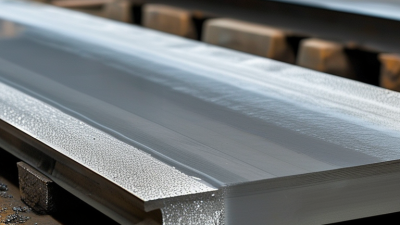
Chromium carbide plates are increasingly recognized in various industries for their remarkable durability. These plates consist of chromium and carbon, forming a robust compound. The inherent hardness makes them resistant to wear and abrasion, making them ideal for harsh environments. A recent industry report indicates that chromium carbide plates have a hardness rating of up to 1800 HV, significantly surpassing traditional steel plates. This exceptional property reduces maintenance costs and downtime in operations.
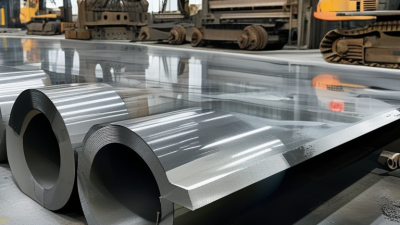
Common applications of chromium carbide plates include mining, oil and gas, and construction. They are often used for lining chutes, hoppers, and storage silos, effectively extending the lifespan of equipment. Furthermore, with the global market for advanced wear-resistant materials expected to reach $1.2 billion by 2026, the demand for such materials is on the rise. As industries seek to improve efficiency, the adoption of chromium carbide plates is likely to grow.
Despite their advantages, the installation of chromium carbide plates can present challenges. In some cases, improper welding techniques can lead to cracks or weakened joints. Additionally, while the upfront cost may be higher than traditional materials, the long-term savings on repairs and replacements often justify this investment. Careful consideration during the selection and application process is essential to maximize the benefits.
Key Properties of Chromium Carbide Plates in Industrial Use
Chromium carbide plates are known for their impressive durability and resistance to wear. In industrial settings, these plates serve as reliable linings for equipment subject to high abrasion. Their hardness can reach up to 1800 HV, surpassing carbon steel and certain types of ceramics. This high hardness allows for extended lifespan in harsh environments. According to industry studies, using chromium carbide plates can reduce wear-related downtime by up to 40%, which can significantly enhance productivity.
The thermal stability of chromium carbide is another key property. These plates can withstand temperatures up to 1000°C without degrading. This ability makes them suitable for use in high-temperature applications, such as furnaces and kilns. Furthermore, the oxide layer that forms on their surface upon exposure to air enhances their corrosion resistance. A report by a leading materials science journal indicates that chromium carbide plates exhibit superior resistance to oxidation compared to standard alloy steels. This resistance can be particularly beneficial in industries where chemical exposure is a concern.
While chromium carbide plates offer numerous advantages, they are not without limitations. For example, their brittleness can pose challenges during machining or welding. Improper handling can lead to cracks, questioning their utility in some scenarios. Additionally, the initial cost of chromium carbide plates can be higher than traditional materials. Therefore, careful assessment is necessary when considering them for specific industrial applications.
Benefits of Using Chromium Carbide Plate in Industry
Advantages of Using Chromium Carbide Plates for Wear Resistance
Chromium carbide plates are widely favored in various industries due to their exceptional wear resistance. These plates are engineered to withstand harsh environments. They are commonly used in applications like mining, construction, and heavy machinery. The hardness levels of chromium carbide provide an edge over ordinary materials.
The unique composition of chromium carbide enhances its ability to resist abrasion. This resilience means fewer replacements are needed, reducing overall costs. This durability is critical when machinery is exposed to constant wear and tear. Additionally, these plates can improve the efficiency of operations. However, it is important to consider the conditions in which they are used. Some environments may pose challenges to their performance.
While chromium carbide plates offer significant benefits, they are not without limitations. For example, their brittleness can be a concern under certain impacts. Proper installation is essential for maximizing their effectiveness. Users must also assess specific industry needs. Understanding these factors can lead to better long-term solutions.
Benefits of Using Chromium Carbide Plate in Industry
| Benefit |
Description |
Applications |
| High Wear Resistance |
Chromium carbide plates have exceptional hardness and durability, making them resistant to wear from abrasive materials. |
Mining, Construction, Material Handling |
| Cost-Effectiveness |
Due to their longevity, these plates reduce replacement frequency, leading to lower overall maintenance costs. |
Manufacturing, Heavy Equipment |
| Versatility |
Can be used in various forms and sizes, accommodating different industrial needs and applications. |
Bulk Material Handling, Processing Equipment |
| Thermal Stability |
Maintains its properties and strength at high temperatures, allowing for various applications in extreme conditions. |
Steelmaking, Boiler Components |
| Chemical Resistance |
Resistant to a wide range of chemicals, making it suitable for use in harsh environments. |
Chemical Processing, Waste Management |
Cost-Effectiveness of Chromium Carbide Plates in Manufacturing
Chromium carbide plates provide significant cost-effectiveness in manufacturing. They offer high wear resistance, extending equipment longevity. In industries like mining and construction, this is crucial. Research from industry analysts shows that using chromium carbide can reduce maintenance costs by up to 30%. This allows companies to allocate resources more efficiently.
The initial investment in chromium carbide plates might seem steep. However, their durability leads to long-term savings. Studies indicate that companies can achieve a return on investment within two to three years. For many manufacturers, this is a compelling reason to switch. Cost savings also include reduced downtime. Businesses save time and money by minimizing production halts.
Moreover, challenges remain. Not all applications benefit equally from these plates. Some environments may wear them down faster than expected. Companies need to conduct thorough assessments before implementation. Understanding the specific wear patterns can help in making informed decisions. Overall, chromium carbide plates can be a smart choice when evaluated carefully.
Comparison of Chromium Carbide Plates with Other Hard Material Options
Chromium carbide plates offer distinct advantages when compared to other hard materials such as tungsten carbide and ceramic options. For industries that require exceptional wear resistance, chromium carbide stands out due to its toughness and high hardness levels. Unlike ceramics, which can be brittle, chromium carbide provides both strength and durability, making it ideal for harsh environments.
Another critical point is the cost-effectiveness of chromium carbide. While tungsten carbide offers excellent wear resistance, it comes with a higher price tag. This makes chromium carbide a more budget-friendly choice for many applications, especially in mining and manufacturing. However, the longevity and performance of each material can vary depending on the specific conditions of use.
It's essential to reflect on the trade-offs involved. For instance, ceramic materials may be better suited for certain abrasive environments due to their lower weight. Additionally, installing and handling heavier chromium carbide plates can be challenging. Therefore, knowing the specific requirements of your application is crucial for making informed decisions about material selection.