How to Choose the Best Chromium Carbide Plate for Your Needs?
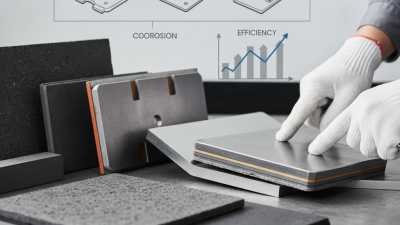
Choosing the right Chromium Carbide Plate for your applications can be challenging. With various options available, understanding the key features is crucial. This guide helps you navigate the selection process, ensuring you find the plate that fits your needs.
Chromium Carbide Plates are known for their strength and durability. They resist wear and abrasion, making them ideal for harsh environments. However, not all plates are created equal. Factors like thickness, hardness, and surface treatment can greatly influence performance. Understanding these aspects allows you to make an informed decision.
Consider your specific requirements carefully. What is the intended application? Are you working in mining, construction, or manufacturing? Each industry has unique demands. Additionally, rely on reputable suppliers who can offer guidance. Their expertise can help you avoid costly mistakes, ensuring you select the best Chromium Carbide Plate for your situation.
Understanding Chromium Carbide Plates and Their Applications
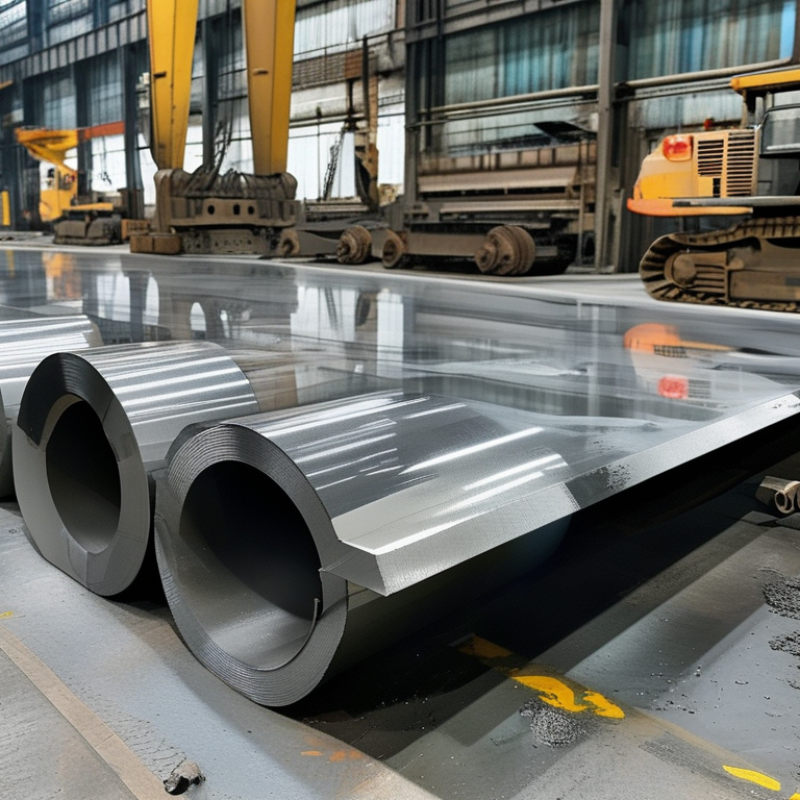
Chromium carbide plates are vital in industries needing robust wear resistance. These plates consist of chromium and carbon, offering exceptional hardness and durability. They excel in high-temperature environments, making them ideal for mining, construction, and manufacturing. For instance, studies indicate that chromium carbide plates can endure wear rates up to 35 times better than traditional steel in harsh conditions.
Understanding their applications is key. For example, when installed in chutes, hoppers, and liners, these plates significantly extend equipment life. Reports show that effective use of chromium carbide coatings can lead to reduced maintenance costs, sometimes by as much as 60%. However, improper selection or installation can negate these benefits. The thickness of the plate, the composition ratios, and operational conditions must all align for optimal performance.
One must also consider the limitations. While chromium carbide plates are resistant to abrasion, they can be brittle under certain impact conditions. Users must assess their specific needs and potential challenges. A well-informed decision can lead to substantial long-term savings and performance improvements, but it requires careful thought and understanding of both the material and application.
Identifying Your Specific Needs for Chromium Carbide Plates
Identifying your specific needs for chromium carbide plates involves understanding their key properties and applications. Chromium carbide plates are known for their exceptional wear resistance, which makes them suitable for industries like mining and steel production. A recent industry report indicated that these plates can withstand abrasive environments, extending the lifespan of equipment by up to 30%.
Consider the operating conditions where the plates will be used. High-impact areas may require thicker plates, while less severe conditions might allow for lighter options.
Another important factor to evaluate is the temperature resistance of the plates. Some applications expose materials to extreme heat. According to research, chromium carbide can perform well at temperatures exceeding 1000 degrees Fahrenheit. However, this property may not be necessary for all scenarios.
Understanding the specific thermal and mechanical stresses is crucial for selecting the right material.
Ultimately, even with all the data available, each application has unique challenges. The wear patterns can vary significantly based on the type of materials being processed. Regular assessment may be needed to ensure optimal performance.
Make sure to involve professionals who can provide insights tailored to your specific situation. This will help you navigate the complexities and find a solution that truly meets your needs.
Evaluating Key Factors: Thickness, Size, and Composition
When selecting a chromium carbide plate, key factors like thickness, size, and composition are vital. The thickness of the plate directly affects its durability and wear resistance. Thicker plates often provide better protection against wear. However, they may be heavier and more challenging to handle. Consider your specific application needs when determining the optimal thickness.
Size is another essential aspect. The plate must fit your equipment or project requirements. A plate that is too large can lead to unnecessary waste and complexity. Conversely, a plate that is too small may not provide adequate protection. Measure your area carefully to ensure a proper fit.
**Tips:** Always consult with experts in the field. Their insights can help you avoid costly mistakes. Assess your long-term needs, not just immediate requirements. A well-chosen plate can save resources over time. Keep in mind that composition also matters. Different grades offer varied properties, affecting performance under different conditions. Consider your operational environment when choosing the right composition.
Comparing Manufacturers and Products for Quality and Performance
When selecting a chromium carbide plate, it's essential to examine the manufacturers thoroughly. Not all products offer the same quality or performance. Research each manufacturer’s history in the industry. Look for their experience and reputation among users. Details about the materials used can often be found in product specs.
Comparing product performance is necessary. Check for wear resistance and hardness ratings, which significantly impact longevity. User reviews may provide insight into the real-world performance of the products. Pay attention to feedback on durability to understand how these plates stand up in various conditions.
Tips: Prioritize companies with transparent testing procedures. Ensure they publish data on their quality control. It’s wise to seek advice from professionals in the field. They can share firsthand experiences that can guide your decision. Consider reaching out to previous customers for their opinions. Getting diverse perspectives can highlight what you need to reflect on when making your choice.
Budget Considerations: Cost vs. Value in Chromium Carbide Plates
When choosing a chromium carbide plate, cost and value are essential factors. It's tempting to go for the cheapest option, but lower prices may lead to subpar durability. High-quality plates offer better wear resistance, which can save you money in the long run. A plate that lasts longer reduces replacement costs and downtime.
Tips: Always consider long-term use. Calculate how often you need to replace lower-quality options. Investing in a robust plate can enhance productivity. Take note of specific project needs. If you require a plate for high-impact applications, prioritize durability over initial savings.
Keep in mind that price is not the only factor. Evaluate the features of each plate. Thickness, weight, and manufacturing methods can influence performance. A well-rounded assessment ensures you get the best value. Review multiple vendors for pricing variations, but don’t overlook quality indicators. Sometimes, higher prices reflect superior engineering and expertise.
How to Choose the Best Chromium Carbide Plate for Your Needs? - Budget Considerations: Cost vs. Value in Chromium Carbide Plates
| Plate Thickness (mm) |
Dimension (mm) |
Cost per Plate ($) |
Wear Resistance (Rating) |
Expected Lifespan (hrs) |
| 6 |
1000 x 1000 |
150 |
8 |
400 |
| 10 |
1500 x 3000 |
250 |
9 |
600 |
| 12 |
2000 x 1000 |
350 |
10 |
800 |
| 15 |
3000 x 1500 |
500 |
10+ |
1000 |