The Best Seamless Boiler Tubes for Optimal Performance and Durability?
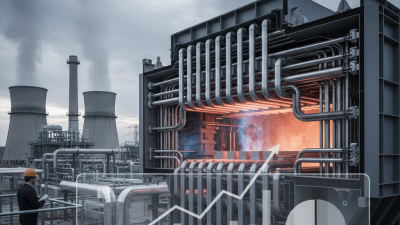
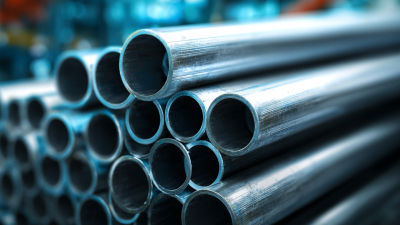
In the realm of industrial applications, the selection of the right equipment is crucial. Seamless Boiler Tubes stand out for their performance and reliability. These tubes are designed to withstand high pressure and temperature, making them ideal for boiler systems.
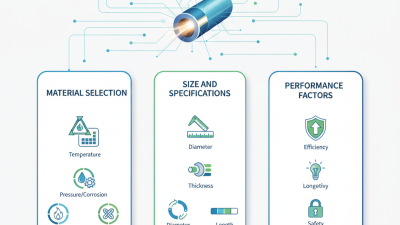
Quality matters when choosing Seamless Boiler Tubes. The material, production process, and finishing affect durability and efficiency. A smaller manufacturing defect can lead to significant issues, impacting overall system performance. Understanding these aspects is essential for anyone involved in boiler maintenance or installation.
Investing in high-quality Seamless Boiler Tubes ensures safety and longevity. However, not all manufacturers meet the same standards. Researching and evaluating options can feel overwhelming. It’s important to seek expert opinions and reviews. Taking the time to make informed decisions can prevent costly mistakes and enhance operational efficiency.
Overview of Seamless Boiler Tubes and Their Importance
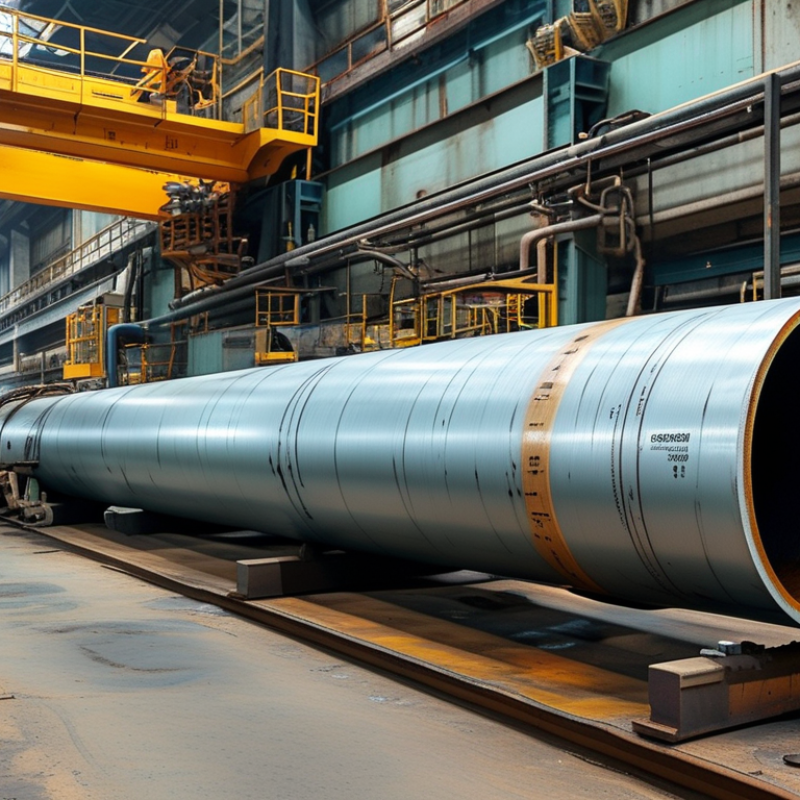
Seamless boiler tubes play a crucial role in the efficiency and longevity of power plants and heating systems. Unlike welded tubes, seamless tubes offer superior structural integrity. They are manufactured through a process called extrusion, which ensures uniformity and strength throughout the material. According to a report from the International Energy Agency (IEA), the use of seamless tubes can lead to a 10% increase in overall thermal efficiency.
These tubes are designed to withstand high temperatures and pressures, making them ideal for boiler applications. Data from the American Society of Mechanical Engineers (ASME) indicates that seamless tubes reduce the risk of failure by up to 30% compared to welded alternatives. However, despite their advantages, seamless tubes can be more costly. This cost difference can lead some manufacturers to opt for cheaper welded options, sometimes compromising long-term durability for short-term savings.
Using seamless boiler tubes is not without its challenges. The initial investment may deter some companies, as production requires advanced technologies. Issues like material defects can occur during manufacturing, which necessitates thorough inspections. Regular maintenance and careful selection of materials are key to ensuring the optimal performance of seamless tubes in demanding environments. Each application has unique requirements that must be considered to avoid potential pitfalls.
The Best Seamless Boiler Tubes for Optimal Performance and Durability
| Specification |
Description |
Material |
Application |
Diameter (mm) |
Thickness (mm) |
| A213 T5 |
High temperature service |
Alloy Steel |
Power Plants |
25 - 100 |
3 - 10 |
| A335 P91 |
High strength, creep-resistant |
Alloy Steel |
Industrial Boilers |
20 - 90 |
4 - 15 |
| A213 T22 |
Steam service |
Alloy Steel |
Power Generation |
30 - 120 |
2.5 - 12 |
| A106 Gr B |
For high-pressure applications |
Carbon Steel |
Construction |
20 - 80 |
3 - 8 |
| A335 P5 |
Intermediate temperature service |
Alloy Steel |
Chemical Processing |
30 - 100 |
2 - 10 |
Key Materials Used in Manufacturing Seamless Boiler Tubes
Seamless boiler tubes are crucial for ensuring efficiency in high-pressure applications. The performance of these tubes largely relies on the materials used in their manufacturing. Common materials include carbon steel, alloy steel, and stainless steel. Each of these materials possesses specific qualities that influence the tube's durability and performance.
Carbon steel is often favored for its high tensile strength and cost-effectiveness. Reports indicate that carbon steel tubes can withstand temperatures up to 650°C, making them suitable for various boiler applications. However, they may be prone to corrosion over time, especially in high-moisture environments. Alloy steel, on the other hand, is known for its ability to resist oxidation and can perform well in extreme conditions. It is often used where high-temperature capabilities are essential.
Stainless steel tubes offer excellent corrosion resistance and durability. According to industry data, stainless steel can maintain structural integrity even at temperatures exceeding 800°C. However, these tubes can be more expensive, leading to budgetary considerations. Users should reflect on these trade-offs to select the best material for their needs. The right choice can significantly enhance the lifespan and efficiency of boiler systems.
Factors Influencing Performance and Durability of Boiler Tubes
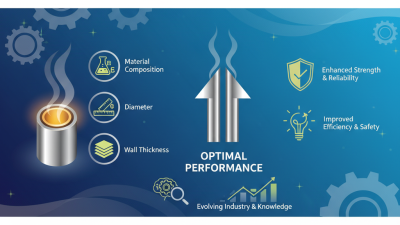
Boiler tubes are critical in maintaining optimal performance and durability in energy systems. The selection of seamless boiler tubes significantly affects efficiency and safety. Several factors influence their performance and longevity, including material composition, wall thickness, and operating temperature.
High-quality materials like carbon steel and alloy steel are essential. They should meet specific thickness standards, ensuring they can withstand high pressure without deformation. According to recent industry reports, tubes with a minimum wall thickness of 10mm demonstrate higher resistance to thermal fatigue. The tube's microstructure plays a vital role too; fine-grained materials help reduce brittleness.
Tip: Regular inspections can detect early signs of wear and tear. This proactive measure can extend the life of boiler tubes significantly.
Operating temperature and pressure must also be carefully considered. Each application has unique challenges. For instance, tubes in superheated environments require advanced alloys that can withstand higher stress. Reports indicate a performance drop of up to 30% when tubes aren’t rated for their specific applications.
Tip: Maintaining a clean system prevents corrosion and scale build-up, enhancing durability. Remember, small changes can lead to significant improvements over time.
Top Brands and Models for Reliable Seamless Boiler Tubes
When it comes to seamless boiler tubes, performance and durability are crucial. A recent industry report indicates that seamless boiler tubes offer better tensile strength due to their manufacturing process. Unlike welded alternatives, they endure extreme conditions without the risk of weld failure. This speaks to their reliability in high-pressure environments, often reaching temperatures up to 600°C.
Several manufacturers are known for their high-quality seamless boiler tubes. They utilize advanced materials like alloy steel, which enhances durability. Reports show that using these tubes can lead to a 20% increase in efficiency. However, installation and maintenance are vital. Poor installation can offset the advantages of high-quality materials. Users must remain vigilant during the maintenance phase, as neglect can lead to premature failures.
While many reputable brands dominate the market, user experiences vary. Some customers report premature deterioration, indicating that not all models meet expectations. Understanding these nuances is essential for making informed decisions. Experts recommend thorough research before purchasing. Each model has its strengths and weaknesses, making it imperative to choose wisely.
The Performance and Durability of Seamless Boiler Tubes
This chart illustrates the performance metrics of seamless boiler tubes, focusing on crucial factors such as tensile strength, yield strength, hardness, and corrosion resistance, which are essential for ensuring optimal performance and durability in various industrial applications.
Maintenance Tips for Ensuring Longevity of Seamless Boiler Tubes
Maintaining seamless boiler tubes is crucial for performance and durability. Regular inspection is essential. Look for any signs of wear, corrosion, or fatigue. Frequent visual checks can help catch issues early. Small problems can escalate if ignored. Use a thickness gauge to monitor material loss over time.
Proper cleaning methods also play a key role. Use appropriate chemicals to remove deposits without damaging the tubes. High-pressure water jets may help, but ensure they don’t cause surface stress. Schedule cleaning sessions regularly, especially in high-use environments.
Additionally, pay attention to operating conditions. Excessive pressure fluctuations can lead to material fatigue. Maintain stable temperatures throughout operation. This not only enhances performance but also extends the life of the tubes. Always follow best practices to avoid costly replacements in the future. Even with routine care, some boiling tubes may still fail unexpectedly. Continuous assessment is the best way to mitigate risks.