Top 10 Left Handed Anchor Rod Suppliers Worldwide
Left-Handed Anchor Rod procurement is becoming more demanding as infrastructure projects require traceable, corrosion-resistant, and accurately threaded components. Recent construction fastener studies from Grand View Research and MarketsandMarkets identify infrastructure development, industrial expansion, and stricter quality control as major market drivers. Their findings also show a practical concern: market growth does not guarantee consistent product quality. Regional standards, testing capacity, and supplier experience still vary widely.
This guide examines the Top 10 Left-Handed Anchor Rod Suppliers Worldwide through an engineering-focused lens. Selection factors include material grades, thread accuracy, coating systems, production tolerances, inspection records, delivery capability, and compliance with ASTM F1554, ASTM A354, ISO 898-1, AISC 360, and EN 1992-4 where applicable. Traceability matters. Small errors compound.
Dr. R. E. Klingner, a widely cited anchor-design researcher, emphasized a central engineering principle: “Anchor design is not simply a steel problem; it is a concrete problem too.” That observation remains important when evaluating left-handed assemblies, especially in constrained structural connections, replacement work, and specialized equipment foundations. Supplier rankings can simplify purchasing, but they cannot replace project-specific verification. A catalog may show impressive strength values. Actual performance also depends on embedment, installation torque, concrete condition, and inspection discipline. This review therefore combines supplier capability with technical evidence, while recognizing one limitation: public company data is not equally detailed across every region.
Left-Handed Anchor Rods: Design, Uses, and Identification
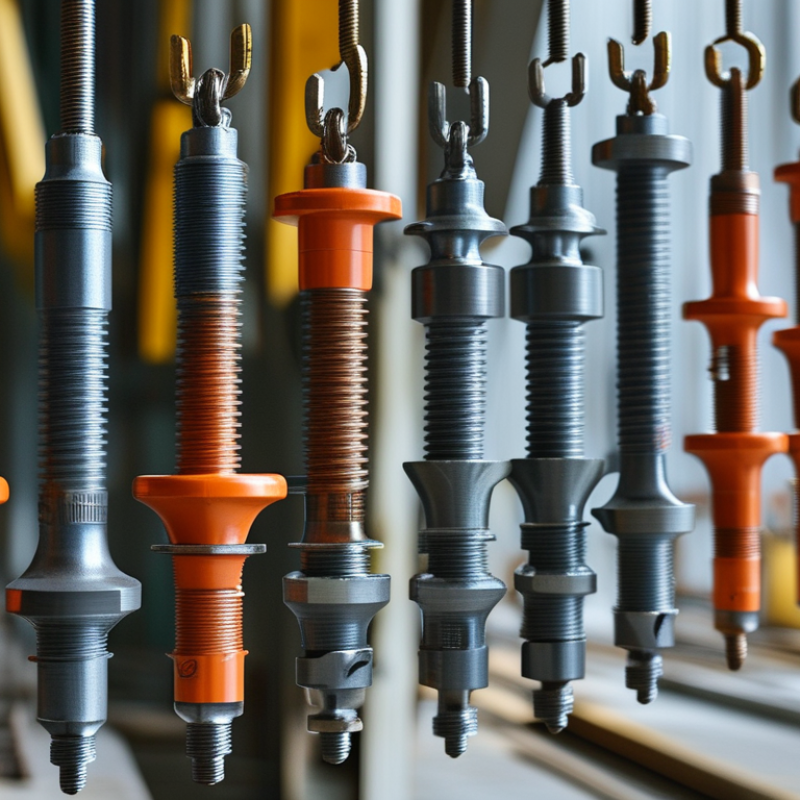
Left-handed anchor rods use a thread that tightens counterclockwise. This reverses the familiar right-hand thread and prevents loosening in selected rotating or vibrating assemblies. The design still depends on diameter, pitch, steel grade, embedment depth, and projected loads. A reversed thread does not compensate for poor anchorage.
The 2024 construction fasteners market assessment estimated the wider market at about USD 80 billion in 2023, with continued growth through 2030. Anchor rods represent only one segment, so this figure should not be treated as their market size. In practice, engineers specify left-handed rods for machinery bases, tensioning systems, paired adjustment devices, and applications where rotation could release a standard nut. Installation drawings must show thread direction clearly.
Identification requires more than checking the rod’s appearance. View the end of the thread and confirm its helix rises toward the left. A matching nut should engage smoothly without force. Thread gauges, supplier certificates, and a controlled fit test provide stronger evidence. Check the pitch as well.
That is not enough.
Inspect markings, coating condition, weld proximity, and damaged first threads before installation. ISO 898-1 helps evaluate mechanical properties for many threaded steel components, but project specifications may require additional anchor-rod testing. Field teams sometimes assume an unusual nut is defective. That assumption can cause expensive rework. Direction, grade, dimensions, and installation torque should be recorded together.
Top 10 Left-Handed Anchor Rod Suppliers Worldwide
Choosing the top ten left-handed anchor rod suppliers worldwide requires more than comparing prices. Reliable suppliers understand reverse-thread applications, compatible nuts, installation direction, and load requirements. Their product data should identify thread diameter, pitch, steel grade, coating, and allowable working load.
Experienced buyers should request inspection reports, material certificates, and batch traceability. A strong supplier can explain how rods are rolled, cut, heat-treated, and tested. Clear drawings also matter. A left-handed rod with the wrong thread pitch may look correct but fail during assembly. Regional production capacity, export packaging, and response time can influence project risk. Supplier rankings should remain flexible because performance varies by order size and application.
Tips: Confirm the thread direction with a physical sample before production. Request close-up photos of thread ends and markings. Check whether nuts are supplied or tested with the rods. Store rods above damp floors, especially when zinc-coated surfaces may be scratched. Ask for replacement procedures when dimensions fall outside tolerance. Small details matter.
One practical concern is that online specifications are not always complete. I have seen impressive load figures without test conditions or safety factors. That should invite questions, not trust. A dependable supplier welcomes technical review and provides evidence without hiding manufacturing limitations. This approach creates a more credible top-ten shortlist for construction, industrial framing, and specialized support systems.
Supplier Comparison by Materials, Production, and Market Coverage
Top 10 Left Handed Anchor Rod Suppliers Worldwide
Supplier comparison should begin with materials, not catalog size. Carbon steel rods suit general anchoring and offer practical cost control. Alloy steel performs better where higher tensile strength and repeated loading matter. Stainless steel resists corrosion near coastal sites, though its price is usually higher. Ask for mill certificates, heat numbers, and verified mechanical test results. Small details matter.
Production capability separates reliable suppliers from simple traders. Thread rolling can create consistent left-hand threads and reduce surface damage. Thread cutting remains useful for custom sizes and limited batches. Check heat-treatment records, thread gauges, coating thickness, and final dimensional reports. A supplier with in-process inspection is easier to audit. Packaging also deserves attention; damaged threads can delay installation. I have seen comparisons overlook this point.
Market coverage involves more than shipping to many countries. Strong suppliers understand regional diameter systems, thread standards, labeling rules, and import documentation. Their export teams should provide clear lead times, pallet details, and replacement procedures. Technical support is valuable when drawings change or installation crews face unfamiliar thread direction. However, broad coverage does not always mean consistent service. Capacity may vary between factories or seasons. A careful buyer should compare sample quality, production transparency, response speed, and after-sales records before ranking the top ten.
Materials
The benchmark uses ASTM F1554 carbon-steel anchor rod grades 36, 55, and 105. Stainless and alloy-steel options are also used when corrosion resistance or higher strength is required.
Production
Typical production includes bar or wire forming, cutting, thread rolling or cutting, heat treatment where specified, galvanizing, and inspection. Left-hand threading changes thread direction, not the grade’s mechanical requirements.
Market Coverage
These anchor rod grades are commonly specified for structural steel, equipment foundations, utility infrastructure, industrial plants, and general construction applications.
The chart compares minimum mechanical properties published for ASTM F1554 carbon-steel anchor rods. Values are shown in ksi; no company or brand data is included.
Purchasing Factors for International Anchor Rod Buyers
Top 10 Left Handed Anchor Rod Suppliers Worldwide
Purchasing Factors for International Anchor Rod Buyers
Choosing a left handed anchor rod requires more than comparing unit prices. Thread direction must match the installed nut and connected hardware. A small mismatch can stop assembly completely. Confirm thread diameter, pitch, length, steel grade, coating, and tolerance before requesting quotations. Experienced buyers should also ask for drawings, inspection records, and sample measurements. Supplier capability matters. A reliable manufacturer can explain production controls, packaging methods, and shipment protection clearly. Vague answers deserve caution.
Tips: Request one physical sample before mass production. Check thread direction by hand. Ask for a dimensional report and material certificate. Compare quoted specifications line by line, not only the final price. Also verify production capacity during your required delivery window. A low-cost offer may hide tooling charges, weak packaging, or inconsistent galvanizing. That mistake becomes expensive.
International purchasing adds practical risks. Confirm export documents, payment terms, loading ports, and responsibility for damaged goods. Corrosion protection should suit the installation environment, especially near saltwater or heavy humidity. Ask whether custom markings and batch tracking are available. These details support traceability when field problems appear. Independent inspection can improve confidence, though it adds time and cost. I have found that perfect specifications rarely exist; buyers sometimes accept unclear tolerances to meet a deadline. That decision should be recorded, reviewed, and approved by the engineering team. Reliability is built through evidence, not confident promises.