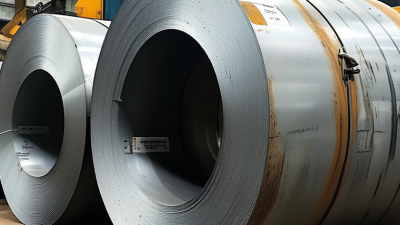
What is Wear Resistant Steel and Why is it Essential?
Wear Resistant Steel is a critical material in various industries, particularly in mining and construction. Dr. Sarah Thompson, a leading expert in metallurgy, states, “The durability of Wear Resistant Steel can significantly reduce maintenance costs.” This illustrates the vital role it plays in enhancing equipment life.
The unique properties of Wear Resistant Steel make it an essential choice for applications facing heavy abrasion and impact. It is designed to withstand extreme conditions, ensuring safety and efficiency. Industries often rely on this steel to ensure optimal performance and lower downtime.
However, there are challenges with its application. Selecting the right type of Wear Resistant Steel requires careful consideration. Not all environments benefit equally from its use. Proper knowledge and expertise are crucial for achieving the desired outcomes. Understanding these nuances can help businesses make informed decisions. As demand for this material grows, so does the importance of expertise in its proper application.
Definition and Characteristics of Wear Resistant Steel
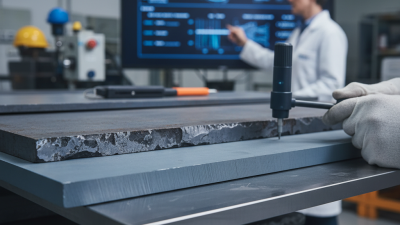
Wear resistant steel is a specialized material designed to withstand wear from friction and impact. It is essential in industries such as construction, mining, and manufacturing. The unique properties of this steel come from its specific composition, often containing high levels of chromium, manganese, and carbon. This combination increases durability and improves resistance to abrasive wear.
According to industry reports, wear resistant steel can extend the life of machinery by up to 200%. For example, heavy equipment parts made from this material can remain functional much longer than those made from standard steel. This results in lower replacement costs and reduced downtime, which can be significant in heavy industries.
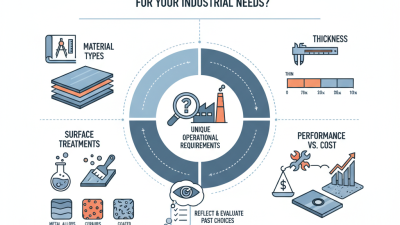
Selecting the right type of wear resistant steel is crucial. Not all applications require the same level of hardness or toughness. Understanding the specific wear conditions helps in making informed choices. Ensure to analyze the environment where the steel will be used. Factors such as temperature, type of wear, and more should drive your decision. Investing in high-quality materials is often more cost-effective in the long run, despite the initial investment.
Applications of Wear Resistant Steel in Various Industries
Wear resistant steel plays a crucial role in various industries due to its durability and strength. Common applications include mining, construction, and manufacturing. According to a report from Research and Markets, the global demand for wear resistant materials is expected to reach over $16 billion by 2025. This demand highlights the importance of optimizing equipment to withstand wear and tear.
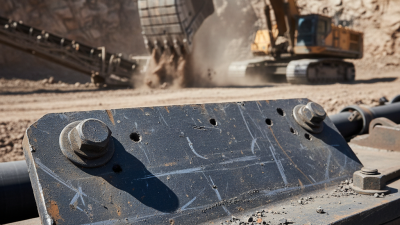
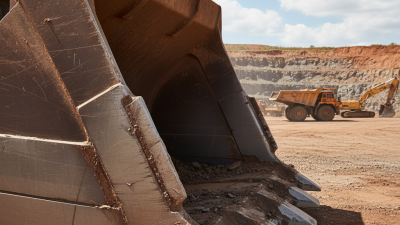
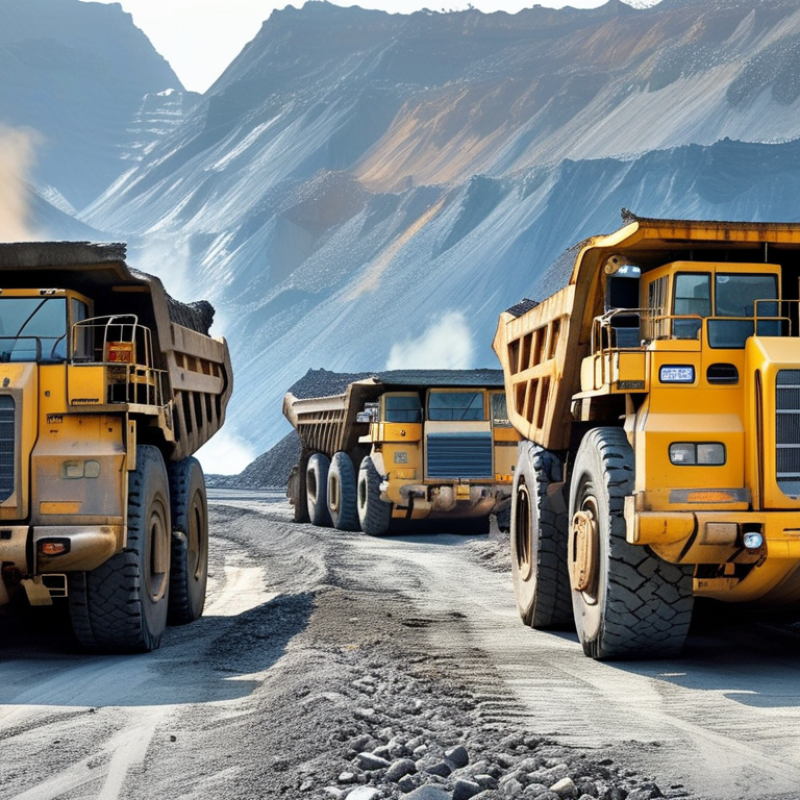
In mining and excavation, wear resistant steel protects machinery from abrasive materials. The extreme working conditions in these environments can lead to substantial equipment failure. A survey by the Mining Industry Association indicated that nearly 30% of operational costs are related to equipment maintenance. Using wear resistant steel significantly reduces these costs.
Tips for selecting wear resistant steel involve considering the specific application. Assess the type of materials your equipment will encounter. Evaluate the hardness and toughness required for your operations. In construction, for example, select steel that can endure impact from heavy machinery. Always factor in potential wear patterns to enhance lifespan. Investing in high-quality wear resistant steel is beneficial, but overestimating its capabilities can lead to premature failures.
Advantages of Using Wear Resistant Steel Over Conventional Steel
Wear resistant steel offers several advantages over conventional steel. Its unique composition enhances durability, making it ideal for heavy-duty applications. In environments where machinery undergoes intense wear, this material can significantly extend service life. Construction and mining industries frequently benefit from wear resistant steel. Its ability to withstand abrasive materials contributes to lower maintenance costs and less downtime.
Unlike conventional steel, wear resistant steel can handle higher impacts. This is crucial in operations with heavy machinery. The increased toughness allows for fewer replacements and repairs. Many industries face the challenge of ensuring efficiency and safety. Using wear resistant steel can reduce risks associated with equipment failure.
Yet, not every application needs wear resistant steel. Some projects may find traditional steel sufficient for their needs. It's essential to assess the specific demands of each situation carefully. The selection process requires consideration of both cost and performance. Sometimes, conventional steel may seem easier to work with. However, the long-term benefits of wear resistant steel often outweigh these initial concerns.
Factors Influencing the Selection of Wear Resistant Steel Grades
Selecting the right grade of wear-resistant steel involves multiple factors. First, the specific application plays a crucial role. Different environments, such as mining or construction, demand varying levels of hardness and toughness. For instance, data from the American Foundry Society shows that higher hardness can lead to better wear resistance. However, if toughness is sacrificed too much, the material may be prone to cracking.
Additionally, the type of wear encountered must be considered. Abrasive wear, impact wear, and corrosion all require different steel properties. A report by the International Journal of Materials Research indicates that materials subjected to high-impact conditions benefit from a balance between hardness and ductility. Selecting a grade that offers both properties ensures longer life cycles.
Finally, costs and availability should not be overlooked. While high-performance steels may provide superior wear resistance, their cost can be significant. Balancing budget constraints with technical needs is vital. A study published in the Journal of Mechanical Science and Technology urges manufacturers to assess long-term costs rather than upfront expenses. This reflection can lead to better investment decisions in wear-resistant materials.
Maintenance and Longevity of Wear Resistant Steel Components
Wear resistant steel is crucial in industries where components face severe wear and tear. These materials are formulated to enhance durability and reduce maintenance costs. Research shows that implementing wear resistant steel can lead to a 30% reduction in replacement frequency for essential parts. This extended lifespan is vital for machinery that operates continuously under heavy loads.
Regular maintenance of wear resistant steel components can significantly enhance their longevity. Proper inspection and timely lubrication play a crucial role in maintaining these materials. According to industry studies, neglecting maintenance can shorten the lifespan of components by up to 50%. Ensuring that these parts remain free of contaminants can prevent premature failure. Implementing predictive maintenance strategies can also mitigate risks and enhance reliability.
Investing in wear resistant steel is only part of the equation. Companies must foster a culture of maintenance and monitoring. Utilizing advanced technologies such as IoT sensors can provide real-time data on wear patterns. However, it's essential to recognize the limits of these systems. Understanding that not all wear can be predicted is key. Balancing investment in materials and maintenance practices is necessary for optimum performance.
Wear Resistant Steel Components Longevity
Wear resistant steel is crucial in extending the longevity of various industrial components. This chart illustrates the average lifespan of multiple equipment types that utilize wear resistant steel, showcasing its importance in enhancing durability and reducing maintenance costs.