2026 Top Metal Stamping Parts for Global Buyers?
In the world of manufacturing, Metal Stamping Parts play a crucial role. These components are essential in various industries, including automotive, electronics, and appliances. The demand for metal stamping parts continues to grow globally, as companies seek reliable suppliers.
Understanding the latest trends in metal stamping is vital for buyers. By 2026, advancements in technology and materials will influence production techniques. Buyers should not only focus on cost but also on the quality and durability of the components. Identifying reputable manufacturers is key, as is acknowledging the importance of sustainable practices.
However, navigating the market can be challenging. Buyers might encounter difficulties in sourcing high-quality parts at competitive prices. Reflection on current supplier relationships could reveal gaps in efficiency. Engaging with experienced vendors can provide insights into best practices and innovation in metal stamping. Ultimately, making informed decisions will lead to better outcomes in sourcing metal stamping parts.
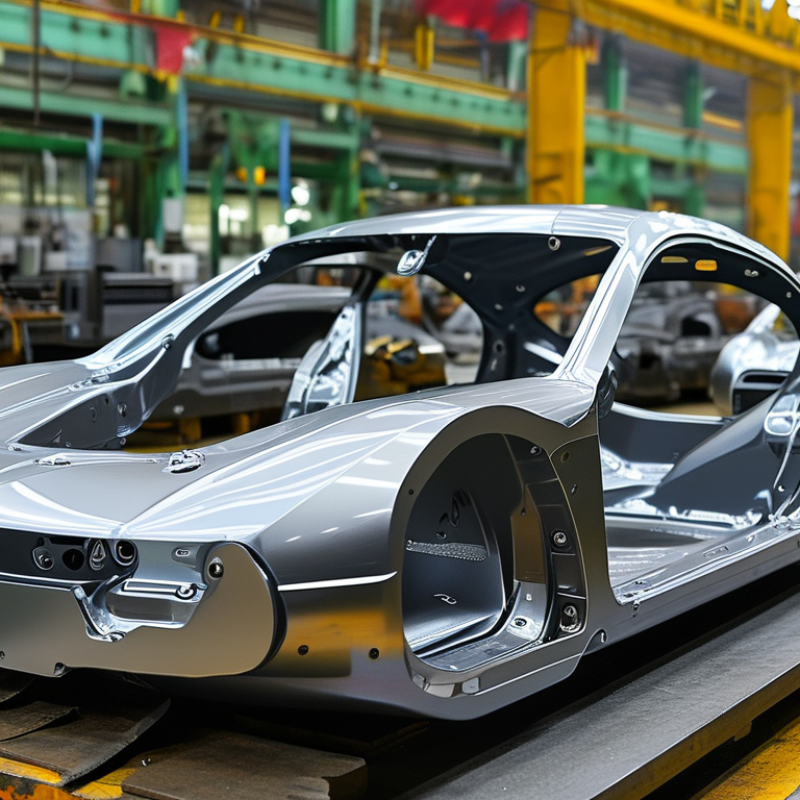
Overview of Metal Stamping Parts in 2026
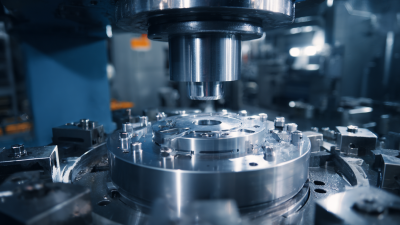
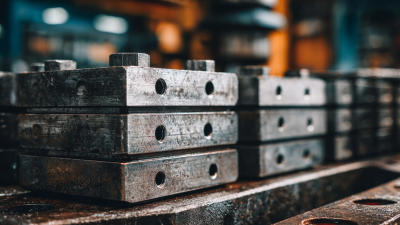
Metal stamping is an essential manufacturing process in 2026. It allows for the mass production of precise components used in various industries. These parts range from automotive components to electronic housings. As manufacturers focus on efficiency, the demand for high-quality stamped parts has surged. Companies are now investing in advanced stamping technologies, ensuring better accuracy and faster production times.
This year, the trends indicate a shift towards sustainable materials. More buyers are seeking options that minimize environmental impact. Innovations in metal stamping processes contribute to this goal. For instance, recycled metals are gaining popularity. However, challenges remain. Not all manufacturers can easily transition to new materials. This can impact production costs and timelines. Additionally, maintaining quality while using different materials requires expertise and constant quality checks.
Buyers should consider these factors when sourcing metal stamping parts. Understanding the complexities of modern manufacturing will ensure successful partnerships. The landscape is evolving rapidly. Keeping abreast of changes is crucial for informed decision-making. As demand grows, so does the need for reliable suppliers who can deliver quality consistently.
Key Trends Influencing Metal Stamping Industry
The metal stamping industry is evolving rapidly. Key trends are shaping its future landscape. First, automation and advanced technologies are making a significant impact. Automated stamping processes enhance precision and efficiency. This creates a demand for skilled operators who can manage advanced machinery.
Sustainability concerns are another trend. Companies are increasingly focusing on eco-friendly practices. Using recyclable materials and reducing waste is now a priority. However, some manufacturers still struggle with implementing these changes. Costs and logistics can pose challenges.
The market is also influenced by global supply chains. Events like the pandemic highlighted vulnerabilities. Manufacturers are reassessing their sourcing strategies to ensure resilience. This shift encourages local partnerships, but it might also raise production costs. Overall, these trends show a clear direction toward innovation and sustainability in metal stamping.
2026 Top Metal Stamping Parts for Global Buyers
| Part Type |
Material |
Application |
Market Growth Rate (%) |
Geographic Demand |
| Brackets |
Steel |
Automotive |
5% |
North America, Europe |
| Covers |
Aluminum |
Consumer Electronics |
7% |
Asia-Pacific, North America |
| Clips |
Stainless Steel |
Aerospace |
4% |
North America, Europe |
| Chassis |
Carbon Steel |
Automotive |
6% |
Asia-Pacific, Europe |
| Spacers |
Brass |
Construction |
3% |
North America, Middle East |
Top Metal Stamping Materials and Their Applications
Metal stamping is a critical process in manufacturing. It involves shaping metal sheets into desired forms. Understanding the right materials enhances product quality and performance.
Common materials include steel, aluminum, and copper. Steel is known for its strength and durability. Aluminum is lightweight, making it ideal for applications in transportation industries. Copper, while more expensive, offers excellent electrical conductivity. Each material has distinct advantages and limitations.
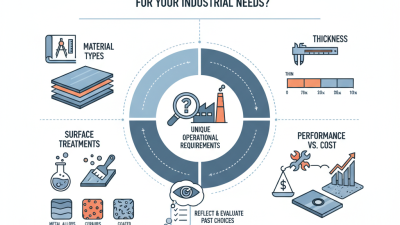
Choosing the right material requires careful consideration. Factors include application, cost, and desired performance. Not every project may benefit from the same metal choice. Overlooking material properties can lead to product failures. Reflecting on past projects often reveals room for improvement. Balancing cost and quality remains an essential challenge in metal stamping.
Leading Global Suppliers of Metal Stamping Parts
In the metal stamping industry, finding reliable suppliers is crucial for global buyers. Many suppliers offer a range of parts for diverse applications, from automotive components to electronic devices. Quality assurance and technical expertise are essential factors to consider. Buyers often need precision parts, requiring suppliers to adhere to strict tolerances and standards.
Tips: Always check supplier certifications. Look for
ISO compliance to ensure quality. Effective communication can prevent costly errors. Ask for samples before placing large orders.
Global buyers must understand the importance of researching
multiple suppliers. Not every supplier is suited to specific needs. Some companies may excel in
high-volume production, while others specialize in
custom designs. Evaluating capabilities can lead to better partnerships. The evolving landscape often presents challenges, such as
fluctuating material costs and
delivery timelines.
Tips: Build relationships with several suppliers. This creates backup options if issues arise. Stay informed about industry trends to anticipate changes that may impact sourcing.
Considerations for Buyers When Sourcing Metal Stamping Products
When sourcing metal stamping products, buyers must consider several key factors. The quality of materials is paramount. Look for suppliers who use high-grade metals. This affects durability and performance. Inspect samples if possible. Quality assurance processes are also essential. A reliable manufacturer will have strict quality control measures in place.
Tip: Ask for certifications. These documents reflect the manufacturer's commitment to quality. Without them, it may be risky to move forward.
Another important aspect is the supplier’s experience. Check how long they’ve been in the industry. Knowledgeable suppliers can provide valuable insights. They understand the nuances of different metal types and stamping techniques. Communication is crucial too. A responsive supplier can address concerns promptly.
Tip: Build a relationship with potential suppliers. This can foster trust and lead to better pricing. However, don’t overlook price. Low bids can sometimes indicate lower quality. Reflect on the balance between cost and quality before making a decision.