What Are the Top Seamless Boiler Tubes Manufacturers?
Choosing the top Seamless Boiler Tubes manufacturers requires more than comparing prices or polished websites. These tubes operate inside boilers, heat exchangers, and power-generation systems, where pressure, temperature, and corrosion create demanding conditions. A small material error can become a costly shutdown.
This guide introduces manufacturers through practical criteria, including production capacity, alloy selection, dimensional control, and quality testing. Reliable suppliers should explain their steel grades clearly and provide traceable mill certificates. They should also support inspections such as ultrasonic testing, hydrostatic testing, tensile testing, and hardness checks. Compliance with standards such as ASME, ASTM, EN, or equivalent specifications strengthens confidence, but certification alone does not guarantee consistent performance.
Real purchasing experience shows that communication matters, too. A capable manufacturer asks about operating pressure, steam temperature, tube dimensions, welding requirements, and delivery schedules. That detail often separates a technical partner from a simple reseller. Production records, heat numbers, inspection reports, and protective packaging deserve attention. Small details matter.
There is no permanent global ranking. Manufacturer capabilities change with equipment upgrades, raw-material availability, and quality-management practices. Some companies may appear strong but provide limited evidence for specialized boiler applications. That uncertainty deserves honest consideration. Buyers should verify current certificates, visit facilities when practical, and request representative test data before signing contracts. The strongest manufacturers combine engineering knowledge, stable production, transparent documentation, and responsive after-sales support. This overview will compare those qualities and help readers identify suppliers suited to demanding boiler service.
What Are Seamless Boiler Tubes and Where Are They Used?
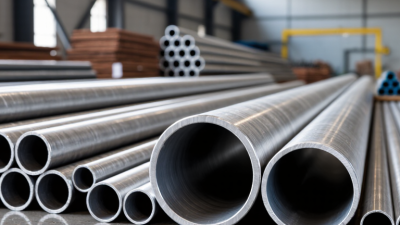
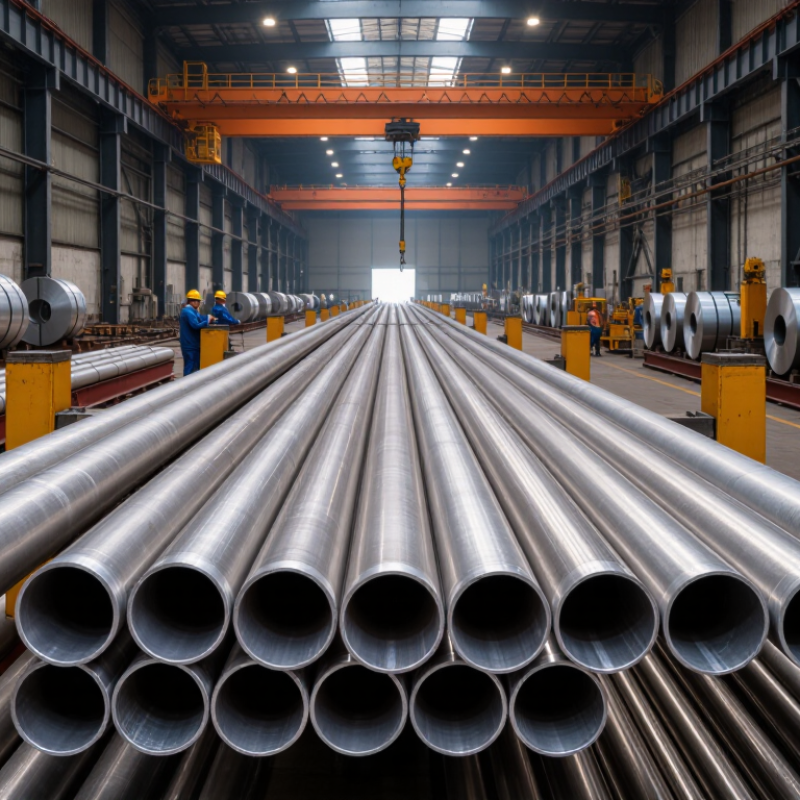
Seamless boiler tubes are hollow steel components formed without a welded joint. Manufacturers usually produce them by piercing a heated steel billet, then rolling and heat-treating it to precise dimensions. This structure helps the tube handle internal pressure, high temperatures, and repeated thermal cycling inside boilers.
These tubes carry water, steam, or hot combustion gases. Water-tube boilers place water inside the tubes, while fire-tube designs send hot gases through them. Common uses include power stations, manufacturing plants, heating systems, and process equipment. Carbon steel suits moderate conditions. Alloy steel performs better under higher heat and pressure. Stainless grades may help where corrosion is a serious concern.
Strong manufacturers control chemistry, wall thickness, straightness, and heat treatment throughout production. Reliable suppliers also provide ultrasonic or eddy-current testing, hydrostatic testing, and complete material traceability. A smooth surface matters, but it is not the only concern. Seamless construction reduces one weak point, yet it cannot prevent corrosion, overheating, or poor installation.
In practical projects, tube selection should match design pressure, operating temperature, fluid chemistry, and applicable standards. That step is sometimes rushed. It should not be. Even a technically excellent tube may fail when the wrong grade meets aggressive water or unstable operating conditions. Experienced engineers therefore review inspection records, batch certificates, and service history before approving a manufacturer.
Leading Seamless Boiler Tube Manufacturers by Industry Strength
The leading seamless boiler tube manufacturers are judged by more than production volume. Industry strength appears in stable steel sourcing, controlled heat treatment, and repeatable dimensional accuracy. Experienced producers track furnace temperature, wall thickness, and surface quality throughout each batch.
Reliable manufacturers use ultrasonic inspection, hydrostatic testing, and visual checks before shipment. These steps help detect laminations, cracks, and uneven walls that may fail under heat and pressure. A strong technical team also matches tube grades with steam temperature, pressure, corrosion exposure, and boiler design. Small details matter.
Manufacturing capacity is useful, but it should not replace evidence. Buyers should review inspection records, material certificates, traceability systems, and delivery performance. A polished website proves little.
Factory audits and sample testing offer stronger evidence. Some manufacturers perform well on standard orders but struggle with tight tolerances or urgent schedules. That weakness deserves attention.
Industry authority also comes from practical support. Engineers should explain welding preparation, forming limits, cleaning requirements, and installation risks in clear language. Responsive communication can prevent costly specification errors. Still, no supplier is perfect. Even experienced buyers may overvalue low prices or impressive capacity figures. A careful comparison of quality systems, testing depth, production consistency, and after-sales response gives a more dependable view of manufacturer strength.
Which Standards and Quality Tests Should Manufacturers Meet?
Reliable seamless boiler tube manufacturers should work to recognized standards such as ASME, ASTM, EN, or ISO, depending on the project and service conditions. The selected standard should define chemistry, dimensions, manufacturing methods, and allowable defects. It should also match the boiler’s pressure, temperature, and corrosion risks. One standard is not suitable for every installation.
Quality testing should combine production checks with independent verification. Chemical analysis confirms alloy content. Tensile and hardness tests assess mechanical performance. Flattening and flaring tests can reveal weakness in the tube wall. Hydrostatic testing helps identify leaks under pressure. Ultrasonic or eddy current inspection may detect hidden discontinuities without damaging the tube. Inspectors should review heat numbers, mill certificates, calibration records, and nonconformance reports. Traceability matters when thousands of tubes look identical.
Tips: Ask for sample test reports before placing an order. Confirm the laboratory’s accreditation and equipment calibration dates. Check whether inspection covers the full tube length or only selected samples. A perfect checklist can still miss poor handling, contamination, or incorrect packaging. I have found that clear acceptance criteria prevent more disputes than impressive certificates. Also, do not assume “seamless” means defect-free; manufacturing quality still depends on process control, inspection frequency, and honest reporting.
What Are the Top Seamless Boiler Tube Manufacturers?
Standards and quality tests are key indicators when evaluating seamless boiler and heat-exchanger tubes.
Chart basis: Minimum tensile strength values for selected grades specified in ASTM A213/A213M seamless ferritic, austenitic, and alloy-steel boiler, superheater, and heat-exchanger tubes. Values are shown in MPa and are not manufacturer ratings.
Common standards
ASTM A213/A213M and the corresponding ASME SA213 specification are widely used for seamless alloy and stainless-steel boiler tubes. EN 10216-2 is also commonly referenced for seamless pressure tubes made from specified non-alloy and alloy steels.
Typical quality tests
Manufacturers may be required to provide tensile, hardness, flattening, flaring, hydrostatic, and non-destructive examination results. Exact test requirements depend on the grade, tube dimensions, purchase order, and applicable edition of the standard.
How to compare suppliers
Review material certificates, heat and lot traceability, dimensional inspection records, surface condition, heat-treatment records, and compliance with the specified standard rather than relying only on nominal strength values.
Reference: ASTM A213/A213M grade property requirements. Always verify the current standard edition and applicable product specification before procurement.