Why Choose Stainless Steel Elbow for Your Next Project?
When embarking on a new project, the choice of materials can profoundly impact the outcome. One industry expert, Jonathon Markham, a renowned pipeline engineer, emphasizes the significance of durability in material selection. He states, "A quality Stainless Steel Elbow can save time and costs in the long run." Understanding this can help in making informed decisions.
Stainless Steel Elbows are more than just functional components; they represent a fusion of strength and reliability. These fittings come in various grades, each suited for specific applications. Choosing the right type requires careful consideration. There are concerns about corrosion resistance versus cost-effectiveness. While a cheaper option may seem appealing initially, the long-term implications often tell a different story.
The reliability of Stainless Steel Elbows plays a crucial role in infrastructure integrity. We must reflect on the importance of investing in quality products. There is often a temptation to overlook this aspect for short-term savings. However, the true value lies in long-lasting performance and reduced maintenance.
Benefits of Using Stainless Steel Elbows in Piping Systems
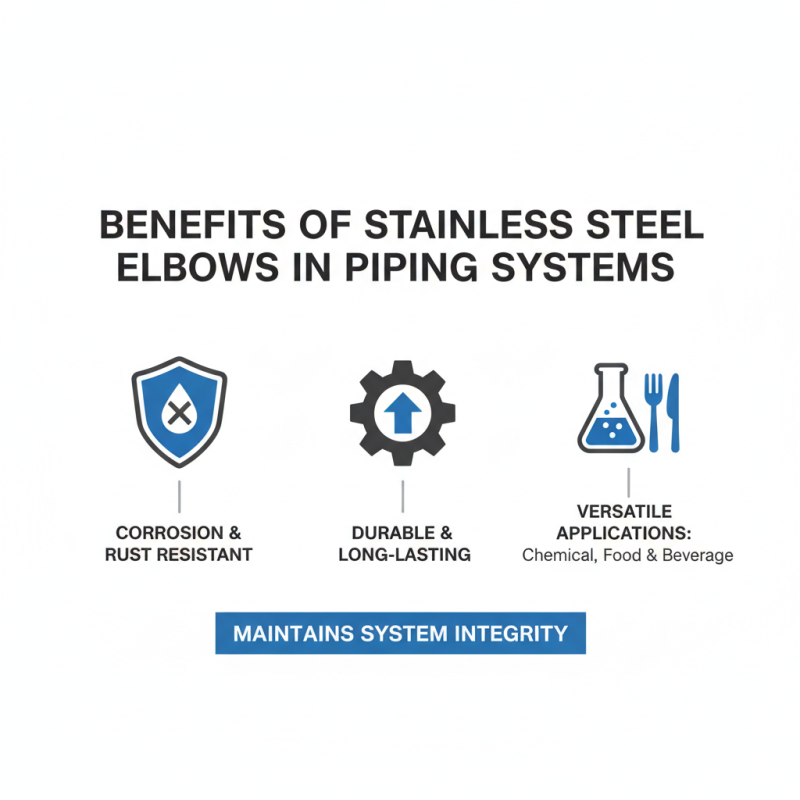
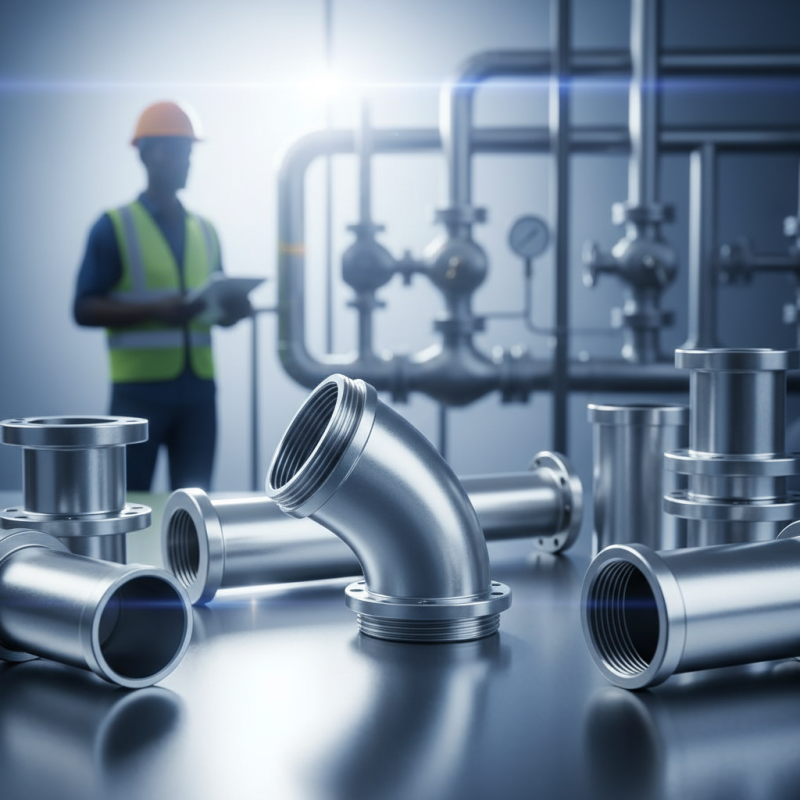
When considering materials for piping systems, stainless steel elbows stand out for many reasons. Their durability is a key advantage. Stainless steel resists corrosion, rust, and stains, making it ideal for various environments. For instance, in chemical processing or food and beverage applications, these elbows maintain the integrity of the system. They can handle challenging conditions without degrading over time.
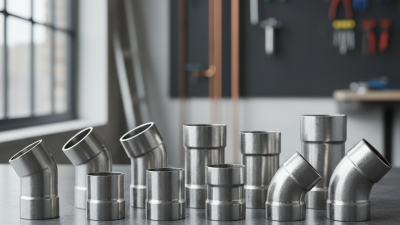
Another important aspect is flexibility in design. Stainless steel elbows are available in various angles and sizes, enabling precise installation in tight spaces. This feature allows engineers to create efficient piping layouts that maximize flow and minimize turbulence. However, the cost may be higher than other materials. This factor requires careful budgeting and project planning.
Installation can also be tricky. Proper welding techniques are essential to ensure leak-proof joints. Mistakes during installation can lead to expensive repairs later. Despite these challenges, the long-term benefits often outweigh initial hurdles. Stainless steel elbows provide peace of mind, making them a reliable choice for your projects.
Common Applications of Stainless Steel Elbows in Various Industries
Stainless steel elbows are vital components used across various industries. Their durability and corrosion resistance make them ideal for many applications. In the oil and gas sector, around 75% of pipelines utilize stainless steel fittings, showing their critical role in maintaining safety and performance. High-pressure environments demand reliability, which stainless steel elbows provide through their robust construction.
In the food processing industry, stainless steel elbows are preferred for hygienic reasons. They prevent contamination while allowing for efficient flow. Reports indicate that this sector accounts for nearly 30% of the total stainless steel use in piping systems. However, achieving the right fit can be challenging. Proper installation is crucial to avoid leaks and ensure system integrity.
The chemical manufacturing sector also heavily relies on stainless steel elbows. A study highlighted that 60% of chemical processing systems incorporate these materials for their resistance to harsh substances. Yet, this can lead to wear and tear over time, which might compromise the system. Regular maintenance and assessments are essential to address potential failures and extend the lifespan of these fittings.
Why Choose Stainless Steel Elbow for Your Next Project? - Common Applications of Stainless Steel Elbows in Various Industries
| Industry |
Application |
Benefits of Stainless Steel Elbows |
| Oil and Gas |
Connecting pipes in pipelines and refineries |
Corrosion resistance and durability |
| Food and Beverage |
Transporting liquids in food processing |
Hygienic and easy to clean |
| Construction |
HVAC systems and plumbing |
High strength and resistance to high temperatures |
| Pharmaceuticals |
Sterile processing and transportation of chemicals |
Inert to chemicals and long-lasting |
| Marine |
Piping systems on ships |
Excellent saltwater corrosion resistance |
| Automotive |
Exhaust systems and fuel lines |
Resistance to high temperatures and pressure |
Comparison of Stainless Steel Elbows with Other Materials
Stainless steel elbows stand out when compared to other materials, especially in projects that demand durability. Unlike PVC or plastic ones, stainless steel elbows resist corrosion effectively. This quality makes them ideal for plumbing systems in harsh environments.
Another advantage is their ability to handle high temperatures. Copper elbows, while good for thermal conductivity, may not stand the test in extreme heat. Stainless steel, however, remains stable, ensuring consistent performance. It also has a longer lifespan, reducing the need for frequent replacements.
When choosing materials, consider your project's specific needs. Think about the environment and the pressure conditions. This will guide you in selecting the right elbow type. Remember, the cost might be higher upfront, but long-term savings from fewer replacements can be significant. Don't overlook the welding process either; it requires precision to ensure a leak-free connection.
Factors to Consider When Choosing Stainless Steel Elbows
When selecting stainless steel elbows for your next project, several crucial factors demand attention. Firstly, consider the material grade. The most common grades, such as 304 and 316, offer different levels of corrosion resistance. According to industry reports, 316 stainless steel is preferable in marine environments due to its superior resistance to saltwater corrosion. This choice can significantly impact the longevity of your plumbing systems.
Another critical factor is the elbow's pressure rating. A comprehensive review by the American Society of Mechanical Engineers highlights that elbows must withstand the anticipated pressure in the piping system. For instance, schedule 40 elbows typically handle lower pressure than schedule 80, which is vital in high-pressure applications. Realizing the application requirements ensures safety and efficiency in your project.
Tip: Always verify manufacturer specifications for pressure ratings. Don’t overlook the importance of fittings. They play a role in controlling flow and minimizing potential leaks. Regular testing of your system can identify unexpected failures early on. Connect with industry professionals for insights on best practices, as real-world experience often uncovers lessons not found in documentation.
Maintenance Tips for Stainless Steel Elbows in Construction Projects
Stainless steel elbows are popular in construction due to their durability. However, maintaining these components is crucial for long-term performance. A study from the International Stainless Steel Forum (ISSF) reveals that stainless steel can withstand corrosion much better than other materials, extending the life of piping systems significantly. Regular inspections can prevent costly failures.
Cleaning stainless steel elbows regularly is essential. Use a soft cloth and a mild detergent solution. Harsh chemicals can damage the surface. According to a Technical Report by the American Society of Mechanical Engineers, proper cleaning can reduce maintenance costs by up to 30%. Pay attention to any signs of wear, as they can indicate underlying issues that need addressing.
Keeping joints secure is another maintenance tip. Loose fittings may lead to leaks. A report from the Construction Industry Institute indicates leaks can result in 25% more maintenance work and unplanned downtime. Proper torque specifications can help maintain joint integrity. While stainless steel elbows are sturdy, they still require vigilant care to ensure optimal performance over time.