Best Abrasion Resistant Plate for Your Industry Needs?
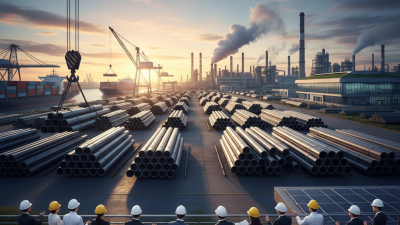
When it comes to selecting the best abrasion resistant plate for your industry needs, making an informed choice is crucial. An abrasion resistant plate offers enhanced durability and protection against wear, which is essential for industries such as mining, construction, and manufacturing. These plates are designed to withstand harsh conditions, ensuring long-lasting performance even in challenging environments.
Different industries have unique demands. For instance, heavy machinery used in mining may face severe impacts and continuous friction. The right abrasion resistant plate can significantly reduce downtime and maintenance costs. Yet, not all plates are created equal. Some products may claim superiority without real backing in performance. It's vital to evaluate options based on reliable reviews and expert recommendations. The materials and manufacturing processes used can vary greatly, impacting the overall effectiveness of the plates.
Investing in a high-quality abrasion resistant plate is not simply a matter of cost. It’s about long-term benefits. Lower-quality alternatives may seem attractive, but they often result in greater expenses over time. Careful consideration of your specific requirements can lead to much more satisfactory outcomes. Balancing upfront expenses with future savings is a critical aspect of this decision-making process.
Understanding Abrasion Resistance: Key Factors and Measurements
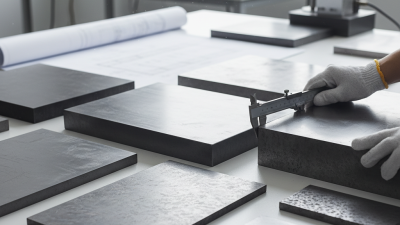
Abrasion resistance is critical for various industries. It defines how materials withstand wear and tear during operation. Understanding this property helps in selecting the best plates for specific applications. Factors such as hardness, toughness, and thickness play significant roles. Measurements like the Rockwell or Brinell hardness tests provide essential data. These values indicate how well a material can perform under stress.
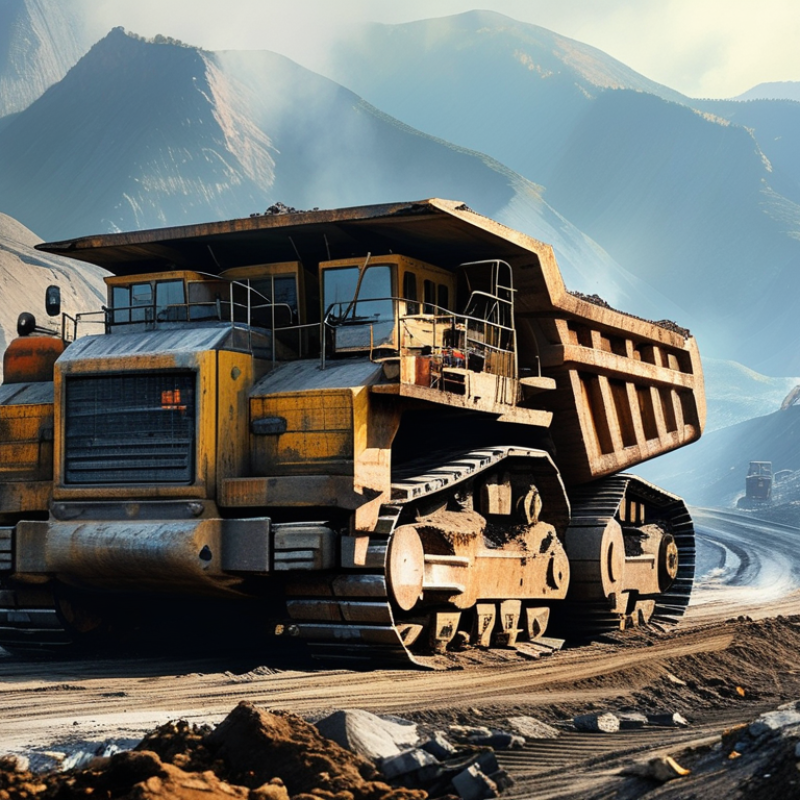
Each industry has unique demands. Mining, for instance, needs high-hardness plates to withstand rough rocks. Construction may prefer tougher materials that can absorb impact. It’s also important to consider the environment. Corrosive materials can affect the durability of plates, requiring careful selection. Not all plates meet every need, which can lead to failures if not properly evaluated.
Choosing the right plate means balancing cost, performance, and longevity. Sometimes, overly tough materials are more expensive and not necessary. Reflecting on specific applications can lead to better decisions. Practical experience reveals that often overlooked details matter greatly. Testing and feedback from actual usage remain invaluable. Understanding abrasion resistance is not just about numbers; it involves careful reflection on real-world needs and challenges.
Types of Abrasion Resistant Plates: Material Comparisons and Applications
When selecting abrasion resistant plates, material type plays a crucial role. Metals like hardened steel and alloy steel are popular for their strength. These materials often withstand significant wear and tear. For instance, hardened steel shows a hardness rating over 500 BHN (Brinell hardness number). This makes it ideal for mining and heavy-duty applications. However, it requires careful handling. Its high brittleness can lead to cracking under certain conditions.
In contrast, polymer plates, such as UHMW (Ultra High Molecular Weight) polyethylene, offer flexibility. They resist impact well and are lighter than metal options. According to industry reports, UHMW can reduce friction by 75% compared to steel. However, these materials may not withstand high-temperature environments. Users need to evaluate their specific operational conditions.
Ceramic-based abrasion plates are another option. They provide excellent hardness, often surpassing metals. For instance, ceramic plates have a hardness of over 9 on the Mohs scale. They are used in industries like aerospace and defense. Despite their effectiveness, ceramics can be brittle, posing challenges during installation and repair. Understanding these material nuances is critical for selecting the best plate for unique industrial requirements.
Best Abrasion Resistant Plate Types and Their Average Hardness
Industry Specifications: Standards for Abrasion Resistant Materials
Abrasion resistant materials play a crucial role in many industries, particularly in manufacturing and construction. The ASTM standard for abrasion resistance, ASTM A532, specifies the hardness and durability requirements for various wear materials. Generally, materials meeting these standards exhibit a hardness of at least 500 HBW (Brinell Hardness), making them suitable for high-impact applications.
According to a recent report by Global Industry Analysts, the demand for abrasion resistant plate products is projected to grow significantly. In sectors like mining, aggregate, and energy, accessing reliable abrasion resistant materials is vital. The right choice can improve equipment longevity and reduce maintenance costs. It's noted that companies often underestimate the importance of selecting high-quality plates. Inadequate materials can lead to accelerated wear and unexpected failures.
Industry experts frequently highlight the imbalance in sourcing practices. Many manufacturers prioritize cost over quality. This short-sighted approach leads to higher long-term expenditures. Companies really need to consider the lifecycle of materials. Not all products labeled as "abrasion resistant" meet the rigorous standards of industrial applications. Understanding these specifications is key to making informed decisions.
Selecting the Right Plate: Evaluating Durability and Performance Data
Selecting the right abrasion-resistant plate is critical. Industries like mining, construction, and manufacturing face unique challenges.
Durability determines how long a plate will last under stress. Tougher materials resist wear and tear better.
When evaluating performance data, consider impact resistance and tensile strength. Look for plates that perform well under extreme conditions. Features like thickness and composition greatly influence overall durability. Sometimes, a thicker plate may seem better, but it can be heavier and harder to work with.
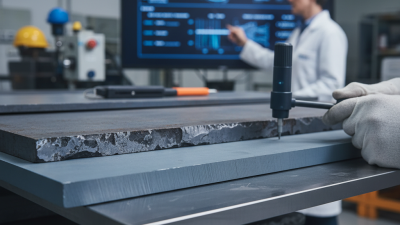
There are various options available, but not all perform equally. Regular testing can reveal surprising results. Users may think they have chosen the best option only to find it lacks longevity. Rely on credible sources for feedback. Collecting data from real-world applications helps in making an informed decision. Balancing cost with durability isn't always straightforward.
Cost-Benefit Analysis: Investing in Abrasion Resistant Solutions for Industries
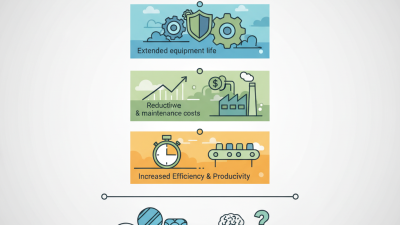
When considering abrasion-resistant plates for industrial applications, it's crucial to analyze the cost-benefit. Investing in high-quality materials can yield significant long-term savings. These plates provide durability, reducing maintenance and replacement costs over time. Industries such as mining and construction often face harsh conditions that can wear down equipment quickly. The right solution can enhance performance and longevity.
Tip: Assess the specific needs of your operation before making a purchase. Different applications may require different properties, such as thickness or hardness. Understanding these specifics can guide you to the most effective choice.
Remember, not every solution will fit all needs perfectly. It's important to weigh the upfront investment against potential long-term savings. Sometimes, a cheaper option might lead to frequent replacements, ultimately costing more.
Evaluate your operational environment and see where improvements can be made. Focus on the balance between cost and effectiveness, and you can make an informed decision.