How to Choose the Right Stainless Steel Elbow for Your Needs?
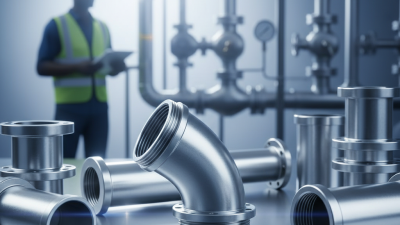
Choosing the right Stainless Steel Elbow can significantly impact the efficiency of your project. According to David Thompson, a leading expert in piping systems, "A well-selected elbow is crucial for maintaining flow and reducing wear." This highlights the importance of understanding your specific needs before making a choice.
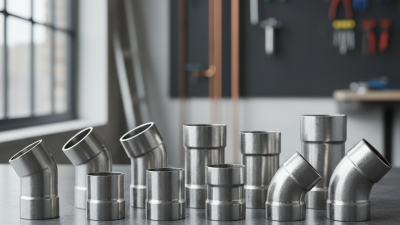
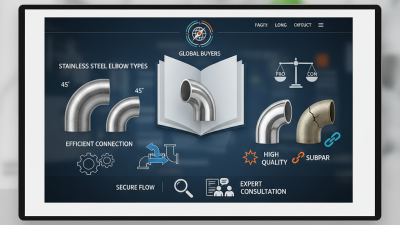
Stainless Steel Elbows come in various shapes and sizes. Each type serves a different purpose. Ensure you know the application for which the elbow is intended. Factors such as diameter, bend radius, and pressure rating must be considered. A wrong choice can lead to costly repairs. The selection process should not be rushed.
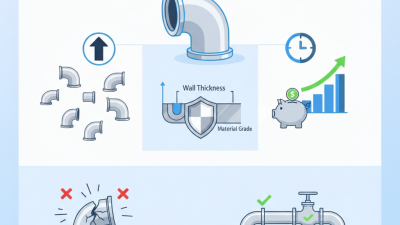
While quality is essential, it’s also crucial to balance cost and functionality. Sometimes, the cheapest option may not offer the best performance. Remember, investing in a high-quality Stainless Steel Elbow can save you from future headaches. Take the time to consult experts and do thorough research. The right choice is often the one that meets all your specific project requirements.
Understanding the Different Types of Stainless Steel Used in Elbows
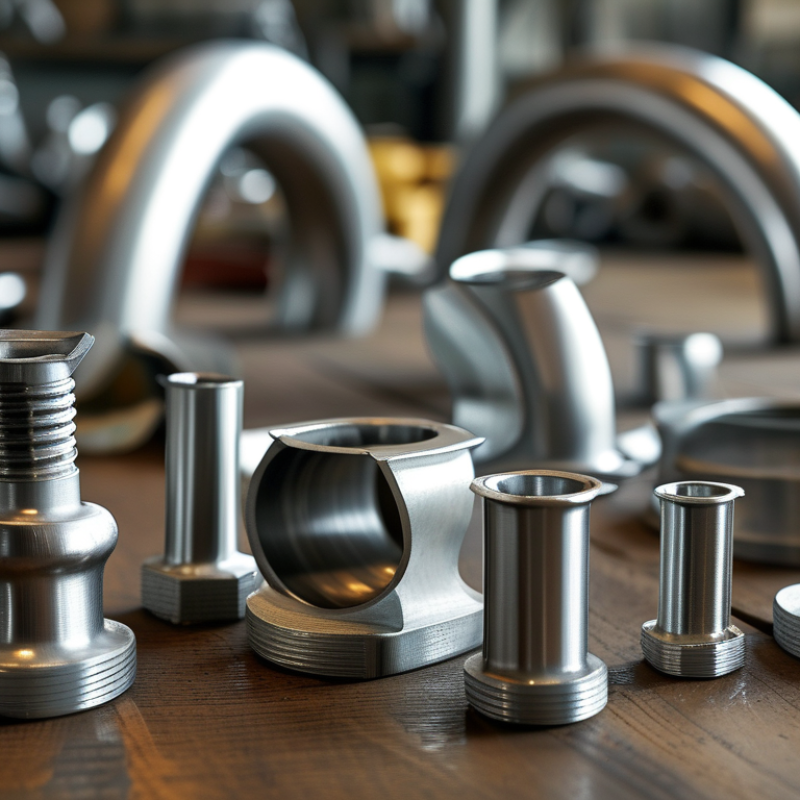
When selecting a stainless steel elbow, understanding the types of stainless steel is crucial. Different grades offer various properties. Common grades include 304, 316, and 321. Grade 304 is known for its good corrosion resistance and ease of fabrication. It is often suitable for water and chemical handling. However, it may not withstand harsh environments.
Grade 316, on the other hand, contains molybdenum, enhancing its resistance to corrosion and heat. This makes it an ideal choice for marine applications and environments with chlorides. If your application requires high temperatures, consider grade 321. This type of stainless steel is more stable and resists high-temperature oxidation well.
Tips for selection include evaluating the environment where the elbow will be used. Check factors like temperature, pressure, and exposure to corrosive elements. If in doubt, consult with a materials expert. Also, remember to consider the elbow's diameter and angle to ensure proper fit. Assessing these details can lead to a more successful outcome in your project.
Key Factors to Consider When Selecting Stainless Steel Elbows
Choosing the right stainless steel elbow is crucial for effective piping systems. One key factor is the application. Determine if you need these elbows for high-pressure environments or corrosive applications. Not all stainless steel grades are suitable for every situation.
Another aspect to consider is the design specifications. Elbows come in various angles, like 45 or 90 degrees. The angle affects the fluid flow and pressure levels. Ensure that the selected angle aligns with your system requirements for optimal performance.
Compatibility is also essential. The elbow material should match or be compatible with other piping components. Mismatched materials can lead to leaks or failures over time. Reflect on the long-term implications of your choices. Sometimes, a standard option may not fit all scenarios, prompting a more tailored solution.
Industry Standards and Specifications for Stainless Steel Elbows
When selecting stainless steel elbows, it is crucial to understand the industry standards. The American Society for Testing and Materials (ASTM) outlines specifications like ASTM A312 for seamless and welded pipes. This specification directly influences the materials used and their performance in various applications.
Stainless steel elbows should meet specific criteria, such as pressure rating and temperature range. The American National Standards Institute (ANSI) also provides guidelines that define dimensions and tolerances. The most common grades, such as 304 and 316, indicate good corrosion resistance. Understanding these materials can help prevent costly failures.
Industry reports highlight that improper selection can result in a significant risk of failure. For instance, a report by the International Stainless Steel Forum notes that nearly 15% of stainless steel failures relate to poor fitting selection. Attention to these details is vital for effective performance and longevity. Ultimately, ensuring compliance with these standards can lead to more reliable setups.
Comparative Analysis of Elbow Angles and Their Applications
Choosing the right stainless steel elbow involves understanding various angles and their specific applications. Standard angles include 45°, 90°, and 180°. Each angle serves a unique purpose in piping systems. A 90° elbow is often used in tight spaces where a sharp turn is essential. It allows fluid to change direction with minimal pressure loss. Meanwhile, a 45° elbow provides a gentler slope, reducing turbulence.
Applications vary widely. In HVAC systems, 90° elbows direct airflow efficiently. For drainage, 45° elbows smoothly guide waste. However, using the wrong angle can lead to inefficiencies. Installing a 90° elbow in a low-pressure system might increase wear and tear. Furthermore, using an elbow that’s too large or too small can hinder performance.
It's essential to assess your needs before choosing an elbow. Consider the fluid type, pressure, and space constraints. Sometimes, less is more. A simple solution often prevails over complex configurations. It’s also wise to consult professionals. Their expertise can highlight nuances you might overlook. Balancing these factors ensures a reliable and effective solution for your piping needs.
How to Choose the Right Stainless Steel Elbow for Your Needs?
| Elbow Angle |
Common Applications |
Material Type |
Pressure Rating |
| 90 Degrees |
Change direction in piping |
304 Stainless Steel |
150 psi |
| 45 Degrees |
Reducing flow turbulence |
316 Stainless Steel |
200 psi |
| 180 Degrees |
Reversing flow direction |
Duplex Stainless Steel |
300 psi |
| 22.5 Degrees |
Slight redirection in piping |
Cupro-nickel |
100 psi |
Maintenance and Durability Considerations for Stainless Steel Elbows
When selecting stainless steel elbows, maintenance and durability are key factors. Stainless steel offers excellent resistance to corrosion, making it ideal for various applications. Regular cleaning keeps the elbow free from debris and residue. This helps to maintain the material's integrity and ensures longevity. Neglecting maintenance can lead to rust and deterioration over time.
Another aspect to consider is the environment. Stainless steel elbows may face high-pressure situations or extreme temperatures. These factors can impact durability significantly. Assessing the operating conditions is essential. Not all stainless steel grades are equally durable under stress. It’s worth noting that while most stainless steel fittings are robust, improper use can lead to cracks and leaks.
In certain cases, the manufacturing process affects the final product's resilience. Weld quality and finishing techniques can vary significantly. This variability creates room for potential flaws that might not be visible at first glance. Choosing an elbow involves not just the right type but also verifying its construction. Thoughtful selection can prevent costly repairs down the line.