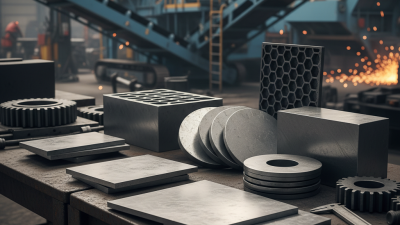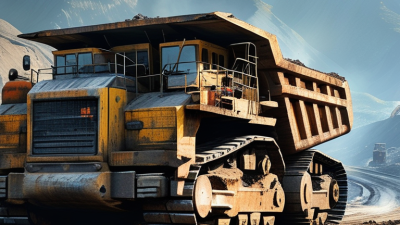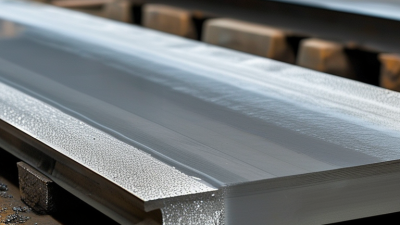
Wear Resistant Plate is engineered to withstand repeated friction, impact, and material flow in demanding industrial environments. It commonly protects equipment exposed to rock, sand, coal, ore, cement, and other abrasive materials. Mining hoppers, dump truck bodies, conveyor chutes, excavator buckets, and crusher liners often rely on this specialized steel. Its value is practical: longer service intervals, fewer repairs, and more stable equipment performance.
The right plate is not selected by hardness alone. A harder grade may resist sliding abrasion well, yet crack under severe impact or difficult welding conditions. Engineers usually compare hardness, plate thickness, impact exposure, operating temperature, forming needs, and welding procedures. Material testing certificates and supplier traceability also matter. Small details matter.
During field evaluation, wear patterns can reveal more than a catalogue suggests. A chute may show deep grooves near its inlet, while its lower section suffers impact dents. These clues help determine whether the design needs a different grade, thicker sections, replaceable liners, or better material flow. Installation quality is equally important. Poorly prepared welds, unsupported edges, or incorrect fasteners can shorten service life quickly.
There is no universal solution. That point deserves attention. Reliable selection combines manufacturer data, engineering calculations, maintenance records, and actual site observations. This guide explains what Wear Resistant Plate is, how it performs, and where it is commonly used. It also considers practical limitations, because a plate that looks suitable on paper may perform differently in real production conditions. A careful review prevents expensive assumptions.
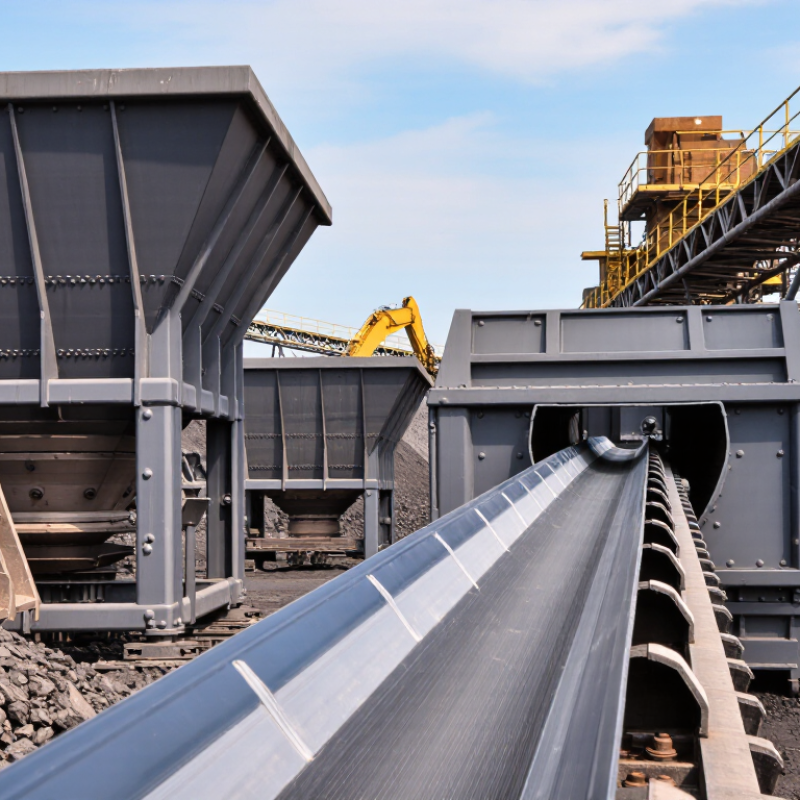
Wear-resistant plate is alloy steel engineered to resist impact, sliding abrasion, and repeated contact. Its hardness is commonly measured in HBW, using a tungsten-carbide ball under ISO 6506-1. The scale matters: 300 HBW suits moderate abrasion, while 600 HBW targets severe mineral or coal handling. These values describe resistance, not total service life.
A 400 HBW plate often balances toughness and cutting practicality. It can line dump bodies, chutes, hoppers, and conveyor transfer points.
Around 500 HBW, operators may choose liners for crushers, screens, and quarry equipment. At 600 HBW, the surface resists aggressive sliding particles, but welding and forming become more demanding. Harder is not always better.
ASTM G65 evaluates abrasion through dry sand and rubber-wheel testing, reporting volume loss in cubic millimetres. Lower loss indicates better laboratory wear resistance, although field performance can differ. Particle size, moisture, impact angle, and plate support change the result. A 600 HBW grade may fail early under heavy impact if its toughness is insufficient. That is the part many purchasing comparisons miss.
Engineering reports and site records should be reviewed together. Track plate thickness, operating hours, material flow, and replacement intervals. A practical specification might require hardness verification, Charpy impact data, chemical analysis, and weldability guidance. For example, a quarry liner exposed to sharp basalt needs different protection from a hopper handling damp limestone. The correct grade is a controlled compromise, not simply the hardest available plate.
Wear resistant plate protects buckets, chutes, hoppers, and truck bodies from sliding rock, sand, and ore. Its performance depends on more than hardness. Carbon increases martensite potential, while chromium, manganese, molybdenum, and boron improve hardenability. During quenching, hot steel cools rapidly and forms a hard martensitic structure. Typical grades reach 400–600 HBW, measured under ASTM E10 Brinell hardness procedures.
The number is useful, but incomplete. A 500 HBW plate may resist mineral abrasion better than mild steel, yet it can crack after poor cutting or welding. ASTM G65 Procedure A uses 6,000 rubber-wheel revolutions and controlled sand flow to compare abrasive wear. Field results still vary with impact energy, particle size, moisture, and plate thickness. That uncertainty matters. Laboratory ranking is not a perfect service-life forecast.
Tips: Match hardness to the duty, not the sales label. Check the mill test certificate, chemistry, thickness, and impact data. Use controlled preheating and low-hydrogen consumables during fabrication. Excessive heat can soften the heat-affected zone. Sharp bends deserve special attention. A practical review should compare weight loss, downtime, and replacement intervals, not hardness alone. ASM Handbook guidance also warns that microstructure and processing history can change wear behavior, even when hardness values appear identical.
Wear-resistant plate is alloy steel designed to resist sliding, impact, and abrasive particles. Its performance depends on more than a grade number. AR400, AR450, and AR500 commonly indicate nominal Brinell hardness. However, these designations are not universal international standards. One supplier’s AR450 may not match another supplier’s chemistry, thickness range, or toughness.
Reliable specifications should state hardness values, test methods, chemical limits, and thickness conditions. ISO 6506-1 and ASTM E10 are widely used for Brinell hardness testing. EN 10204 can define the inspection document supplied with the plate. Dimensional tolerances may follow standards such as EN 10029. These documents support traceability, but they do not automatically prove excellent abrasion life.
Look beyond the label. A 12 mm plate used beneath a stone hopper faces repeated impact and sharp sliding loads. Hardness helps, while alloy design and toughness control cracking. Welding procedure also matters because heat can soften or harden the heat-affected zone. Ask for actual test results, not only a marketing grade. Small variations matter. In practice, field wear rarely matches a laboratory coupon perfectly. That is an important limitation. Engineers should compare hardness ranges, impact requirements, plate thickness, and service conditions before selecting a grade. The cheapest plate can become expensive after early replacement.
| Material / Grade | Typical Hardness or Composition | Primary Wear Mechanism Addressed | Typical Applications | Relevant Standards and Notes |
|---|---|---|---|---|
| AR400 | Nominally about 360–440 HBW; the exact range depends on the applicable product specification. | Sliding abrasion and moderate impact. | Chutes, hoppers, dump bodies, screens, liners and general material-handling equipment. | “AR400” is a widely used industry designation rather than one universally harmonized international grade. Verify the supplier’s specified chemistry, hardness range, toughness and delivery condition. |
| AR450 | Nominally about 420–480 HBW; allowable values vary by specification and thickness. | More severe sliding abrasion than AR400, with moderate impact resistance. | Crusher liners, conveyor components, mining buckets, feeders and high-wear structural parts. | Not a single globally standardized grade. Hardness should be confirmed using a recognized method such as ISO 6506-1 or ASTM E10. |
| AR500 | Nominally about 470–530 HBW; the specified range depends on the product standard or mill specification. | Severe sliding abrasion where wear life is prioritized over ease of forming. | Mining liners, impact plates, aggregate equipment, recycling machinery and heavy-duty wear parts. | Higher hardness generally improves abrasion resistance but can reduce formability and weldability. The actual plate should be checked for impact toughness and fabrication requirements. |
| Low-alloy quenched-and-tempered wear plate | Typically produced with carbon, manganese, chromium, molybdenum, nickel or boron in controlled amounts; hardness is obtained through heat treatment. | Combined abrasion, impact and structural loading. | Heavy trucks, earthmoving equipment, agricultural machinery, cranes, conveyors and industrial liners. | Performance is defined by the purchaser’s or producer’s specification, including hardness, tensile properties, impact testing, chemistry and thickness tolerances. |
| Hadfield manganese steel | Commonly contains approximately 11–14% manganese; it is relatively soft in the as-cast or solution-treated condition and work-hardens during service. | High-impact and gouging abrasion. | Jaw crusher plates, cone crusher parts, railway crossings, impact zones and severe-duty liners. | ASTM A128/A128M covers austenitic manganese steel castings. It is usually selected for impact and work-hardening capability rather than high initial hardness. |
| Chromium white cast iron | Contains chromium-rich carbide phases; hardness and microstructure vary by class, type and heat treatment. | Very severe sliding abrasion with limited impact. | Mill liners, slurry-handling parts, pump components and mineral-processing wear parts. | ASTM A532/A532M specifies abrasion-resistant white iron castings. These materials are generally less suitable for heavy impact, bending or field welding than quenched-and-tempered steel plate. |
| Wear-resistant overlay plate | A tougher base plate with a welded alloy layer containing hard carbides; hardness and chemistry depend strongly on the overlay system. | Extreme sliding, impact-abrasion or high-temperature abrasion, depending on the overlay chemistry. | Cement plants, steel mills, power plants, mining equipment and high-wear transfer points. | Qualification normally requires documented chemical composition, overlay thickness, hardness, crack pattern, bonding quality and dimensional tolerances. A standard steel-plate hardness value alone is not sufficient. |
Wear resistant plate is designed for areas where sliding particles, impact, or friction remove ordinary steel quickly. It is used in mining chutes, crusher liners, hoppers, conveyors, and construction equipment. However, hardness alone does not prove long service life. Plate chemistry, microstructure, thickness, welding method, and operating conditions also matter.
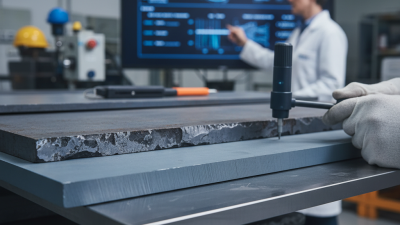
ASTM G65 testing measures abrasion through mass loss. A prepared specimen is weighed, then pressed against a rotating rubber wheel while dry sand flows through the contact area. The test applies controlled pressure, distance, and abrasive flow. After testing, the specimen is cleaned and weighed again. The difference is its mass loss. Lower loss generally indicates better resistance under this specific abrasion condition. Small details matter. Dust, moisture, surface preparation, or an inaccurate scale can affect the result. A reliable laboratory should record these controls and repeat questionable measurements.
Tips: Compare specimens using the same ASTM G65 procedure. Check the test method, load, and reported mass loss, not only the marketing grade. A plate with excellent laboratory results may still perform poorly under heavy impact or trapped moisture. Field inspection should examine gouging, cracking, weld areas, and thickness reduction. ASTM G65 is useful evidence, but it is not a perfect prediction of every jobsite. That limitation deserves attention.
Wear resistant plate protects equipment exposed to abrasion, impact, or sliding particles. The correct thickness depends on material flow, impact energy, support spacing, and replacement access. A thicker plate is not automatically better. It can increase weight, welding time, and structural stress.
The World Steel Association reported 1.892 billion tonnes of crude steel production in 2023. That scale reflects steel’s industrial importance, but it does not replace application-specific selection.
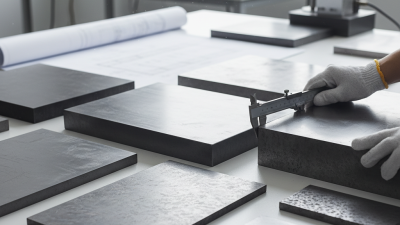
Engineers commonly compare hardness, toughness, and plate thickness together. For moderate abrasion, 6–12 mm may suit chutes, liners, and screens. Severe impact may require 16–30 mm, especially in mining buckets or transfer points.
These ranges are practical starting points, not universal rules. ASTM G65 abrasion testing can compare wear resistance, but the test result does not predict every field condition. Real ore size, moisture, and impact angle can change performance significantly.
Welding needs equal care. Low-hydrogen consumables, controlled preheating, and slow cooling can reduce cracking risks. Procedure qualification should follow applicable requirements, such as AWS D1.1 or ISO 15614-1. Avoid excessive heat input. It may soften the heat-affected zone.
Use intermittent welds where design loads permit, while maintaining adequate penetration. Field repairs often fail because technicians skip surface cleaning or ignore hydrogen control.
Agricultural conveyors, recycling plants, cement systems, and quarry equipment all use these plates, but each application deserves its own wear survey. A perfect selection is rare. Better decisions come from measuring actual thickness loss after service.