Why Choose Wear Resistant Steel for Global Procurement?

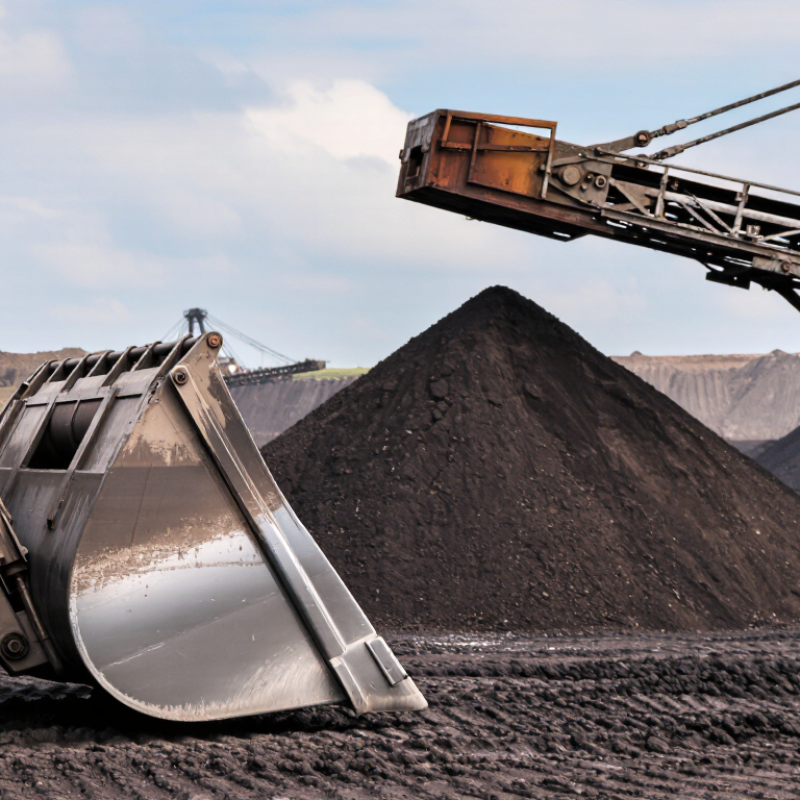
Global procurement teams face a simple question with costly consequences: why choose Wear Resistant Steel? In mining, recycling, construction, and bulk handling, abrasion can turn a steel plate into a hidden operating expense. A loader bucket may lose thickness near its cutting edge, while a conveyor chute develops pits under constant impact. These failures create downtime, replacement labor, and unpredictable maintenance schedules.

The World Steel Association reported approximately 1.88 billion tonnes of crude steel production in 2024. This scale shows the strength of global supply, but it also highlights procurement complexity. Buyers must compare grade consistency, heat treatment, certification, and delivery reliability. Wear performance cannot be judged by hardness alone. The ASTM G65 abrasion test provides a recognized method for measuring material loss under controlled dry-sand conditions. However, laboratory results may not fully represent wet ore, sharp impact, or elevated temperatures at a customer’s site.

That difference matters.

Experienced purchasers usually connect test data with actual service conditions. They review plate thickness, welding procedures, Charpy impact requirements, and traceability records. They also ask whether the supplier can maintain stable chemistry across repeated orders. The OECD Steel Outlook 2024 warns that global steel markets remain exposed to excess capacity and uneven demand. Therefore, the lowest quotation may not offer the lowest lifetime cost. Wear Resistant Steel can extend replacement intervals, but it is not a universal solution. A mismatched grade can still fail early. Careful technical review, documented inspection, and realistic field feedback make global sourcing more reliable.
Why Choose Wear Resistant Steel for Global Procurement?

What Is Wear-Resistant Steel and How Does It Work?

Why Choose Wear-Resistant Steel for Global Procurement?

What Is Wear-Resistant Steel and How Does It Work?

Wear-resistant steel is engineered to withstand repeated abrasion, impact, and sliding contact. Its strength comes from controlled alloying, heat treatment, and a hardened microstructure. When crushed stone moves through a chute, the steel surface resists cutting and material loss. In excavator buckets, it helps reduce damage from rocks, sand, and heavy soil.

Hardness matters, but it is not the whole story. A harder plate may last longer against abrasion, yet it can be harder to cut, bend, or weld. Excessive hardness may also increase cracking risks near welds. Field inspections often show that poor joint design causes failure before the plate wears out. This point is easy to miss during global procurement. Buyers should review hardness, impact toughness, thickness tolerance, and test certificates together. The best grade depends on load, temperature, contact material, and maintenance access. The choice is rarely perfect.

Tips: Match the steel grade to the actual wear pattern. Check surface hardness across several points, not one reading. Confirm welding procedures before production. Ask for traceable inspection records. Avoid selecting the hardest option automatically. It may increase machining costs and create avoidable fabrication problems.
Why Choose Wear-Resistant Steel for Global Procurement?

Nominal Brinell Hardness by Wear-Resistant Steel Class

Wear-resistant steel uses increased hardness to reduce material loss caused by sliding, impact, and abrasive particles. AR400, AR450, and AR500 are commonly used industry classifications based on nominal Brinell hardness levels of approximately 400, 450, and 500 HBW. Higher hardness can extend service life in demanding applications, although actual performance also depends on impact energy, plate thickness, toughness, and operating conditions.

Note: Actual hardness ranges vary by specification, heat treatment, thickness, and test location.

Key Properties That Support Global Industrial Procurement

Why Choose Wear Resistant Steel for Global Procurement?

Global industrial procurement depends on predictable performance, not hardness alone. In quarry conveyors, dump bodies, and recycling hoppers, abrasive material can remove ordinary plate quickly. Wear resistant steel slows this loss through controlled hardness and a refined alloy structure. This may extend service intervals and reduce replacement work. It can also support lighter designs when engineers verify the actual load. That saving is practical, but never automatic.

Procurement teams need more than a mill certificate. They should request heat numbers, chemical analysis, hardness results, impact data, and dimensional records. Traceability matters when plates cross borders and fabrication sites. Consistent thickness and flatness simplify cutting, bending, and nesting.

Weldability must be checked against grade, thickness, preheating, and site temperature. Small errors become expensive repairs. Toughness matters too, especially where impact and low temperatures meet. Harder is not always better. A plate may resist abrasion yet crack under poor fabrication conditions.

In fabrication reviews, specifications sometimes favor high hardness while ignoring welding capacity and spare-part timing. That choice looks efficient on paper. It may not be. Reliable suppliers should explain test methods, packing protection, lead times, and realistic tolerances. Independent inspection can add confidence for large or repeated orders.

How to Select the Right Grade for Different Applications

Choosing wear-resistant steel starts with the working condition, not the highest hardness. Sliding abrasion, impact, pressure, and corrosion demand different solutions. A quarry chute facing sharp rock may need high hardness and strong impact toughness. A truck body carrying loose gravel may benefit from a balanced grade that bends without cracking. Temperature matters too. Some plates lose toughness in cold environments. Others soften near heat sources. Ask for actual load, contact material, operating temperature, and expected service hours. Field experience beats guesswork.

Compare hardness ranges, yield strength, toughness data, thickness, and fabrication requirements. Higher hardness can extend service life. It can also make cutting, forming, and welding more demanding. For excavator buckets, impact-resistant grades are often safer than extremely hard plates. For liners handling fine mineral flow, abrasion resistance may matter more than ductility. Check test methods and certificate details. Verify chemistry, heat number, dimensions, and surface condition before shipment. A reliable supplier should explain deviations, not hide them. One overlooked factor is repair access. A cheaper grade may cost more when replacement causes long downtime.

Tips: Map wear patterns with photos and thickness measurements. Separate impact zones from sliding zones. Request samples when the application is uncertain. Confirm welding procedures with a qualified engineer. Do not compare hardness alone. Review low-temperature data for outdoor equipment. Reconsider the grade after field inspection; first assumptions are sometimes wrong.

Standards, Quality Control, and International Compliance

Why Choose Wear Resistant Steel for Global Procurement?

Standards, Quality Control, and International Compliance

Global procurement requires more than comparing hardness values. Wear resistant steel should match the project’s operating conditions, fabrication method, and destination requirements. Applicable standards may include ASTM, EN, or ISO specifications, depending on the contract. The purchase order should define grade, thickness tolerance, hardness range, impact testing, and surface condition.

Traceability matters. Each plate should connect to a heat number and a verifiable mill test certificate. Those records support technical reviews, customs documentation, and later quality investigations.

Quality control should continue beyond the factory gate. Inspectors can check dimensions, plate markings, hardness readings, and surface defects before shipment. Independent testing may confirm chemical composition and mechanical performance. Welding procedures also need review, because high hardness can increase cracking risks during fabrication.

International compliance is not a single global checklist. Import rules, labeling requirements, and inspection expectations vary by market. A certificate may look complete, yet contain a wrong project reference or outdated standard. Small errors create delays.

No system is flawless.

Experienced buyers often request sample reports before production begins. They compare test methods, acceptance limits, and document formats with the final contract. Digital records improve traceability, but they do not replace physical inspection.

Clear communication between engineers, suppliers, inspectors, and logistics teams reduces avoidable misunderstandings.

Cost, Supply Chain, and Long-Term Performance Considerations

For global procurement, wear-resistant steel should be evaluated as a lifecycle purchase, not merely a low-tonnage commodity. In quarry chutes, dump bodies, and recycling lines, abrasion can remove millimeters surprisingly fast. A cheaper plate may reduce the invoice, yet increase replacement labor, welding hours, and transport interruptions. Compare delivered cost per operating month, not only price per tonne. Request certified test results, heat numbers, thickness tolerances, and inspection records. These documents support traceability across borders and reduce disputes when a shipment arrives.

Supply chain planning matters just as much. Confirm production capacity, realistic lead times, export packaging, and port handling before issuing a purchase order. Ask whether cutting, drilling, or forming changes the quoted schedule. Keep approved alternatives for thickness and grade, but do not treat them as automatically equivalent. Hardness alone is an incomplete guide; impact conditions, moisture, load shape, and welding practice affect service life. In my experience, a technically strong plate still fails commercially when replacement sections cannot arrive during a shutdown. That part is easy to underestimate.

Tips: Build a comparison sheet with plate cost, freight, duties, fabrication, expected life, and downtime. Obtain samples or trial sections when the application is uncertain. Record actual wear measurements after three and six months. A small trial may challenge an attractive forecast. Also verify local welding procedures and qualified inspection resources before arrival. Over-specification can waste budget, but under-specification can stop production.