10 Best Wear Resistant Steel Grades for Global Buyers

Choosing the right Wear Resistant Steel grade is not simply a matter of selecting the highest hardness. Mining buckets, crusher liners, dump bodies, and recycling equipment face different loads, impact levels, and service conditions. A plate that performs well under dry abrasion may crack under repeated impact. Hardness helps, but it never tells the whole story.

Professor Iain Hutchings, a leading tribology expert, explains, “Wear is the progressive loss of substance from the operating surface of a body.” This definition reminds buyers that wear develops through contact, pressure, motion, and environment. The best grade must match the actual failure mechanism. Our guide examines ten widely specified grades, including AR400, AR450, AR500, Hardox 400, Hardox 500, and comparable international options. It considers hardness, toughness, weldability, forming performance, thickness availability, and supply reliability.

Details matter.

Experienced buyers should review mill certificates, impact-test results, dimensional tolerances, and heat-treatment records. They should also confirm whether the quoted grade follows EN, ASTM, or another recognized specification. Similar labels can hide important differences. A lower-cost plate may create more downtime after installation. Yet premium steel is not automatically the correct choice. That assumption deserves reflection.

This overview supports practical comparison, but it cannot replace engineering review. Actual service life depends on material flow, impact energy, plate support, temperature, and maintenance. Global purchasing also requires checking local availability and fabrication guidance. Small details often decide whether Wear Resistant Steel becomes a durable solution or an expensive compromise.
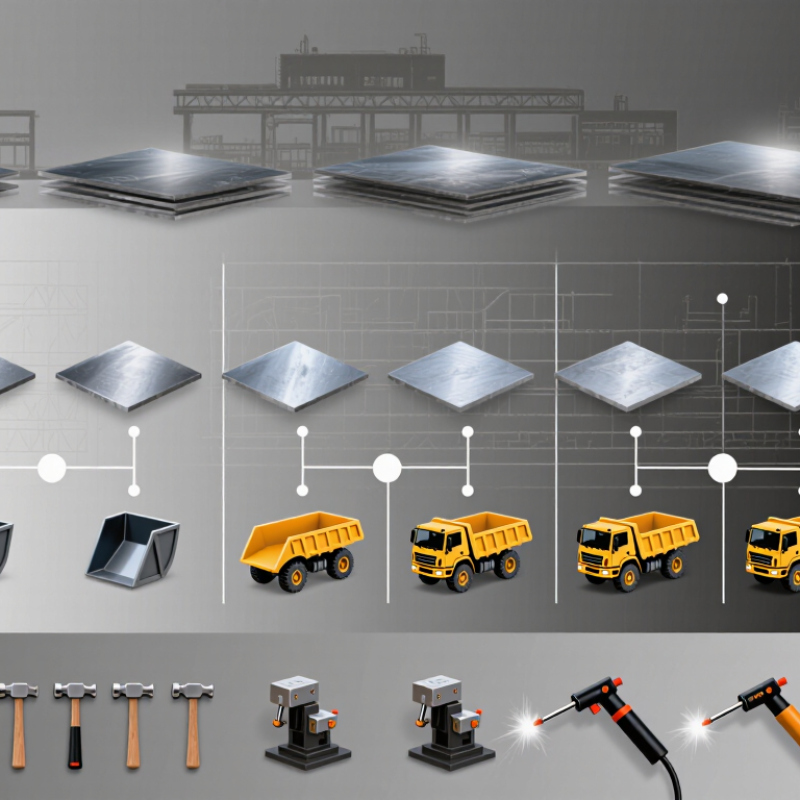
10 Best Wear Resistant Steel Grades for Global Buyers

What Wear-Resistant Steel Is and Why Global Buyers Need It

Wear-resistant steel is engineered to withstand repeated abrasion, impact, or sliding contact. It is commonly produced through controlled heat treatment, which increases hardness without making the plate completely unusable. Common grades include AR400, AR450, and AR500, but the number alone does not define performance. Chemical composition, plate thickness, toughness, and manufacturing quality also matter.

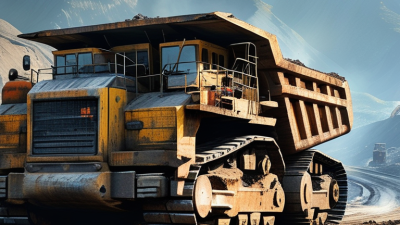
Global buyers use these steels in mining buckets, conveyors, crushers, agricultural equipment, and construction bodies. Picture a haul truck carrying sharp rock every hour. Ordinary structural steel may develop grooves quickly, while a suitable wear plate can extend service life and reduce replacement work. Less downtime matters across borders, where spare parts and skilled labor may take weeks to arrange. Cutting and welding requirements should be checked early. A very hard plate can demand controlled preheating and qualified procedures.

Harder is not always better. That assumption needs review. AR500 may resist severe abrasion, yet it can be less forgiving under heavy impact than a tougher, lower-hardness grade. Buyers should match the steel to the actual wear pattern, operating temperature, load, and repair method. Ask for mill test certificates, hardness results, dimensional tolerances, and impact data when relevant. Standards can vary between countries, and translated documents may hide small but costly differences. I have seen specifications focus heavily on hardness while ignoring weldability. That is an avoidable mistake. A reliable purchasing decision compares verified data with field conditions, not just a grade name.
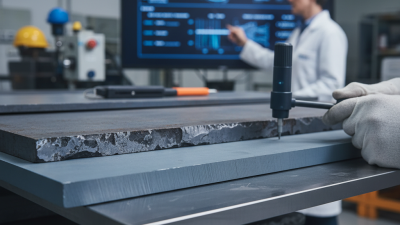
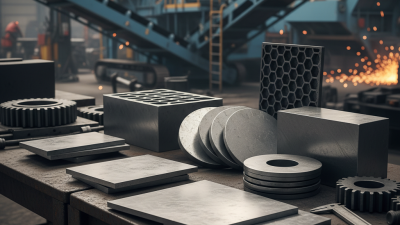
How Wear-Resistant Steel Grades Are Classified and Compared

10 Best Wear Resistant Steel Grades for Global Buyers

Wear-resistant steel is usually classified by hardness, not by one universal global grade system. Common designations include AR400, AR450, AR500, and AR600, where the number broadly indicates nominal Brinell hardness. However, “400” is not always identical across suppliers. Test methods, plate thickness, and sampling locations can change results.

TESTING & PERFORMANCE ASTM E10 and ISO 6506-1 define Brinell hardness testing procedures. Buyers should also compare yield strength, tensile strength, impact toughness, carbon equivalent, and weldability. A 500 HBW plate may resist abrasion better than a 400 HBW plate, but it can be harder to form and weld. Hardness alone is incomplete.

Thickness matters greatly. A 12-millimeter plate may cool differently from a 60-millimeter plate, creating different internal properties. Ask for heat-treatment details, hardness maps, and inspection certificates. The World Steel Association reported 1,882.6 million tonnes of global crude steel production in 2024. That scale shows why consistent comparison matters, although it does not measure wear-plate demand. Classification remains imperfect. Actual service conditions, such as impact, sliding abrasion, moisture, and temperature, can overturn a laboratory ranking.

Ten Leading Wear-Resistant Steel Grades for International Applications

International buyers often compare ten leading wear-resistant steel grades: AR400, AR450, AR500, AR550, AR600, NM400, NM450, NM500, 13Mn, and 18Mn. AR grades are commonly selected for liners, chutes, dump bodies, and buckets. NM grades are widely used in mining and material-handling equipment. Their nominal hardness helps resist sliding abrasion, but hardness alone does not decide service life.

Manganese grades such as 13Mn and 18Mn can perform well under heavy impact. They may harden during operation, especially beneath repeated contact. AR600 can resist severe abrasion, yet it usually requires greater care during cutting and forming. In field projects, I have found that plate thickness, impact energy, weld design, and moisture often change the best choice. A harder plate is not always the better plate. That point deserves more attention.

Tips: Confirm hardness ranges, impact requirements, and delivery certificates before purchase. Ask for test results from the actual heat, not only a general datasheet. Check cutting procedures and preheating guidance with the fabricator. Regional standards can use similar names with different chemistry limits, so compare the full specification carefully. Allow for tolerances. They matter during installation.

10 Best Wear Resistant Steel Grades for Global Buyers - Ten Leading Wear-Resistant Steel Grades for International Applications

Comparison of commonly traded abrasion-resistant steel grades and hardness classes for mining, construction, recycling, transport, and heavy industrial equipment.

Grade / Classification Typical Hardness Primary Metallurgical Type Typical Applications Main Advantages Fabrication Considerations Common Testing or Reference
AR200 Approx. 180–240 HBW Low- to medium-alloy wear-resistant steel; usually normalized or quenched and tempered. Light-duty chutes, conveyor components, agricultural machinery, liners, and general structural wear parts. Good balance of formability, weldability, and moderate abrasion resistance. Generally easier to cut, drill, bend, and weld than higher-hardness grades; welding procedures should still control heat input. Market hardness classification; hardness commonly verified to EN ISO 6506-1 or ASTM E10.
AR235 Approx. 210–270 HBW Quenched-and-tempered low-alloy abrasion-resistant plate. Truck bodies, dump boxes, hoppers, feeders, earthmoving attachments, and material-handling structures. Useful combination of impact resistance, moderate wear life, and practical fabrication. Preheating may be required depending on thickness, carbon equivalent, ambient temperature, and welding consumables. Market classification; confirm chemical composition and mechanical properties on the mill certificate.
AR300 Approx. 270–330 HBW Quenched-and-tempered martensitic or martensite-rich alloy steel. Crusher liners, buckets, chutes, screens, conveyor transfer points, and bulk-material equipment. Higher abrasion resistance than lower-hardness structural grades while retaining useful impact toughness. Use controlled drilling and cutting practices; avoid uncontrolled thermal cycles that can reduce hardness locally. Market classification; hardness testing is typically performed using Brinell methods.
AR360 Approx. 330–390 HBW Quenched-and-tempered martensitic wear-resistant plate. Mining liners, quarry equipment, screens, chutes, loader parts, and abrasion-prone structural components. Good intermediate wear performance with better fabrication characteristics than very high-hardness grades. Welding requires a qualified procedure; interpass temperature and hydrogen control are important. Market classification; exact limits vary by producer and applicable purchase specification.
AR400 Approx. 360–440 HBW Quenched-and-tempered martensitic alloy steel. Mining and quarry liners, dump bodies, excavator buckets, wear plates, conveyors, and recycling equipment. Widely used general-purpose wear grade offering a strong balance of hardness, toughness, and cost. Cold forming and welding require attention to plate thickness, carbon equivalent, bend radius, and preheat. Market designation rather than one universal international standard; verify the contractual grade specification.
AR450 Approx. 410–490 HBW Quenched-and-tempered high-hardness martensitic steel. Heavy-duty chutes, crusher components, mining buckets, truck liners, screens, and high-abrasion sliding surfaces. Longer wear life than AR400 in severe sliding-abrasion conditions. More demanding bending, machining, drilling, and welding requirements; use suitable carbide tooling where appropriate. Market hardness class; use EN ISO 6506-1 or ASTM E10 for Brinell hardness verification.
AR500 Approx. 470–530 HBW High-hardness quenched-and-tempered martensitic alloy steel. Severe-duty mining liners, impact plates, rock-processing equipment, wear strips, and ballistic or target applications where specified. Excellent resistance to sliding abrasion and material loss in severe service. Limited cold formability; drilling, cutting, and welding require specialized procedures and strict thermal control. Market classification; do not assume equivalence between suppliers without comparing chemistry, hardness, toughness, and thickness limits.
AR550 Approx. 520–580 HBW Very high-hardness quenched-and-tempered martensitic steel. Extreme-abrasion liners, pulverizers, mining screens, transfer chutes, and replaceable wear components. Very high resistance to sliding abrasion and extended service life in carefully selected applications. Forming and machining are difficult; welding should be minimized where possible and performed only to a qualified procedure. Market hardness class; confirm minimum impact toughness and through-thickness properties where relevant.
AR600 Approx. 550–650 HBW Ultra-high-hardness martensitic wear-resistant steel. Replaceable liners, highly abrasive mineral-handling equipment, wear bars, and specialized industrial components. Maximum abrasion resistance among commonly traded martensitic plate classes. Usually selected for simple shapes or replaceable parts; cold forming, drilling, and welding can be highly restrictive. Market classification; validate suitability through the supplier’s certified data and application-specific testing.
ASTM A128 Grade A
(Hadfield Steel)
Typically about 170–230 HBW initially; hardens substantially in service High-manganese austenitic steel, nominally containing about 10–14% manganese depending on grade and specification. Jaw crusher plates, railway crossings, impact hammers, rock-processing parts, and components exposed to severe impact and work hardening. Excellent impact toughness and work-hardening capacity under repeated impact or high-stress abrasion. Machining is difficult after work hardening; welding requires low-hydrogen practice and strict heat-input control. ASTM A128; chemical composition and heat-treatment requirements must be checked against the ordered grade.

Buyer note: AR200–AR600 are widely used commercial hardness classifications rather than single globally harmonized steel standards. Actual hardness ranges, chemistry, impact toughness, plate thickness limits, weldability, and delivery condition vary by specification and producer. Buyers should request a mill test certificate and confirm the applicable standard before ordering.

How to Match Steel Grade Selection with Operating Conditions

10 Best Wear Resistant Steel Grades for Global Buyers

How to Match Steel Grade Selection with Operating Conditions

Choosing wear resistant steel begins with the jobsite, not the product table. Common market grades include AR200, AR235, AR300, AR350, AR400, AR450, AR500, AR550, AR600, and 500 HB-class quenched steel. Their labels can vary between countries and mills. Always verify hardness ranges, thickness limits, and test certificates before ordering.

For sliding sand or mineral abrasion, AR400 to AR500 often provides a practical balance between service life, cost, and fabrication. Higher hardness can reduce wear, but it may increase cracking risk during cutting or welding. Impact changes everything. Buckets handling large rocks may need stronger toughness rather than maximum hardness. Low-temperature equipment also deserves Charpy impact data, especially in exposed outdoor applications.

Corrosion creates another decision point. A hard plate may still require coating, drainage, or a corrosion-resistant design. Check actual plate thickness, because hardness and toughness can change through the section. Use qualified welding procedures, controlled preheating, and low-hydrogen consumables where required. Do not guess.

Field inspections often reveal mismatched selections. A conveyor liner may fail from impact, while its specification focused only on sliding abrasion. Engineers should compare feed size, impact energy, temperature, moisture, operating hours, and replacement access. I have found that a slightly softer grade can perform better when it welds reliably and absorbs repeated shocks. Final selection should combine laboratory data, mill certification, and measured site wear.

What Global Buyers Should Check Before Purchasing Wear-Resistant Steel

Global buyers should not choose wear-resistant steel by grade number alone. The right plate depends on impact, sliding abrasion, load, temperature, and thickness. AR360 or AR400 may suit chutes and dump bodies with moderate wear. AR450 and AR500 can extend service life in quarry liners and conveyor components. Higher hardness is not always better. It may reduce toughness and complicate fabrication.

Check the actual hardness range, chemical composition, and impact test results. Ask for a heat-numbered mill certificate with traceability. The certificate should match the plate markings and purchase specification. A hardness reading taken at one point can mislead. Request several test locations, especially on thick plates. Confirm the applicable standard, dimensional tolerances, flatness, and ultrasonic testing requirements. Third-party inspection can add useful control, but it cannot replace a clear contract.

Welding and cutting deserve equal attention. Ask for the recommended preheating temperature, consumable type, and maximum heat input. Some high-hardness grades require slower cutting or controlled cooling. Ignoring these details can create edge cracks before the plate reaches service. Consider the working environment too. Moisture, low temperatures, and repeated impact may change the best choice. Shipping documents should state plate dimensions, weight, packaging, and delivery terms. A practical review should compare purchase price with expected replacement intervals. I would also question any supplier promising unusually high hardness without explaining toughness, testing, and production variation.