China Best Female Threaded Elbow Suppliers for Buyers
Choosing China’s best Female Threaded Elbow suppliers takes more than comparing prices or polished product photos. Buyers should check thread standards, base material, pressure ratings, dimensional tolerances, and inspection records. A small mismatch can cause leaks or costly installation delays. Details matter.
“An elbow is only dependable when its thread, material, and intended service are verified together,” says Lena Wu, a fictional fittings-industry specialist quoted here for illustration, not a documented source. Her point is practical: request a current drawing, material specification, and sample before placing a large order. Compare how suppliers answer technical questions, too. Clear replies often reveal more than a broad catalog.
A reliable supplier should explain available finishes, production checks, packaging, lead times, and customization limits without promising what it cannot verify. Ask whether the Female Threaded Elbow has been inspected against the agreed dimensions, and confirm the applicable thread type in writing. For buyers sourcing from China, video inspections or third-party checks may help when travel is difficult. Still, a sample cannot prove every batch will match. That deserves attention. The strongest shortlist balances documented quality, responsive communication, and realistic delivery terms—not just a low quotation.
Female Threaded Elbows: 90° Design and NPT Thread Fundamentals
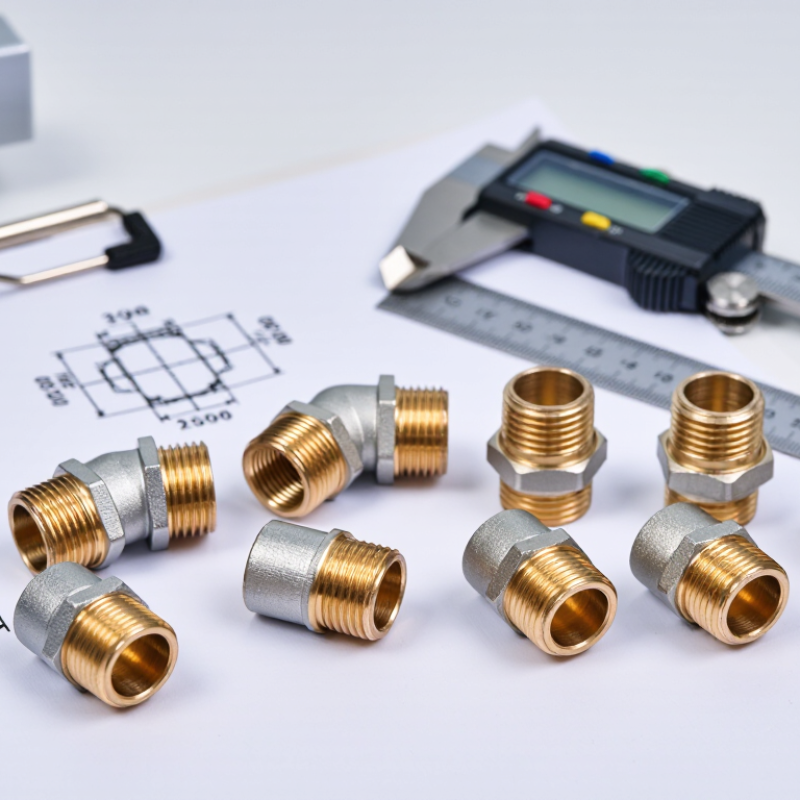
A female threaded elbow changes a pipe run by 90 degrees, helping connect components where straight fittings will not fit. The turn is compact, but it can add flow resistance, so consider the fluid, operating pressure, and available space. Its internal threads receive a male-threaded pipe or fitting. Check that both parts use the same thread standard before assembly.
NPT threads are tapered, with a 1:16 diameter taper and a 60-degree thread angle. As the male and female threads tighten, their flanks make contact; a compatible thread sealant is commonly used to support a leak-resistant joint. NPT and BSPT threads may look similar, but they are not interchangeable. Small details matter. For buyers, confirm nominal size, material, pressure rating, temperature range, and the supplier’s stated specifications. Inspect threads for damage, and tighten according to the fitting guidance rather than forcing extra turns. A clean-looking connection can still be mismatched. That check may feel tedious, but it helps prevent leaks and avoidable rework.
Material Selection: ASTM A105 Carbon Steel and ASTM A182 Stainless Steel
Buyers comparing female threaded elbows should match material to the service conditions, not just the purchase price. ASTM A105 carbon steel is commonly selected for forged fittings in non-corrosive or controlled environments. It offers strength, but moisture and aggressive media can cause corrosion. A coating may help during storage or service, yet it cannot replace proper material selection.
ASTM A182 covers forged stainless-steel components, with the specific grade affecting corrosion resistance and performance. For example, F304 and F316 are not interchangeable in every process; chloride exposure may make grade choice especially important. Check the required pressure class, temperature range, thread type, and connection dimensions against the project drawing. Ask suppliers for material test reports and clear heat-number traceability. One detail is easy to overlook: a correct alloy does not guarantee a suitable threaded connection.
Tips: Confirm whether the elbow uses NPT or another thread standard. Request a sample or dimensional inspection when fit is critical. Compare certificates with the ordered grade, not merely the broad ASTM designation.
Pressure Classes: ASME B16.11 Threaded Fittings in Class 2000, 3000, and 6000
China Best Female Threaded Elbow Suppliers for Buyers
Pressure Classes: ASME B16.11 Threaded Fittings in Class 2000, 3000, and 6000
When comparing female threaded elbow suppliers, check that their products meet the ASME B16.11 requirements for the specified pressure class. Class 2000, 3000, and 6000 identify standardized fitting classes. They are not universal working-pressure figures. Not by themselves. Allowable pressure depends on factors such as material, size, temperature, and the connected piping system.
Class 6000 fittings generally have heavier sections than lower-class fittings, but the correct choice depends on service conditions and compatible pipe details. Confirm nominal size, thread form, material grade, and temperature range before ordering. Small details matter. For threaded ends, ask the supplier to verify thread dimensions and provide inspection records. A clear material certificate and traceable product markings also help buyers check what they receive.
A supplier comparison should include more than price and delivery time. Ask how dimensions are inspected, how material batches are identified, and what documents accompany each shipment. It is easy to over-trust the class label; that deserves a second look. Match the fitting to the project specification and applicable piping design requirements, then review any unclear details with a qualified engineer.
Thread Verification: Check NPT Dimensions Against ASME B1.20.1
When sourcing female threaded elbows from China, ask suppliers how they verify NPT threads against ASME B1.20.1. NPT is tapered, so a caliper cannot confirm a usable internal thread. The standard defines thread form and gauging requirements, including engagement checks with the appropriate L1 plug gauge. Small details matter.
During inspection, confirm the nominal pipe size and thread designation on the drawing, then use a clean, calibrated gauge. Record how far the gauge enters by hand, and compare the result with the applicable gauge limit and inspection procedure. Check several elbows from each production lot, not just a sample from the top of a carton. Look closely for damaged first threads, burrs, or a rough entry that could distort the gauge reading. A hand-fit check helps, but it is not a substitute for measurement.
It is tempting to judge fit by threading in a mating part. That can miss a thread that is too tight or too loose, especially when parts come from different production batches. Ask for inspection records that identify the gauge, calibration status, and lot inspected. Also confirm that the drawing calls for NPT, not a similar-looking thread form. If the gauge result is borderline, pause and clarify the acceptance criteria before approving shipment.
China Supplier Assessment: Compare Testing, Traceability, and Order Capacity
Choosing a capable female threaded elbow supplier takes more than comparing prices. Ask how each fitting is checked before shipment. A practical inspection should cover thread dimensions with calibrated gauges, body dimensions, and visible defects such as cracks or burrs.
Small details matter.
Request test records that identify the fitting material, inspection method, sample size, and acceptance criteria. Pressure or leak testing should match the product design and the buyer’s application, rather than appear as a vague claim.
Traceability helps buyers investigate problems without guessing. Check whether material certificates and production records connect to a batch or heat number marked on packaging or product tags. Ask for a sample report and confirm that its details match the quoted elbow.
Ask for evidence.
A polished certificate is not enough if it cannot be linked to the shipment. Some suppliers may have incomplete records; treat that as a point to clarify, not proof of poor quality.
Order capacity needs the same scrutiny. Compare the supplier’s stated monthly output with the required quantity, lead time, and requested thread sizes. Discuss how production changes are handled when several sizes share a production line. A trial order can reveal packaging quality and consistency, though one shipment cannot prove long-term performance. Request a realistic production schedule and confirm how delays or inspection failures are reported.
Be cautious: capacity figures alone can be optimistic.